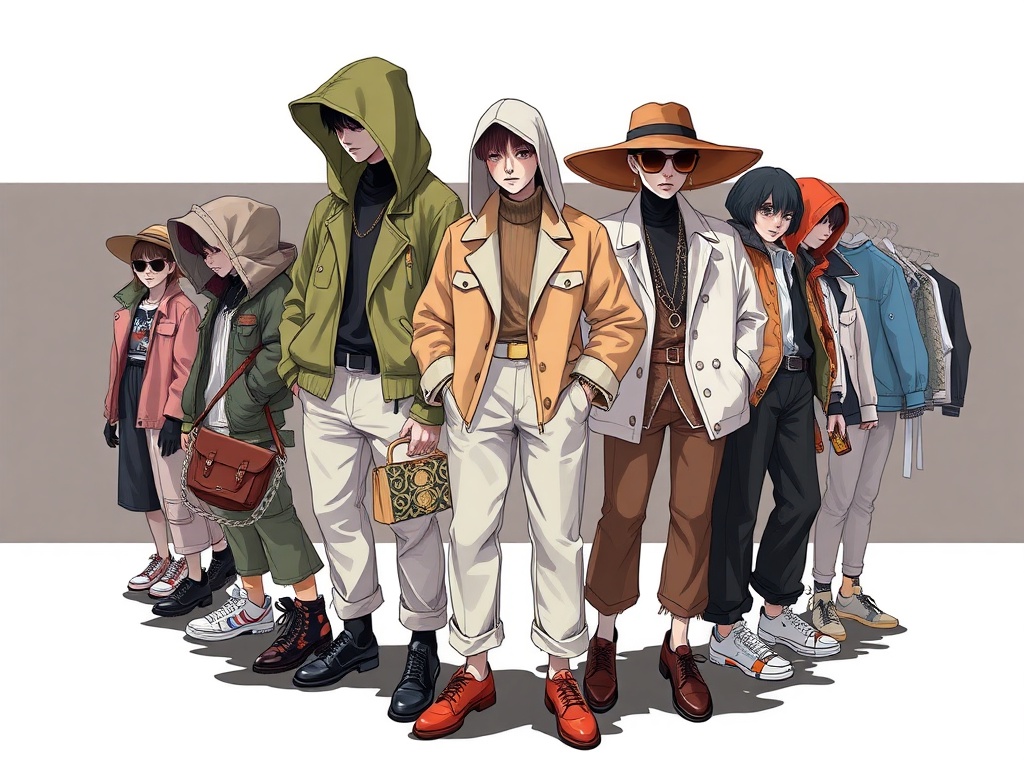
1) How Curated Fashion Collections Are Redefining Wardrobe Discovery
Curated fashion collections are reshaping how people discover, buy, and build wardrobes. By blending editorial vision with data-driven selection, these collections simplify choices, spotlight craftsmanship, and create a more intentional shopping experience. Whether curated by stylists, influencers, or brands, well-executed collections turn overwhelming catalogs into cohesive, wearable edits.
Why curated collections matter
– Save time: Shoppers get a focused edit instead of scrolling through thousands of SKUs.
– Improve discovery: Emerging designers, niche categories, and on-trend pieces gain visibility.
– Increase conversion: Curated assortments that tell a story convert browsers into buyers more effectively than generic lists.
– Promote sustainability: Thoughtful curation encourages purchases that complement existing wardrobes, supporting longevity over fast turnover.
Types of curation that work
– Stylist-led edits: Professional stylists create complete looks or capsule wardrobes tailored to specific lifestyles—workwear, travel, weekend dressing—making outfit building effortless.
– Themed capsules: Seasonal themes, color stories, or occasion-based capsules help shoppers assemble a concise set of pieces that work together.
– Influencer or editor collections: Trusted tastemakers lend credibility and personality, turning selections into aspirational but attainable looks.
– Data-driven assortments: Brands use browsing and purchase patterns to curate personalized picks, increasing relevance without losing the human feel.
How shoppers can get the most from curated collections
– Look for cohesion: A strong edit will have a clear theme and interchangeable pieces so you can mix-and-match.
– Check materials and construction: Curation should highlight quality—read fabric details and care instructions to assess longevity.
– Prioritize fit information: Size guides, model measurements, and customer reviews help avoid returns and disappointment.
– Use filters and personalization tools: Many retailers pair curation with preference settings—gender-neutral options, body type filters, or style quizzes—that refine recommendations.
– Try subscription or rental options: If commitment feels risky, explore curated subscription boxes or rental platforms that let you test a style before buying.
What brands should prioritize
– Tell a compelling story: Each collection should communicate purpose—why these pieces belong together and who they’re for.
– Be transparent about sourcing: Notes on sustainable fabrics, ethical manufacturers, or local production strengthen trust.
– Offer cross-selling guidance: “Shop the look” pages, curated bundles, and suggested add-ons increase cart value and help customers complete outfits.
– Make size inclusivity standard: A curated collection is only useful if it accommodates a wide range of bodies; inclusive size ranges and fit notes are essential.
– Invest in immersive tools: Visual search, detailed imagery, and virtual try-on experiences enhance confidence and reduce returns.
Future-facing opportunities
Curated fashion collections will continue to evolve as personalization technologies and creative storytelling converge.
Expect deeper customization, richer digital showrooms, and more collaborative edits between brands and communities. The best collections won’t just sell items—they’ll inspire more mindful wardrobes, reduce impulse buys, and help shoppers build looks that last.
Curated collections are more than a merchandising tactic; they’re a strategy for better shopping. When done well, curation elevates product discovery, supports sustainable choices, and creates memorable brand moments that keep customers coming back.