1. How to Create a Memorable Fashion Retail Experience: Omnichannel, Personalization & Tech
Fashion retail has moved beyond simple transactions: the modern customer expects a curated experience that blends discovery, convenience, and emotional connection. A memorable fashion retail experience turns browsers into loyal customers and drives higher lifetime value. Retailers that design seamless, sensory-rich experiences across channels win attention and sales.
What defines a compelling fashion retail experience
– Omnichannel consistency: Shoppers move between mobile, web, and physical stores. Brand voice, pricing, inventory visibility, and returns policy should feel unified across every touchpoint.
– Personalization: Use customer data to tailor product recommendations, emails, and in-store interactions.
Personalized styling suggestions, size guidance, and targeted promotions improve conversion and reduce returns.
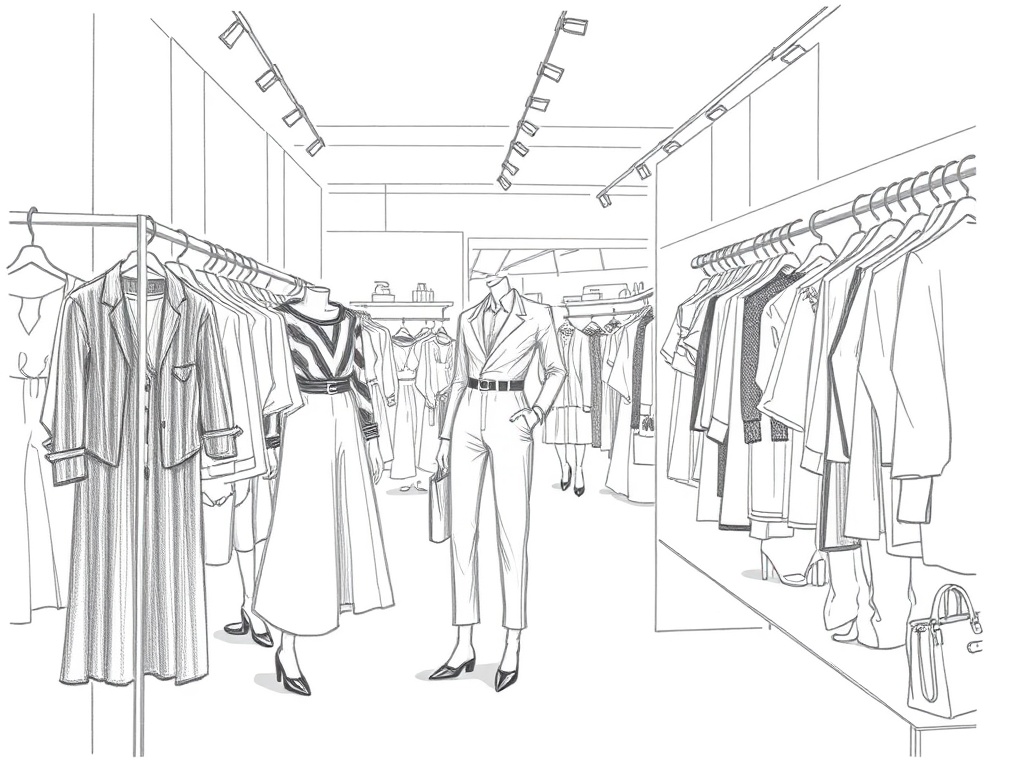
– Store atmosphere and visual merchandising: Lighting, layout, music, and curated displays shape perception. Rotating vignettes and storytelling mannequins guide discovery and highlight newness without overwhelming the customer.
– Technology that enhances—not distracts: Augmented reality fitting rooms, smart mirrors, mobile checkout, and QR-linked product information remove friction while keeping the experience tactile and fun.
– Human connection: Knowledgeable staff who act as stylists elevate the shopping moment.
Training that focuses on consultative selling, product storytelling, and gentle upselling creates memorable interactions.
– Responsible practices: Transparent sourcing, repair services, and clear resale or recycling programs resonate with conscious consumers and strengthen brand trust.
Tech tools that actually improve service
– Fit and size intelligence: Machine-learning fit tools and detailed size guides reduce guesswork and returns. Integrating fit feedback into product pages increases confidence for online shoppers.
– AR/VR try-ons: Virtual try-ons let customers visualize items without pressure. In-store AR can complement fitting rooms for faster decision-making.
– Mobile-first checkout and contactless payments: Fast, secure payment options minimize queue anxiety and support impulse purchases.
– Inventory visibility and click-and-collect: Real-time stock and easy in-store pickup deliver the convenience shoppers expect from omnichannel brands.
Events, community, and experiential programming
Retail spaces double as social hubs when used for styling workshops, limited drops, pop-ups with local designers, or social content moments.
These activations generate buzz, create content opportunities, and deepen emotional ties with the brand. Loyalty programs that reward attendance as well as purchases foster advocacy.
Operational essentials that support a great experience
– Seamless returns and alterations: Clear, generous return policies and in-store alteration services reduce friction and increase repeat purchase willingness.
– Data-driven merchandising: Use sales and foot-traffic analytics to optimize assortments, promotional timing, and staffing levels. Localize assortments to reflect neighborhood tastes.
– Staff empowerment: Equip employees with mobile devices for inventory lookup, clienteling, and checkout to deliver faster, more informed service.
Actionable steps for retailers
– Audit every customer touchpoint for consistency and speed.
– Start small with tech pilots—measure impact on conversion and time-to-purchase.
– Train staff on product storytelling and consultative selling.
– Launch community events tied to product drops to generate organic interest.
– Publicize sustainability initiatives and aftercare options clearly on product pages.
A compelling fashion retail experience balances sensory design, smart technology, and authentic human service. Focus on reducing friction while enriching discovery, and the store becomes not just a place to buy, but a destination worth returning to.