1. “Revolutionizing the Fashion Retail Experience: Key Trends and Strategies”
In today’s ever-evolving world, the fashion retail industry is not immune to the dynamic shifts in consumer behavior, preferences, and expectations.
With the advent of innovative technologies and a surge in online shopping, traditional brick-and-mortar fashion retailers are tasked with the challenge, and indeed the opportunity, to transform their in-store experiences to meet and surpass customer expectations.
One of the key strategies for enhancing the fashion retail experience lies in understanding the shift towards experiential shopping. Today, the value proposition for customers extends beyond the product itself.
Shoppers seek an engaging, immersive, and personalized experience that transcends the simple act of purchasing. They crave the tangible, sensory experience of physically touching and trying on clothes, paired with the convenience and personalization that technology can provide.
One transformative trend that has emerged recently is the blending of online and offline, or ‘O2O’, retail strategies.
This hybrid model allows brands to harness the best of both worlds, offering customers the convenience of online shopping, while also delivering the tactile, immersive experience of physical retail. This approach can incorporate tactics like ‘click and collect’ services, virtual fitting rooms, and in-store digital kiosks for a seamless, integrated shopping experience.
Fashion retailers are also leveraging advanced analytics to gain deeper insights into customer behavior, preferences, and shopping patterns. This data-driven approach allows for the personalization of the retail experience, from targeted marketing campaigns to tailored product recommendations.
It’s all about making the customer feel understood, valued, and catered to.
Additionally, sustainability has become a major focus in the fashion industry. Conscious consumers are increasingly seeking out brands that align with their values, and this includes sustainable practices. Retailers are responding by highlighting their commitment to ethical sourcing, sustainable materials, and fair trade practices. The retail experience is thus shifting to encompass not just the product, but the story behind it, reaffirming the brand’s commitment to social and environmental responsibility.
Furthermore, the role of sales associates in fashion retail is evolving.
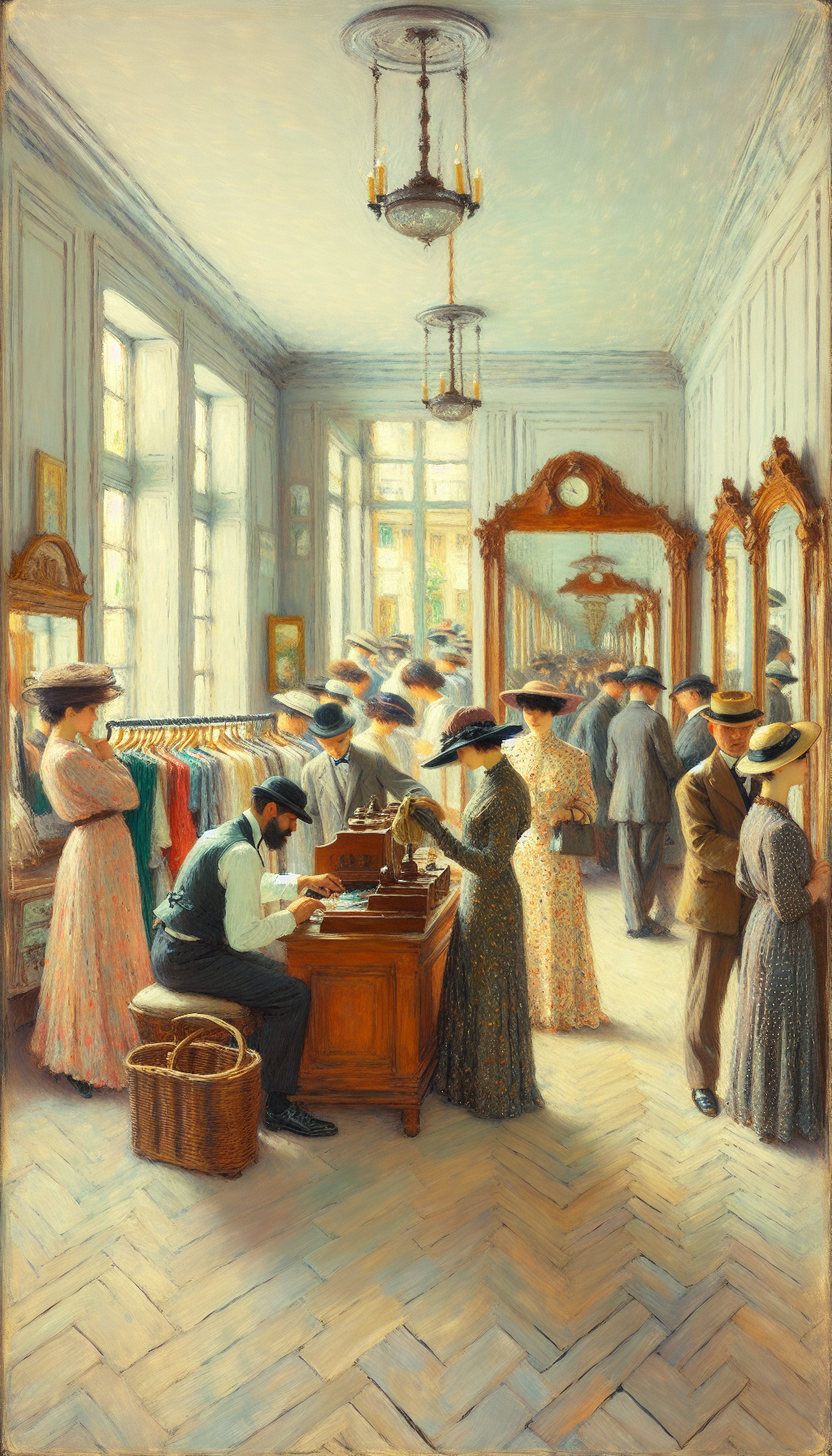
Today, they are not just there to facilitate transactions but also to act as style advisors, providing personal styling tips and product knowledge.
This move towards a more consultative selling approach enhances the overall retail experience, fostering a deeper connection between the brand and the customer.
While the rise of e-commerce presents certain challenges for conventional fashion retailers, these innovative trends present a substantial opportunity for reinvention. By prioritizing a customer-centric approach and adopting a blend of traditional and digital strategies, retailers can create a memorable, engaging, and personalized shopping experience that meets the contemporary customer’s needs.
Whether it’s embracing technology, focusing on sustainability, or offering personalized services, the fashion retail industry is currently at a pivotal point in its evolution. By adapting to these changes and leveraging the right strategies, fashion brands can transform their retail experience, ensuring they remain relevant and competitive in today’s dynamic retail landscape.