1. “The Digital Transformation of Fashion Retail: Exploring Omnichannel Retailing”
As we usher in a new era of digital innovation, the fashion retail experience continues to evolve, shaping the way we shop and interact with fashion retailers. Today, the consumer’s journey doesn’t just start and end at the physical store; it extends to the digital sphere, blending both online and offline experiences.
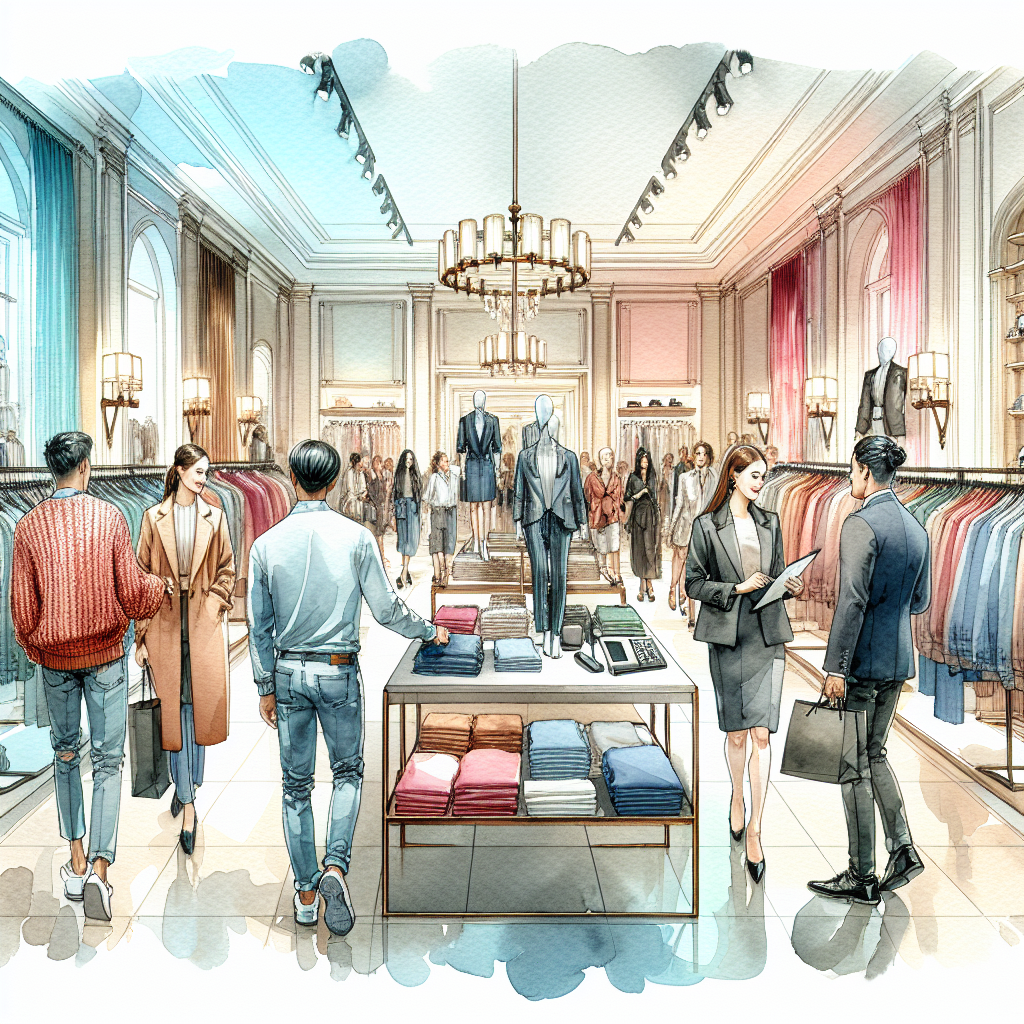
This fusion of in-store and digital shopping, known as omnichannel retailing, is currently redefining the fashion retail landscape.
When you enter a modern fashion retail store today, you can instantly feel the change. It’s not just about racks of clothes anymore; it’s about creating an immersive, experiential retail environment where shoppers are engaged, entertained, and inspired. Gone are the days when browsing was a passive activity.
Now, it’s about interactive fitting rooms, virtual reality fashion shows, and 3D body scanning technology for perfect fits.
The fitting room, once just a simple corner in the store, has now transformed into a nerve center of the shopping experience. Retailers are utilizing smart mirror technology, where customers can virtually try on different outfits without the hassle of changing clothes. Some retailers offer touch-screen mirrors that allow customers to request different sizes, styles, or even ask for fashion advice directly from the fitting room.
Moreover, augmented reality (AR) and virtual reality (VR) technologies are becoming increasingly popular in the fashion retail industry. These technologies offer customers an immersive, 360-degree view of the latest runway shows or allow them to virtually try on clothes and accessories from the comfort of their own home. This not only adds a fun, engaging element to the shopping experience but also allows customers to make more informed purchasing decisions.
Another trend shaping the fashion retail experience is personalization.
With the wealth of data available from online browsing and shopping habits, retailers are now able to personalize the shopping experience for each customer. From personalized product recommendations to AI-powered style assistants, retailers are adopting various tools to provide a more tailored and individualized shopping experience.
While the digital experience is crucial, the importance of human touch remains. The role of sales associates has evolved from being mere cashiers to becoming style advisors.
They play a crucial role in improving the customer experience, providing personalized advice, and building relationships with shoppers.
In the realm of online fashion retail, the focus is on seamless, hassle-free shopping experiences. With the advent of one-click purchases, same-day deliveries, and easy returns, online shopping has never been more convenient. Furthermore, social media platforms are also playing an increasingly important role in the fashion retail experience. Retailers are leveraging these platforms to engage with customers, showcase the latest trends, and even enable direct purchases from social media posts.
Finally, sustainability is becoming a significant focus in the fashion retail experience. Consumers today are more environmentally conscious and look for brands that align with their values. Retailers are responding to this by offering more sustainable options, from clothing made from recycled materials to initiatives for recycling old clothes.
To wrap up, the fashion retail experience is currently going through a dynamic transformation.
From technological innovations to personalized experiences, retailers are constantly looking for ways to engage and delight customers.
While the trends may continue to evolve, one thing remains clear: a memorable and satisfying retail experience is key to winning over today’s discerning fashion shoppers.