1. “The Future of Fashion: Transforming the Retail Experience with Technology and Sustainability”
Evolving the Retail Experience in Fashion
Retail is a central pillar of the fashion industry, a dynamic world continuously adapting to shifting consumer demands. Today, the fashion retail experience is undergoing a transformative evolution, powered by emerging technologies, sustainability focuses, and the changing shopping habits amid a global health crisis.
The Significance of In-Store Experience
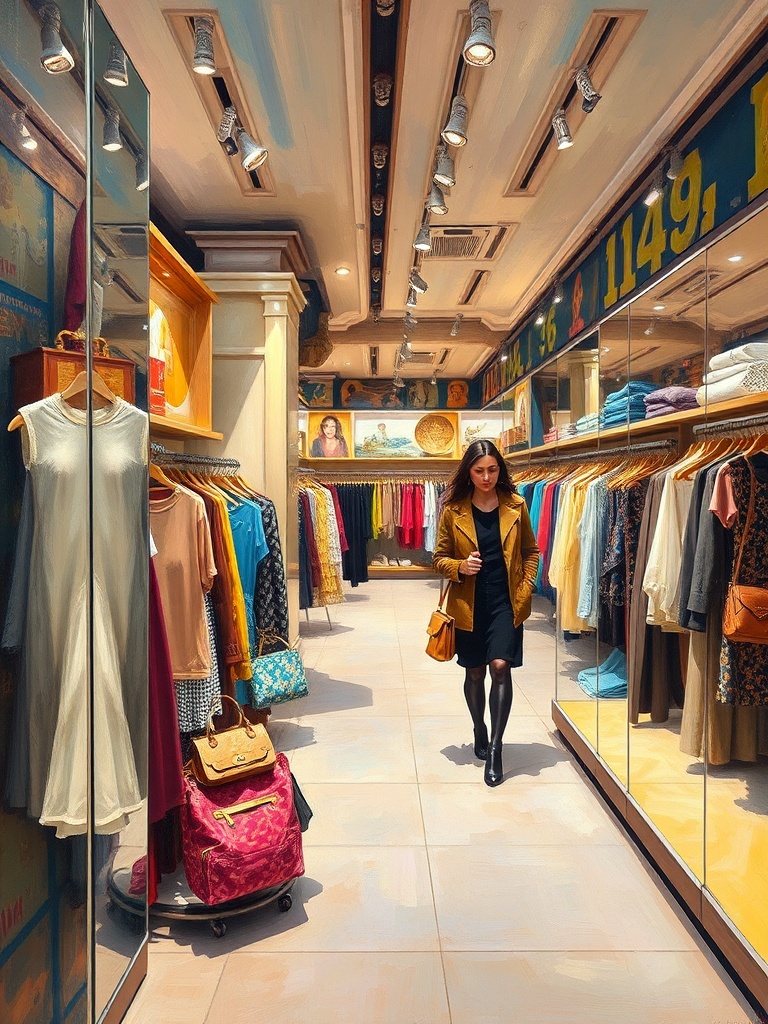
Brick-and-mortar stores are reinventing themselves to offer more than just products. They’re morphing into experience centers, places where consumers can feel, try, and engage with the brand in a tangible way that online shopping can’t offer.
Luxury fashion houses are leading the way, turning their stores into art galleries or event spaces. Customers are encouraged to lounge, interact, and absorb the culture and ethos of the brand. It’s not just about the clothes anymore; it’s about the story behind them, the lifestyle they represent, and the community that encompasses them.
Meanwhile, mainstream fashion retailers are transforming their shops into tech-infused spaces. Augmented Reality (AR) mirrors allow customers to virtually try on clothes without the hassle of changing.
Personalized recommendations are offered based on customers’ previous purchases, browsing history and social media likes.
The Rise of Omnichannel Retailing
Omnichannel retailing has recently taken center stage in the fashion industry.
This strategy seamlessly integrates the different methods of shopping available to consumers—online, in a physical store, or by phone. It allows customers to complete their shopping journey across multiple channels, delivering a consistent, streamlined experience.
For instance, a customer might browse products online, try them on in-store, and make the purchase via a mobile app. The goal is to create a unified shopping experience, allowing the customer to move fluidly between channels while retaining their progress and preferences.
Product Customization and Sustainability
As consumers increasingly value unique, personalized products, fashion retailers are offering more customization options.
From selecting fabric and color to adding monograms, customers can create one-of-a-kind pieces that truly represent their personal style.
Concurrently, sustainability is also reshaping the fashion retail experience.
Eco-conscious consumers are demanding transparency about the production process, materials used, and the environmental impact of their purchases.
Brands are responding by providing detailed product lifecycle information, selling upcycled or recycled products, and offering repair services to extend the product lifecycle.
The Convenience of Contactless Shopping
In response to the global health crisis, contactless shopping is becoming the new norm. Curbside pickups, contactless payment methods, and virtual consultations are offered to ensure a safe and convenient shopping experience. Some brands have even introduced “shop by appointment” to limit the number of customers in-store at any given time.
To sum it up, the fashion retail experience is moving beyond conventional transactions.
Brands are turning shopping into an immersive, personalized, and engaging journey. They’re leveraging technology, championing sustainability, and prioritizing safety to meet the ever-changing landscape of customer demands. The future of fashion retail will be about creating unique and memorable experiences that connect consumers with the brand’s values and community.