7 Proven Strategies to Grow Your Independent Boutique: Omnichannel, Personalization & In-Store Experiences
Boutique fashion retail thrives on differentiation: curated product assortments, memorable in-person experiences, and authentic community connections. Independent boutiques that adapt to shifting customer expectations while doubling down on their unique identity can outperform larger competitors by offering personality, expertise, and agility.
What sets successful boutiques apart
– Curation: Carefully chosen collections that reflect a clear aesthetic attract loyal customers who prefer discovery over mass-market sameness.
– Storytelling: A strong brand narrative—about sourcing, craftsmanship, or a particular lifestyle—makes products meaningful and shareable.
– Experience: Sensory merchandising, personalized service, and events turn visits into experiences that can’t be replicated online.
Practical strategies that drive growth
1.
Nail your omnichannel presence
Create a seamless flow between website, social channels, and in-store service. Ensure inventory syncs in real time so customers can see product availability, reserve items, and choose buy-online-pick-up-in-store (BOPIS) or curbside. Mobile-first checkout, clear return policies, and fast, affordable shipping keep conversions high.
2.
Optimize local and social discovery
Local search optimization (complete Google Business Profile with photos, hours, and events) helps foot traffic. Use social platforms to show behind-the-scenes product curation, styling tips, and customer features.
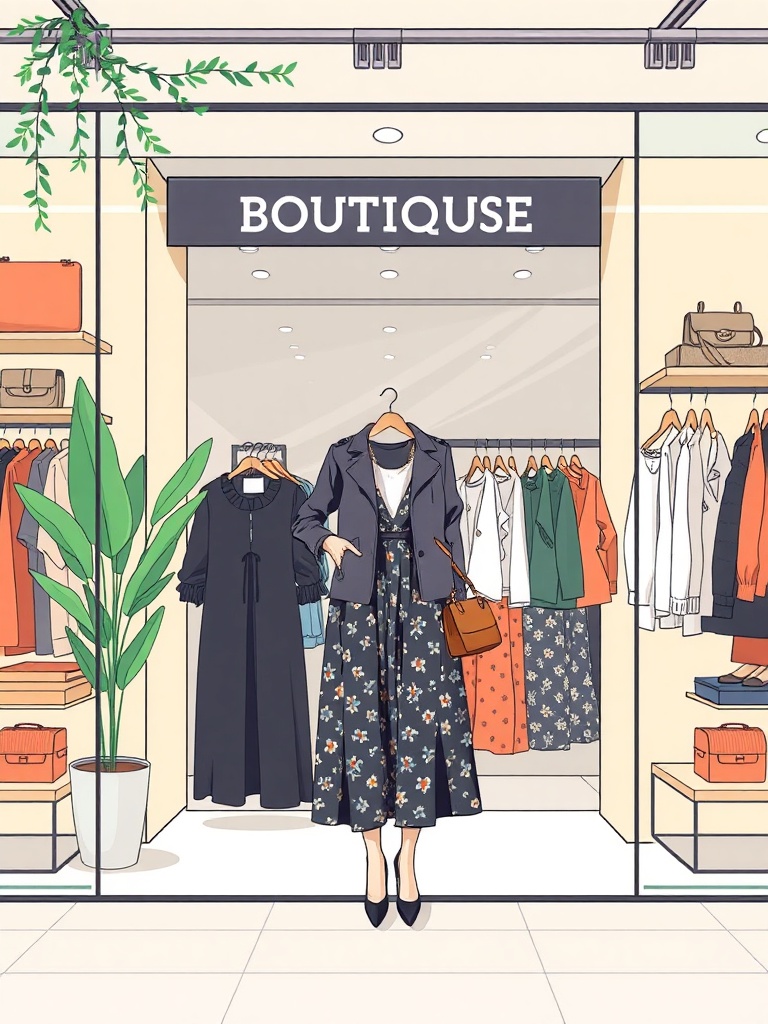
Short-form video and shoppable posts accelerate discovery—pair content with direct links to product pages to reduce friction.
3.
Make personalization standard
Collect simple preference data through loyalty programs, email sign-ups, or in-store consultations. Use that data to send tailored product recommendations, restock alerts, and birthday offers.
Personal styling appointments—virtual or in-person—boost average order value and deepen customer relationships.
4. Create memorable in-store moments
Host trunk shows, styling nights, mini-workshops, and collaborations with local creatives. Pop-ups and capsule collaborations generate urgency and reach new audiences without long-term inventory risk. Invest in tactile elements—unique fittings, mirror lighting, scent, and music—to make the boutique a destination.
5. Embrace sustainability and transparency
Customers increasingly value responsible sourcing and transparent supply chains.
Highlight materials, production methods, and care instructions on labels and online. Consider take-back programs, repair services, or partnerships with resale platforms to extend a garment’s lifecycle and attract eco-conscious shoppers.
6.
Lean into data without losing soul
Track metrics that matter: conversion rate, foot traffic, average order value, and customer lifetime value. Use simple analytics to inform buying and promotions while keeping your curated identity intact. Small tests—like limited time offers or different merchandising layouts—provide quick insights without huge risk.
7. Diversify revenue streams
Offer private shopping, subscription boxes, rental or borrowing options, and gift cards. Wholesale partnerships with complementary local businesses (cafés, salons) or marketplaces can expand reach. Seasonal adjustments—leaner inventory with high-margin staples paired with a rotating set of statement pieces—help manage cash flow.
Customer retention and community
Retention often outperforms acquisition in ROI. Build a loyalty program that rewards repeat visits and referrals.
Feature customers in content, host intimate community events, and support local causes to deepen ties.
Word-of-mouth generated by authentic experiences is a boutique’s most powerful engine.
Final thought
Boutique fashion retail succeeds when strategy and soul align: smart operations and marketing support a clear, compelling brand that customers want to return to and share. Focus on curated discovery, excellent service, and community-building to create a boutique that feels indispensable rather than optional.