Boutique Fashion Growth: Curated Experience, Community & Smart Tech
Boutique Fashion Retail: How Curated Experience, Community, and Smart Tech Drive Growth
Boutique fashion retail thrives on differentiation. Small-footprint stores that offer a distinct voice, carefully curated inventory, and memorable experiences can outmaneuver larger chains by delivering authenticity and stronger customer relationships. The boutiques that perform best combine tactile in-store moments with digital convenience, sustainability credentials, and local community ties.
Curated inventory and storytelling
Customers visit boutiques for discovery. Prioritize a tightly edited selection that reflects a clear aesthetic—whether contemporary minimalism, vintage-forward, or artisanal luxury. Each product should tell a story: who made it, what materials were used, and how it fits into a customer’s lifestyle. Product pages and on-site signage that communicate provenance and styling ideas increase perceived value and reduce friction at purchase.
Create memorable in-store experiences
Physical stores must offer something the web can’t replicate. Consider:
– Intimate fitting experiences, personalized styling sessions, or appointment shopping
– Rotating displays and seasonal installations that invite social sharing
– In-store events like trunk shows, maker meet-and-greets, or styling workshops
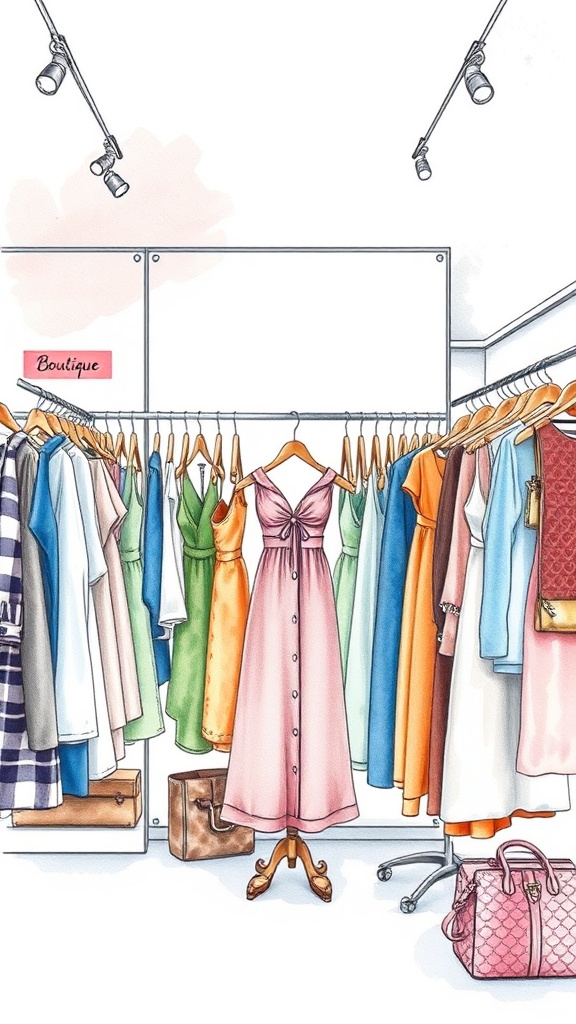
These experiences build loyalty and generate user-generated content that fuels social channels.
Omnichannel presence, not just online
An effective omnichannel strategy ensures customers move seamlessly between discovery, research, and purchase:
– Offer buy-online-pickup-in-store (BOPIS) and local delivery for convenience
– Sync inventory across channels to avoid disappointment and missed sales
– Use shoppable social posts, short-form video, and email flows to drive product discovery and conversions
Leverage data without overcomplicating
Boutiques don’t need enterprise systems to be data-driven. Useful signals include repeat purchase rates, best-selling SKUs, and average order value.
Use simple analytics to:
– Identify high-margin items and expand complementary assortments
– Segment customers for targeted email campaigns (new customers, VIPs, re-engagers)
– Time limited-edition drops or restocks around demand patterns
Sustainability and conscious curation
Many shoppers are prioritizing ethical production and transparency. Position sustainable pieces clearly—highlight responsible materials, small-batch production, and take-back or repair programs.
Partnerships with local makers and transparent pricing narratives resonate with values-driven consumers and justify premium pricing.
Community-first marketing
Boutiques succeed when they become local cultural hubs. Tactics that build community:
– Host collaborations with nearby businesses (cafés, galleries) to cross-promote
– Feature local influencers and micro-creators in campaigns
– Run loyalty programs that reward referrals and repeat visits
Local SEO is crucial—ensure your store’s profile, hours, and photos are accurate to capture foot traffic.
Operational efficiency matters
A small team should focus on tools that save time: a modern point-of-sale that integrates inventory, simple accounting, and social commerce that links product pages to shoppable posts. Streamline supplier relationships to shorten lead times and reduce dead stock.
Final thought
Boutique fashion retail wins by leaning into curation, connection, and convenience. When a store offers a distinct aesthetic, effortless shopping across channels, and genuine local engagement, it creates a sticky customer experience that bigger retailers struggle to replicate.
Small, deliberate improvements in merchandising, tech, and community programming can unlock meaningful growth and lasting brand loyalty.