Boutique Fashion Playbook: Curation, Omnichannel & Community
Boutique fashion retail thrives by offering something big-box stores can’t: a curated point of view, intimate experience, and a meaningful connection with customers.
Today’s successful boutiques blend thoughtful product curation with omnichannel convenience, sustainability practices, and community-driven marketing to create loyal shoppers and steady margins.
What shoppers want
Shoppers looking for boutique fashion expect authenticity and uniqueness. They’re drawn to carefully edited assortments that reflect a clear aesthetic—whether minimal and modern, colorful and eclectic, or heritage-inspired.
Personalization matters: attentive styling advice, in-store fittings, and tailored recommendations online create emotional value that justifies premium pricing.
Key strategies that work
– Curated assortments: Focus on a narrow, coherent mix of brands and pieces that tell a consistent story. Fewer SKUs with higher turn rates and stronger full-price sell-through protect margins and amplify brand identity.
– Omnichannel experience: Seamless transitions between the website, social channels, and the physical store increase conversions. Offer click-and-collect, accurate inventory visibility, and smooth returns to reduce friction.
– Experiential retail: Use the store as a stage—host trunk shows, styling nights, workshops, and collaborations with local creators. Events drive foot traffic, create content opportunities, and strengthen community bonds.
– Sustainability and transparency: Today’s consumers value ethical sourcing and circular options. Consider stocking brands with transparent supply chains, offering repair services, or partnering with resale platforms to extend product life cycles.
– Data-informed merchandising: Track sell-through, traffic patterns, and customer preferences. Small-batch buying followed by rapid reorders based on demand reduces markdowns and keeps inventory fresh.
Digital-first visibility
Strong SEO, local search optimization, and an engaging social presence are essential.
Optimize product pages with descriptive copy that includes fabric details, fit notes, and styling ideas. Use local keywords to capture nearby shoppers looking for boutique experiences. Email and SMS programs keep loyal customers informed about drops, restocks, and events—tailored messaging increases repeat visits.
Visual merchandising and ambiance
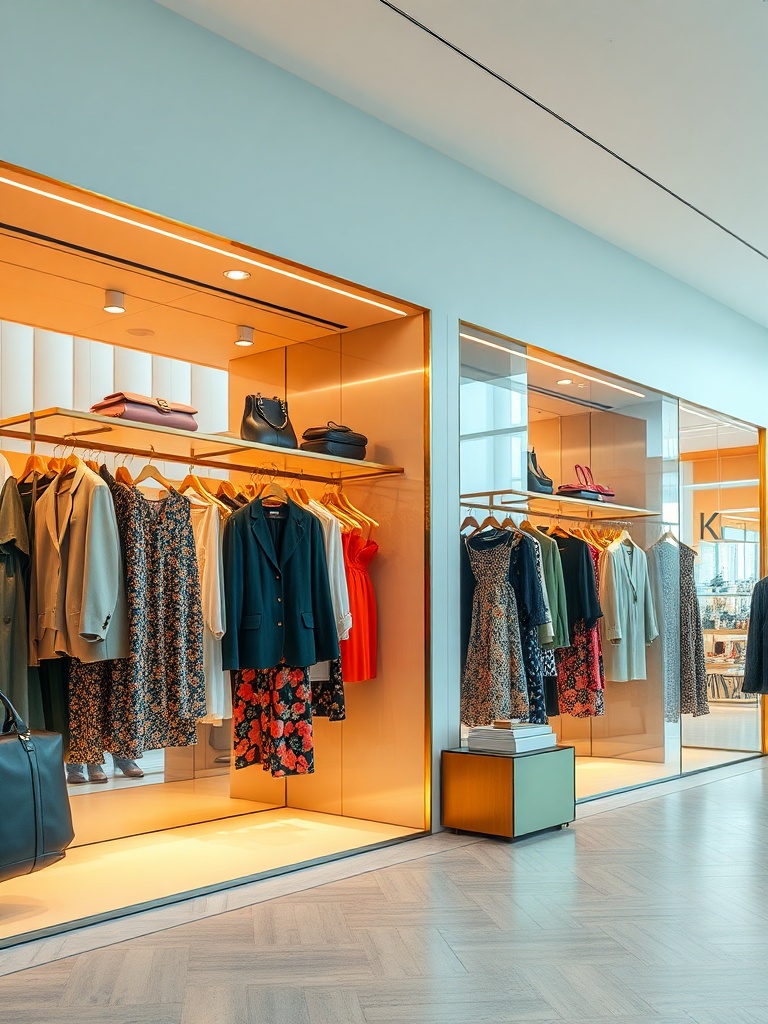
In a boutique, presentation is part of the product.
Thoughtful lighting, tactile displays, and curated music set the tone. Rotate vignettes regularly to showcase new arrivals and create a sense of discovery. Staff should be trained to tell the stories behind products—artisan backgrounds, fabric origins, or the inspiration for a collection—because storytelling drives perceived value.
Community and partnerships
Forming partnerships with local influencers, artists, and complementary businesses amplifies reach without heavy ad spend. Pop-up collaborations with cafes, florists, or jewelry designers introduce your boutique to new audiences and generate cross-promotion opportunities. Loyalty programs that reward frequent shoppers with early access or styling sessions foster retention.
Operational essentials
Maintain tight inventory control and clear vendor communication to avoid overstock. Streamline receiving, tagging, and merchandising processes to move new product to the sales floor quickly.
Implement flexible pricing strategies—bundle offers, pre-order options, and limited-time exclusives—to manage cash flow and excitement.
Quick checklist for boutique owners
– Define and document your brand aesthetic.
– Keep assortments tight and replenish based on data.
– Optimize Google Business Profile and local listings.
– Offer seamless click-and-collect and clear return policies.
– Host regular events to build community and content.
– Add repair, alteration, or resale options to support circularity.
Boutique fashion retail remains a powerful format because it combines curation, community, and experience. By balancing a strong point of view with efficient operations and modern customer convenience, boutiques can attract discerning shoppers and sustain profitable growth.