Boutique Fashion Retail: 7 Proven Strategies for Curated Assortments, Omnichannel Sales & Sustainable Growth
Boutique fashion retail is thriving on a blend of curated creativity and hyper-personalized service. Small-format stores can outmaneuver larger chains by leaning into unique product assortments, memorable in-store experiences, and seamless connections between online and offline touchpoints. Today’s shoppers expect convenience without losing the discovery and authenticity that define boutique shopping.
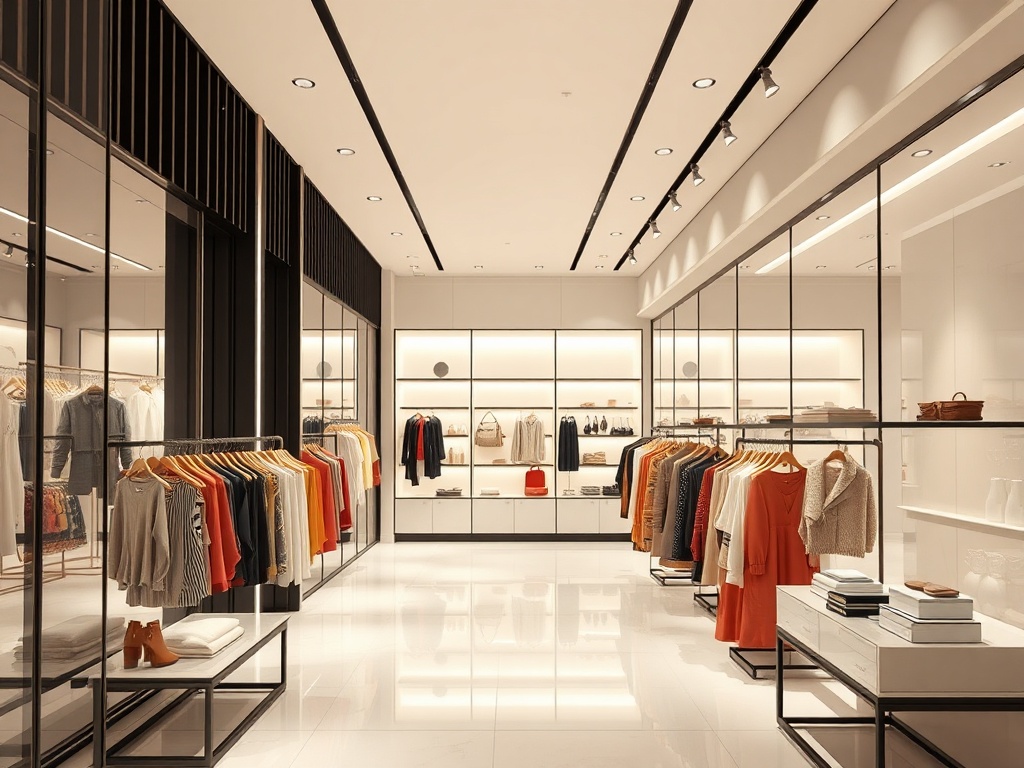
Key trends shaping boutique fashion retail
– Curated collections: Shoppers come to boutiques for distinctive pieces they won’t find in mass-market stores. Carefully edited assortments that tell a clear style story increase conversions and strengthen brand identity.
– Omnichannel integration: Buyers move fluidly between social feeds, mobile stores, and physical locations. Successful boutiques sync inventory, pricing, and promotions across channels to avoid disappointment and simplify purchases.
– Sustainable and circular offerings: Demand for eco-friendly materials, transparent sourcing, and resale or repair options is rising. Offering pre-owned, made-to-order, or recyclable packaging enhances credibility and attracts conscious consumers.
– Experience-driven retail: Events, styling appointments, and in-store community moments turn browsing into loyalty-building experiences. Physical visits are about discovery and social interaction as much as buying.
– Social commerce and creator partnerships: Short-form video, shoppable posts, and collaborations with micro-influencers drive traffic and lend authentic storytelling to product launches.
Practical strategies for boutique success
1. Optimize local and social discovery
Ensure your store appears in local searches and map listings with up-to-date hours, contact details, and inventory highlights. Use social platforms to showcase real outfits, behind-the-scenes sourcing, and customer stories.
Short video and high-quality lifestyle photography convert awareness into foot traffic and online sales.
2.
Make personalization a priority
Capture customer preferences through simple quizzes, appointment bookings, or post-purchase surveys. Use that data to deliver tailored recommendations, exclusive early access, or personalized discounts. A thoughtful follow-up—like a curated edit sent after a styling session—keeps customers engaged.
3. Elevate the in-store experience
Design spaces that encourage lingering: comfortable seating, well-lit dressing rooms, and tactile displays. Host intimate events—trunk shows, capsule launches, styling workshops—that reinforce your brand’s aesthetic and build community.
4.
Lean into sustainability and circularity
Offer clear provenance details, highlight low-impact fabrics, and provide repair or resale programs. Even small commitments—recyclable packaging or a visible take-back policy—signal responsibility and resonate with eco-aware shoppers.
5. Streamline fulfillment and returns
Flexible fulfillment options such as buy online, pick up in store (BOPIS), local delivery, and easy returns reduce friction. Transparent shipping and return policies reduce abandoned carts and increase repeat purchases.
6. Experiment with limited drops and collaborations
Small-batch releases and collaborations with local designers or artists create urgency and media-friendly moments. Limited editions also support higher margins and maintain the boutique’s exclusive reputation.
7. Use data wisely
Track best-sellers, return reasons, and customer lifetime value to refine assortments. Even basic analytics inform smarter buying decisions and help identify which pieces should be replenished or retired.
Visual merchandising, thoughtful curation, and community engagement remain the differentiators for boutique fashion retail. By blending personalized service, omnichannel convenience, and sustainable practices, small retailers can build resilient brands that customers return to and recommend. Take a few strategic steps—tighten your digital discovery, refine in-store experiences, and commit to responsible practices—to create a boutique that feels indispensable to its audience.