Boutique Fashion Retail: 8 Essential Strategies to Thrive in a Competitive Market
Boutique Fashion Retail: Strategies to Thrive in a Competitive Market
Boutique fashion retailers occupy a unique place in the market: they offer curated style, personal service, and a sense of discovery that mass retailers cannot match. To stay competitive and grow, boutiques need to combine thoughtful merchandising, memorable experiences, and smart digital practices.
Curated merchandising and storytelling
Boutiques win when every product feels handpicked. Focus on:
– Curated collections that reflect a coherent aesthetic and seasonal story.
– Strong product descriptions that tell the garment’s story—materials, craftsmanship, and styling ideas.
– Limited drops and small-batch items to emphasize exclusivity and urgency without overstock risk.
Create an in-store experience that converts
Physical stores are showrooms for brand identity. Prioritize atmosphere and service:
– Visual merchandising that highlights hero pieces and creates natural outfit groupings.
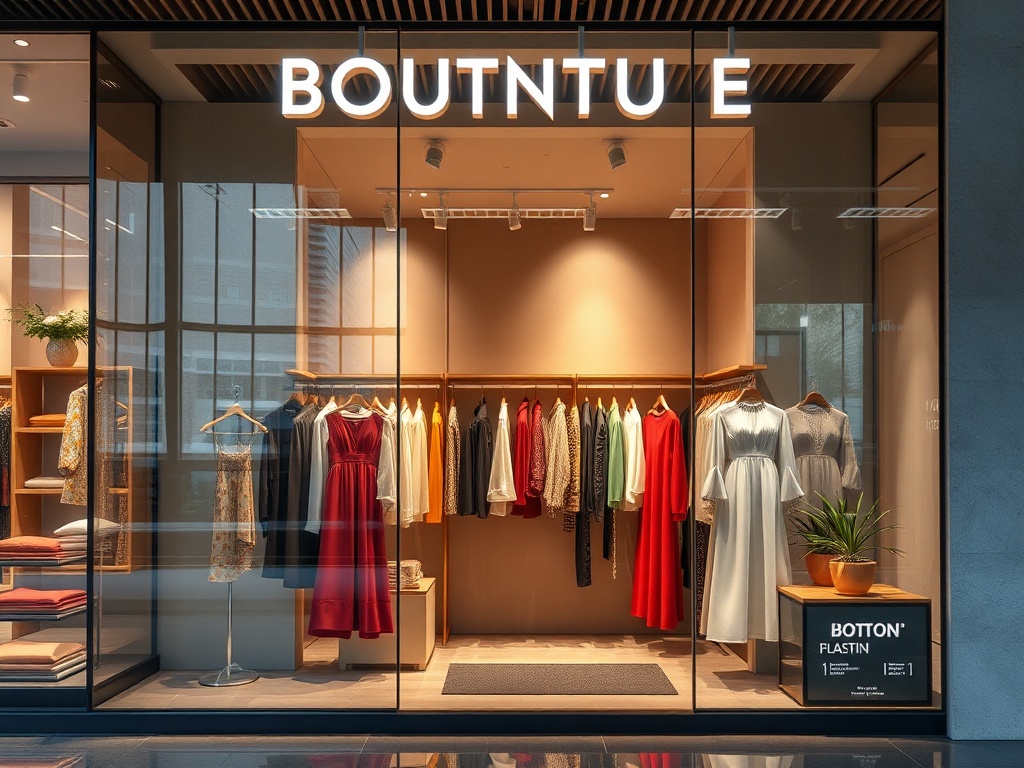
– Lighting, music, and scent tailored to the brand mood to increase dwell time.
– Staff trained as stylists who can build outfits, offer alterations advice, and suggest complementary items.
Omnichannel integration
Customers expect seamless interaction between online and offline. Integrate channels by:
– Offering click-and-collect, easy returns across channels, and real-time inventory visibility.
– Syncing promotions so discounts and loyalty benefits apply uniformly.
– Using the store as a fulfillment point for local deliveries to speed shipping and reduce costs.
Digital-first merchandising and content
Strong digital presence drives discovery and loyalty:
– High-quality product photography with multiple angles and real-life styling shots.
– Short video content showing fit, movement, and fabric details to reduce returns.
– Editorial content—style guides, trend roundups, and behind-the-scenes features—that builds authority and SEO value.
Personalization and customer data
Small-scale personalization can deliver outsized returns:
– Capture preferences at checkout and through loyalty sign-ups to tailor email campaigns.
– Use simple segmentation for targeted offers: new customers, frequent buyers, local shoppers.
– Implement wishlists and back-in-stock alerts to re-engage intent-driven buyers.
Sustainability and transparency
Shoppers increasingly favor ethical practices.
Communicate efforts clearly:
– Highlight sustainable fabrics, local manufacturing, and transparent supply chains.
– Offer repair services, resale programs, or garment care guides to extend product life.
– Use eco-friendly packaging and share the environmental benefits to reinforce brand values.
Community and experiential marketing
Boutiques are community hubs—leverage that advantage:
– Host pop-ups, trunk shows, and collaborations with local designers or artists.
– Partner with complementary businesses—cafés, salons, or florists—for cross-promotions.
– Cultivate a brand community through events, private previews, and loyalty experiences.
Operational efficiencies and KPIs
Strong back-end processes support growth:
– Tight inventory control to avoid stockouts and markdowns.
– Vendor relationships that allow flexible reorders and small run production.
– Monitor KPIs like conversion rate, average order value, customer retention, and foot traffic to guide decisions.
Boutique success depends on a balance of artistry and discipline: memorable curation, exceptional service, seamless digital experiences, and purposeful operations. Focusing on these areas helps boutiques not only survive but become indispensable to their customers and communities.