Boutique Fashion Retail: Curate, Delight & Grow with Smart Tech
Boutique fashion retail thrives on a simple advantage: intimacy. Small footprint and carefully curated collections let independent shops offer a personality and point of view that mass retailers can’t match. For retailers who want to grow while staying true to their identity, balancing curated taste, thoughtful customer experience, and smart use of technology is essential.
Curated selection and brand story
Boutiques succeed by curating pieces that tell a cohesive story. Buyers should prioritize quality, fit, and a clear aesthetic—whether that’s elevated basics, artisanal ready-to-wear, or niche streetwear. Every product should reinforce the store’s identity.
Displaying brand backstories, maker profiles, and material sourcing on tags and online product pages strengthens emotional connection and justifies premium pricing.
Experience-driven retail
Foot traffic is about more than transactions. In-store experiences—private styling appointments, trunk shows, workshops, and pop-up events with emerging designers—turn casual browsers into loyal customers.
Staff trained in personalized styling act as brand ambassadors: offering outfit suggestions, alterations advice, and follow-up communications creates repeat business and high lifetime value.
Omnichannel presence
A seamless blend of physical and digital channels is now table stakes. Key features to prioritize:
– Responsive e-commerce with clear product photography and fit guidance
– Click-and-collect, curbside pickup, and flexible return options
– Shoppable social posts and live-commerce events to convert followers into buyers
– SMS and email flows for abandoned carts, back-in-stock alerts, and curated recommendations
Integrating inventory across channels prevents stockouts and reduces customer friction.
Smart merchandising and inventory management
Boutiques must be lean but responsive. Focus on fast-moving core styles, limited-edition drops to maintain urgency, and a small selection of investment pieces.
Use simple analytics—sell-through rates, margin per SKU, and conversion by channel—to guide reorders and markdowns. Collaborations and exclusive capsules help differentiate assortments without ballooning inventory risk.
Sustainability and transparency
Consumers increasingly value ethical practices. Communicate sustainability efforts clearly—transparent materials, local production, and repair/alteration services resonate with conscious shoppers.
Small-format retailers can leverage repair and alteration programs as value-added services that extend garment lifespan and deepen customer relationships.
Visual merchandising and sensory cues
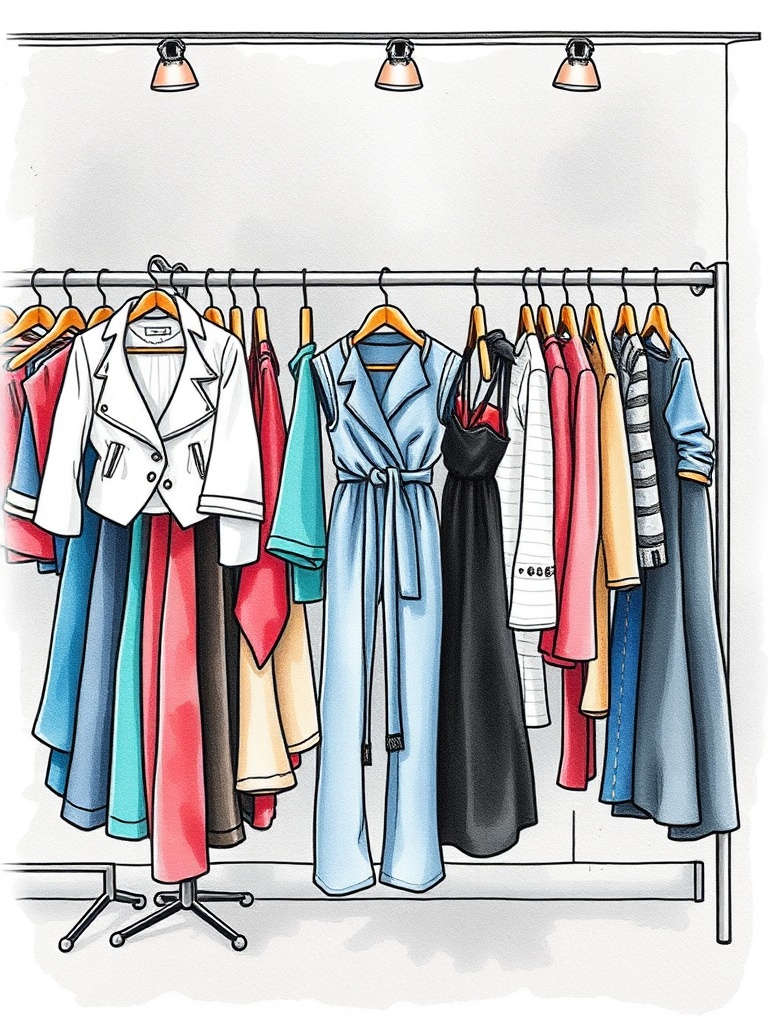
In a boutique, visual storytelling matters. Display outfits as complete looks to inspire purchase combinations. Rotate window displays regularly to showcase new arrivals and drive curiosity. Pay attention to lighting, scent, and music—subtle sensory cues boost dwell time and perceived value.
Community and loyalty
Cultivate local community through events, collaborations with local artists, and loyalty programs that reward frequency and referrals rather than discount-driven purchases. A memorable unboxing, personalized thank-you notes, or styling follow-ups turn one-time shoppers into advocates.
Technology that feels human
Adopt technology that enhances human connections rather than replacing them.
Virtual styling appointments, AR try-on for key categories, simple POS systems, and customer profiles that store size and style preferences are high-impact tools.
Keep implementations straightforward and customer-facing interfaces effortless.
Final thought
Boutique fashion retail is a discipline of specialization—curate thoughtfully, create memorable experiences, and use technology to amplify the human touch. When product curation, service, and storytelling align, boutiques can command loyalty and margins that larger competitors struggle to match.