Boutique Fashion Retail: Curation, In-Store Experience & Omnichannel Growth
Boutique fashion retail thrives on personality, curation and community. Unlike big-box chains, boutique stores sell a lifestyle — a finely tuned selection of garments and accessories that reflect a clear aesthetic and create emotional connections.
To succeed, independent retailers must blend standout in-store experiences with smart digital tactics, sustainable practices and strong local ties.
Why curation wins
Shoppers come to boutiques for discovery. A tightly edited assortment reduces choice overload and highlights pieces that feel special. Focus on a signature look — whether contemporary minimalism, vintage-inspired pieces or artisanal craft — and buy to tell a story.
Limited runs and exclusive collaborations amplify perceived value and drive repeat visits.
Experience-first retail
Physical stores remain powerful when they offer more than transaction.
Elements that elevate the boutique experience include:
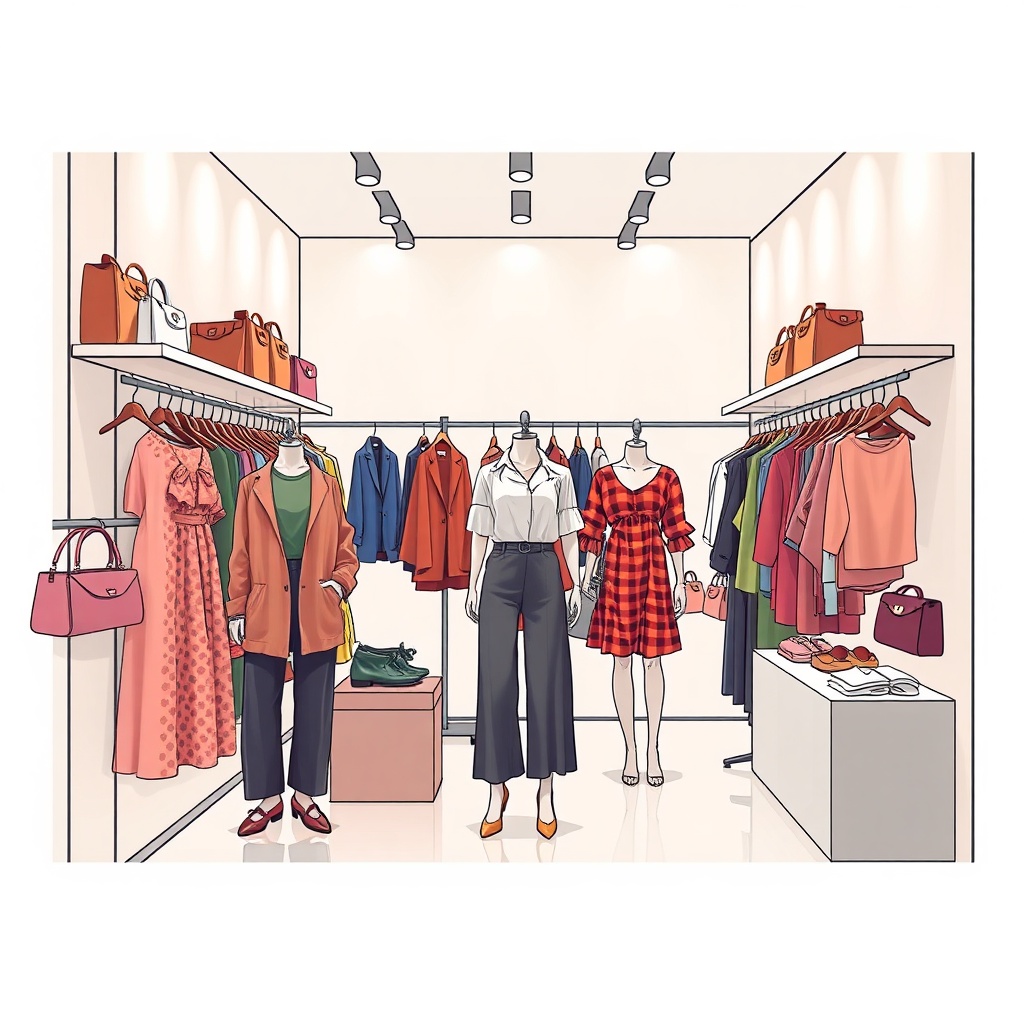
– Thoughtful visual merchandising: use groupings by outfit idea rather than lone items; rotate displays to create constantly fresh focal points.
– Sensory details: lighting, scent, and music calibrated to your brand can increase dwell time and average sale value.
– Personal service: trained staff who style confidently, offer alterations or arrange private appointments boost customer loyalty.
– Events and workshops: launches, styling nights and mini-market pop-ups turn casual visitors into brand advocates.
Omnichannel and social commerce
Seamless integration between online and offline channels drives modern boutique growth. Prioritize a website that showcases lifestyle imagery, easy checkout and local pickup options. Social platforms are discovery engines — use them for shoppable posts, behind-the-scenes stories and user-generated content to build trust.
Micro-influencers and local tastemakers often deliver stronger engagement than mass influencer campaigns, especially for boutiques with niche audiences.
Inventory and data discipline
Boutiques must balance the charm of small-batch inventory with the need to minimize stockouts and markdowns.
Use point-of-sale data to identify best-selling categories, ideal price ranges and reorder rhythms. Consider a few evergreen staples that rotate in multiple colorways alongside seasonal statement pieces to maintain turnover without sacrificing uniqueness.
Sustainability and circular offerings
Consumers increasingly expect ethical sourcing and transparency. Communicate product provenance clearly, highlight small-batch or made-to-order items, and consider offering repair, resale or rental options. Hosting a curated consignment program or partnering with local tailors for alterations reinforces a circular mindset and extends customer relationships.
Local partnerships and storytelling
Collaborations with nearby artists, cafés or lifestyle brands expand reach and create community relevance. Tell the stories behind makers and materials through tags, in-person storytelling and email newsletters — narratives are often the deciding factor for boutique customers choosing between a mainstream option and a curated find.
Practical steps to implement now
– Audit your assortment: cut slow-moving SKUs and double down on styles that tell your brand story.
– Enhance your in-store flow: create three focal displays that rotate weekly.
– Activate a loyalty touchpoint: appointment shopping, early access or a styling newsletter.
– Leverage social proof: encourage shoppers to tag purchases and feature UGC on product pages.
– Track sell-through weekly and set reorder thresholds to avoid overstocks.
Boutique fashion retail is about heart as much as strategy. With disciplined merchandising, thoughtful experiences, and a clear digital bridge to your community, small retailers can outmaneuver larger competitors and build a devoted customer base that returns for both the clothes and the meaning behind them.