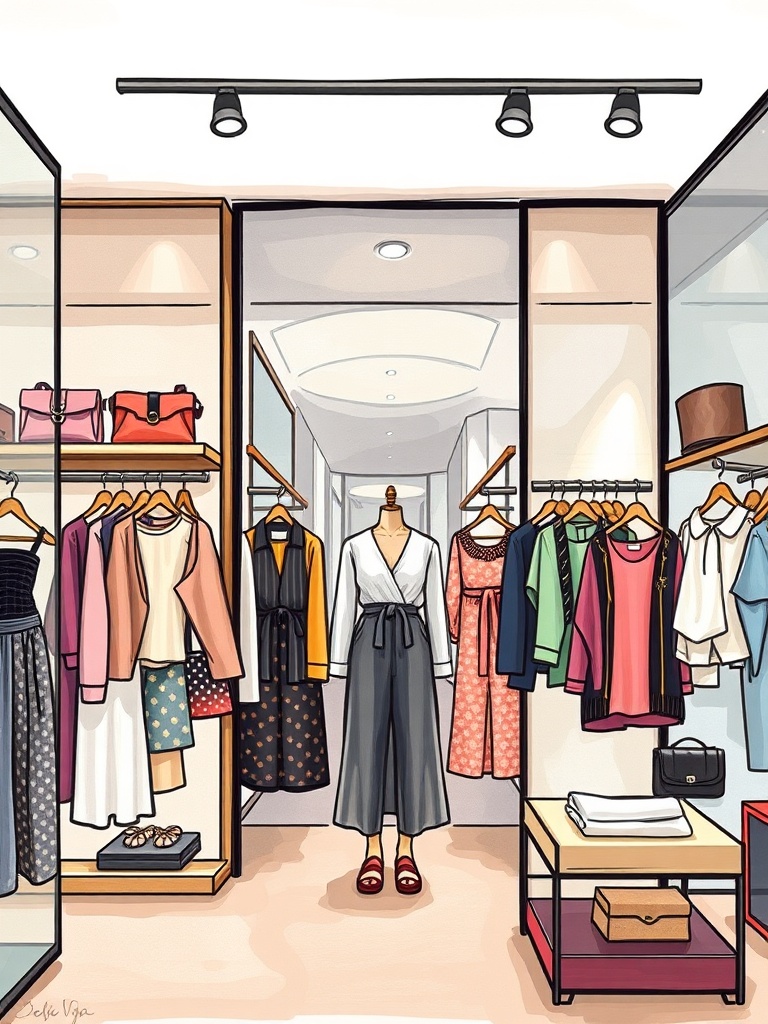
Boutique Fashion Retail Growth: Curated Merchandising, Omnichannel & Personalization
Boutique fashion retail thrives on distinction: curated selections, personalized service, and a strong sense of community set small shops apart from mass-market chains.
That advantage can be amplified by blending thoughtful merchandising with modern retail tactics that attract shoppers and build loyalty.
What shoppers want
Shoppers come to boutiques for discovery and authenticity. They seek pieces with stories—limited runs, local designers, or sustainable materials—paired with an experience that feels exclusive.
Boutique shoppers value knowledgeable staff who act as stylists, seamless checkout whether online or in-store, and a brand identity that aligns with their values.
Key strategies for growth
– Curated inventory: Focus on a clear aesthetic and a tight edit of products. Curated collections reduce decision fatigue, increase perceived value, and make cross-selling easier. Limited drops and capsule collections create urgency without inflating markdowns.
– Omnichannel consistency: Maintain a unified brand voice and inventory across web, mobile, and in-store.
Click-and-collect, local delivery, and easy returns increase conversion and keep boutique shoppers engaged.
– Experience-first retail: Host styling appointments, trunk shows, and small events that turn visits into occasions.
Visual merchandising that changes regularly keeps the floor feeling fresh and encourages repeat foot traffic.
– Community and storytelling: Use email, social posts, and in-store signage to highlight designers, production methods, and customer stories. Community-driven initiatives—collabs with nearby makers or charity tie-ins—build local loyalty and generate PR-friendly moments.
– Personalization at scale: Leverage simple data—purchase history, size preferences, and browsing behavior—to suggest new arrivals and restock alerts. Personal shopping notes and tailored recommendations create deeper connections.
Technology that supports boutiques
Modern point-of-sale systems and inventory platforms are accessible and scalable, helping boutiques track fast-moving SKUs and link stock across channels. Social commerce tools let shops tag products in shoppable posts and convert inspiration into immediate purchases. Augmented reality try-on and virtual appointments enhance convenience for customers who prefer to shop from home while maintaining a high-touch feel.
Sustainability and transparency
Sustainable practices are often a natural fit for boutique retailers: smaller orders, elevated quality, and local sourcing reduce waste and resonate with eco-conscious shoppers. Clear labeling about materials, care instructions, and production origins builds trust and supports premium pricing.
Staffing and service
Hiring staff who are passionate about style and trained to consult rather than simply transact makes a measurable difference. Empower team members with product knowledge, sales incentives tied to customer satisfaction, and the autonomy to personalize purchases—notes, gift wrapping, or styling bundles.
Measuring success
Track metrics that reflect a boutique’s strengths: average order value, repeat customer rate, conversion by channel, and event-driven sales lift. Qualitative feedback from customers—surveys, social mentions, and in-person conversations—often reveals opportunities that raw numbers miss.
Small-scale experimentation wins
Boutiques can test new ideas quickly: a weekend pop-up, a limited collaboration, or a new loyalty tier. Testing cost-effectively and iterating based on direct customer responses keeps risk low while uncovering what truly resonates.
Boutique fashion retail remains a strong channel for creativity and lasting relationships. By combining curated product stories, thoughtful service, and efficient use of modern tools, small retailers can maintain a distinct edge and create shopping experiences that customers choose over convenience alone.