Boutique Fashion Retail: How Small Stores Win Big with Curation, Experience & Omnichannel
Boutique Fashion Retail: How Small Stores Win Big with Experience and Curation
Boutique fashion retail is thriving by doubling down on what mass-market brands can’t easily replicate: highly curated product assortments, personalized service, and memorable in-store experiences.
Independent retailers that focus on storytelling, community, and smart tech integration are turning foot traffic into loyal customers and strong margins.
Why curation matters
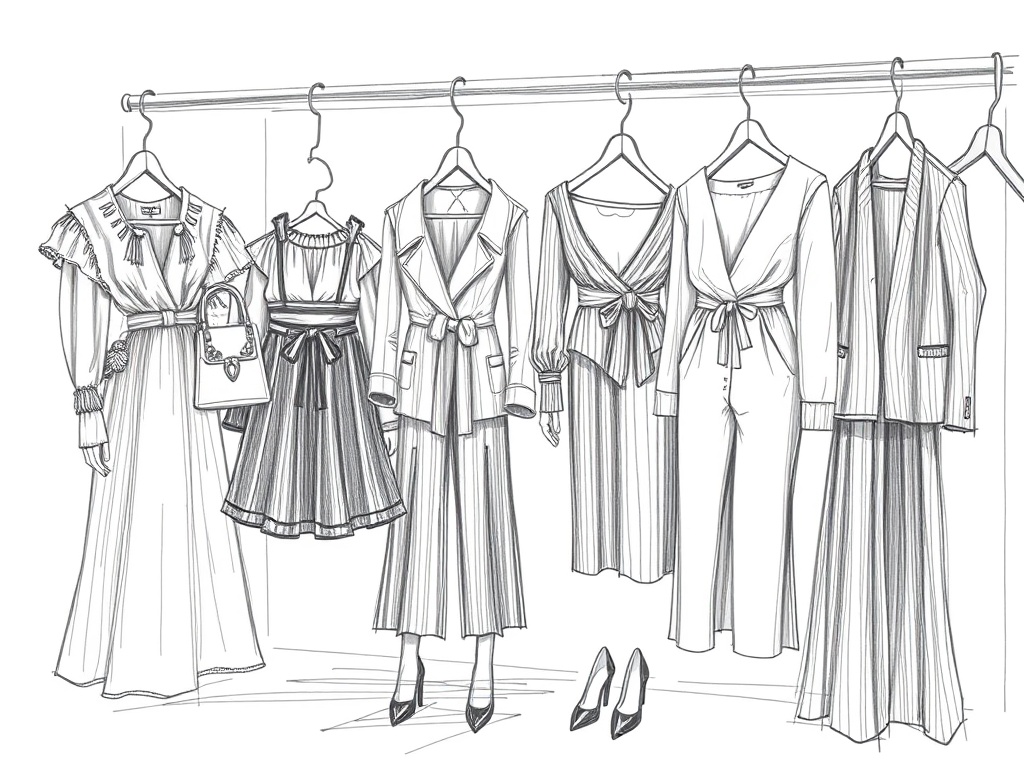
Shoppers visit boutiques to discover items that feel unique and thoughtfully selected. A tight, well-edited assortment reduces decision fatigue and highlights each piece’s story — from designer background to sourcing and fit. Position merchandise around clear themes (e.g., “sustainable basics” or “evening edits”) to make browsing fast and inspiring.
Create an experiential destination
Physical space is no longer just a place to transact.
It’s a stage for community and brand identity. Simple upgrades yield big returns:
– Host intimate events: styling sessions, capsule launches, or maker talks.
– Offer private appointments and trunk shows for VIP treatment.
– Use sensory elements — lighting, scent, music — to reinforce the brand mood.
These touchpoints increase dwell time and revenue per visit while deepening emotional connection.
Omnichannel that feels seamless
Buyers expect a unified experience across web, social, and in-store. Make it easy to reserve online, pick up in store, or receive tailored recommendations via chat. Key priorities:
– Integrate POS and inventory so stock levels are accurate in real time.
– Optimize product pages with clear sizing, multiple images, and video.
– Leverage social commerce for quick path-to-purchase from discovery to checkout.
Personalization without being intrusive
Personalization drives repeat business when done thoughtfully. Use purchase history and expressed preferences to offer curated recommendations, exclusive restock alerts, and birthday perks. Keep communications relevant and infrequent enough to remain welcome.
Sustainability and transparent sourcing
Many shoppers prioritize longevity and responsible production. Highlight durable fabrics, transparent supply chains, and repair or recycling options. Thoughtful sustainability messaging differentiates boutiques from fast-fashion competitors and justifies premium pricing.
Community and storytelling
Build local loyalty through collaborations with nearby makers, pop-ups, and neighborhood partnerships. Feature customer stories and behind-the-scenes content to create authenticity. User-generated content and reviews act as powerful social proof that boutique shoppers trust.
Smart inventory and margin management
With limited floor space, every SKU must earn its place. Best practices include:
– Data-driven replenishment based on sell-through rates.
– Small batch buys to test new labels before scaling.
– Strategic markdown cadence to protect margins while keeping inventory fresh.
Tech tools that scale without drowning the brand
Choose technology that enhances — not replaces — the human touch. Essential tools include a unified POS, simple CRM, inventory sync, and analytics dashboards that highlight best sellers, customer LTV, and channel performance. Augmented reality try-on and virtual styling grow conversion, especially for hybrid shoppers.
Marketing that converts
Invest in highly visual content for social platforms, email sequences that tell ongoing stories, and search-optimized product descriptions that improve discoverability.
Micro-influencers who align with the boutique aesthetic can drive meaningful traffic without inflated costs.
Final thoughts
Boutique fashion retailers succeed by leaning into curation, community, and customer experience while using tech to remove friction. Focus on a distinct brand voice, a tightly edited assortment, and thoughtful omnichannel service to convert first-time browsers into loyal advocates. Small changes in experience, inventory discipline, and storytelling can produce outsized returns for stores that prioritize quality over quantity.