Boutique Fashion Retail: How Small Stores Win with Curation, Personalized Experience, and Community
Boutique Fashion Retail: How Small Stores Win Big with Experience, Curation, and Community
Boutique fashion retail remains a powerful force in a landscape dominated by big-box brands and fast fashion. Independent boutiques can outcompete larger players by focusing on three strengths that mass retailers struggle to replicate: highly curated assortments, personalized service, and strong local or online communities. Here’s how boutique owners can sharpen those advantages and attract loyal customers.
Curated assortments that tell a story
The heart of any successful boutique is its product mix. Shoppers come to boutiques for discovery—pieces they won’t find elsewhere and collections that reflect a clear point of view. Curating inventory by aesthetic, lifestyle, or niche (sustainable knitwear, artisan denim, occasion wear) helps shoppers quickly identify whether a store matches their taste. Work with smaller designers, limited runs, and exclusive collaborations to create scarcity and excitement. Rotate displays frequently and use storytelling on product tags and online descriptions to highlight provenance and craftsmanship.
Elevate the in-store experience
Boutiques win on experience.
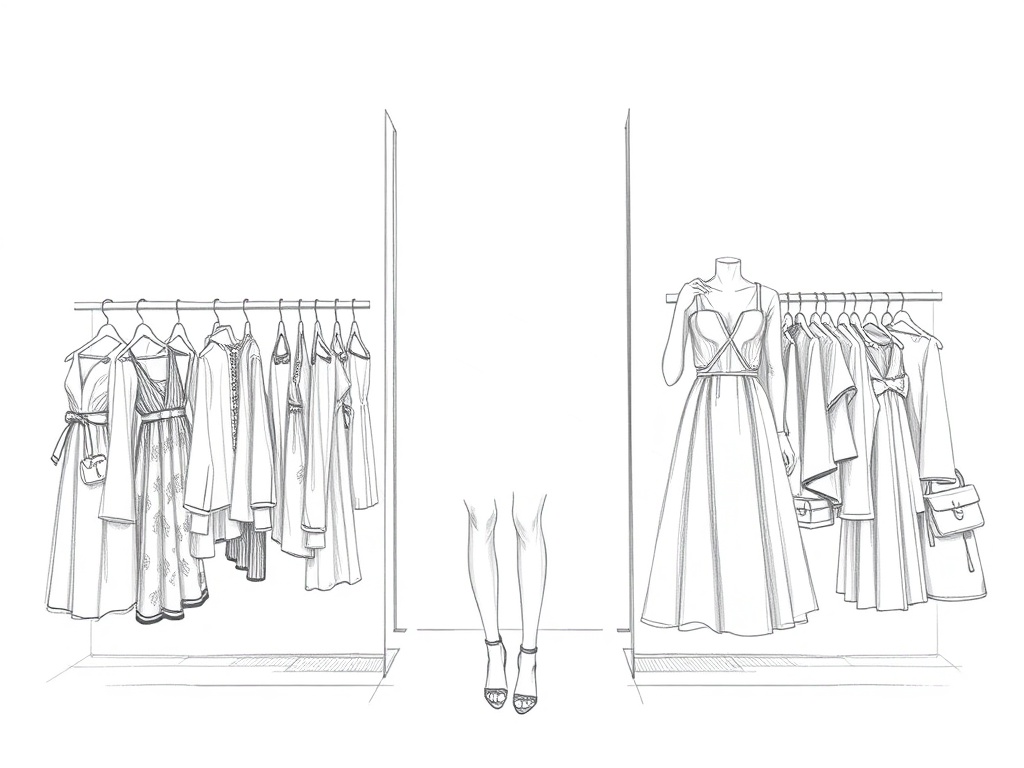
Thoughtful store layout, comfortable fitting rooms, soft lighting, and tactile displays invite longer visits and higher conversion. Host small events—trunk shows, styling nights, maker meet-and-greets—to give customers reasons to return beyond transactions. Offer complimentary services like personal styling appointments, alterations, or curated gift wrapping. The goal is to make the boutique feel like a destination rather than a convenience stop.
Omnichannel presence with a boutique touch
Successful boutiques blend physical and digital seamlessly. A mobile-friendly website with clear product photography, detailed descriptions, and easy checkout is essential. Offer options that mirror big retailers—ship-from-store, buy-online-pickup-in-store, curbside pickup—to reduce friction. Use social media for storytelling: behind-the-scenes content, short styling clips, and customer features humanize the brand. Integrate inventory management so online availability reflects real-time stock, minimizing disappointed customers.
Personalization and data-light CRM
Personalization doesn’t require massive data sets. Track customer preferences through purchase history, wish lists, and opt-in preferences to send relevant product alerts and tailored promotions. Keep communications authentic and sparing—boutique customers often prefer quality interactions over high-volume emails. Loyalty programs based on experience (early access to new drops, invites to events) resonate more than generic discount schemes.
Sustainability and transparency matter
Many boutique shoppers prioritize sustainability and ethical production.
Highlight responsible practices: transparent supply chains, small-batch manufacturing, natural fibers, and repair or resale options. Certification badges help, but storytelling about the maker, materials, and lifecycle of a garment carries more emotional weight. Offering repair services or take-back programs can extend garment life and reinforce responsible values.
Community building and local partnerships
Local partnerships amplify a boutique’s relevance.
Collaborate with nearby cafés, galleries, or wellness studios for cross-promotions or pop-ups. Feature local artists and host community-centric events to build foot traffic and word-of-mouth. In the digital sphere, invest in micro-influencers and customer-generated content to showcase real-life styling and build trust.
Inventory discipline and smart buying
Boutiques thrive with lean inventory strategies. Focus on core SKUs that sell reliably while experimenting with small quantities of new products.
Use pre-orders for higher-risk items to validate demand before committing to large purchases. Regularly analyze sell-through rates and markdown cadence to refine buying decisions.
Boutique fashion retail can be highly resilient when focused on curated product, superior service, and authentic community connections.
By blending thoughtful in-store experiences, smart omnichannel practices, and transparent values, small retailers can build lasting loyalty and stand out in a crowded market. Emphasize what only a boutique can offer—distinctive curation, human connection, and local flavor—and customers will follow.