Boutique Fashion Retail: How to Thrive with Curated Merchandising, Omnichannel Strategy, and Community-Building
Boutique fashion retail thrives by delivering a sense of discovery, personal connection, and curated style that mass retailers can’t match.
To stay competitive, boutique owners blend thoughtful merchandising with smart use of technology, community-building, and sustainability — all while keeping an intimate, brand-driven experience at the center.
What shoppers expect now
Customers come to boutiques seeking uniqueness, quality, and a story.
They value well-curated collections that reflect a clear point of view, knowledgeable staff who can style them, and a seamless experience whether they shop in-store or online. Convenience matters, but so does authenticity: shoppers want to feel like they’re buying into a lifestyle, not just a product.
Key strategies for boutique success
– Curate with intent: Stock a tight, cohesive selection that tells a story.
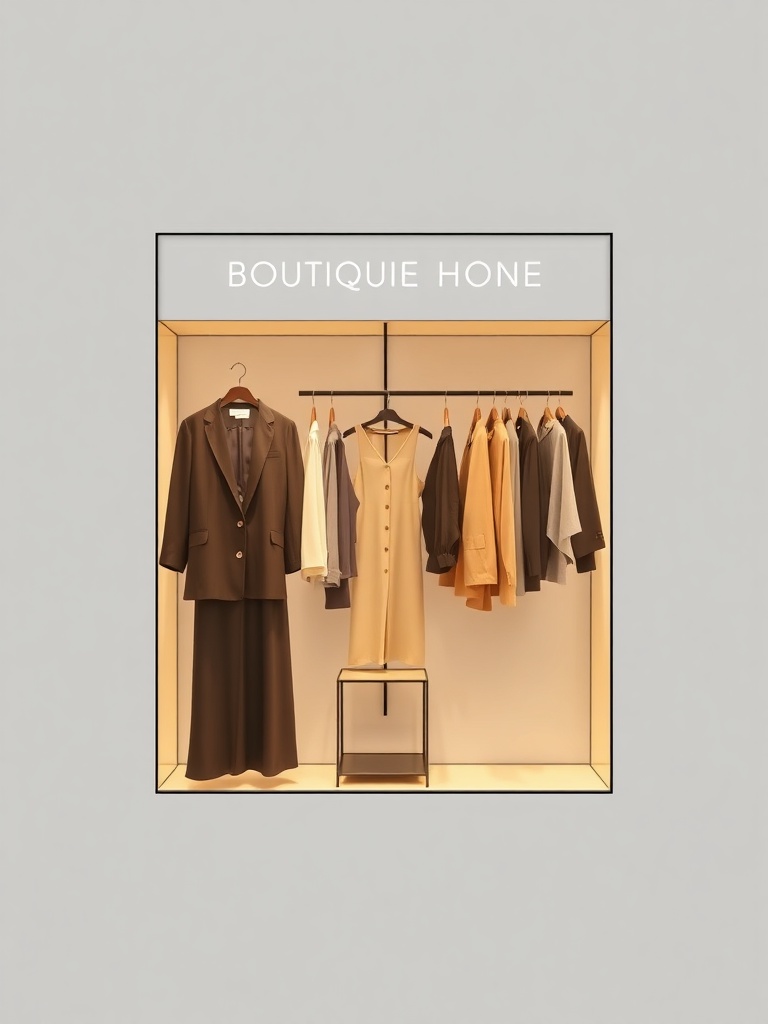
Prioritize pieces with strong design, ethical production, or a clear brand ethos.
A smaller assortment that complements your aesthetic reduces decision fatigue and improves sell-through.
– Elevate the in-store experience: Invest in lighting, fixtures, and sensory touches (music, scent) that reinforce your brand. Training staff to act as stylists and personal shoppers turns transactions into relationships and boosts average order value.
– Omnichannel convenience: Offer click-and-collect, local delivery, and real-time inventory visibility.
Integrate POS and e-commerce systems so the same products, prices, and customer data flow between channels.
– Community and events: Host styling nights, trunk shows, designer talks, or small workshops. Events build loyalty, create social content, and position the boutique as a local cultural hub.
– Smart digital presence: Use product-led social content — styling reels, behind-the-scenes clips, and user-generated images — to showcase how pieces move through real life. Clear product descriptions, fit guidance, and consistent branding across platforms help convert browsers into buyers.
– Personalization and loyalty: Implement simple personalization like curated email drops, birthday offers, or VIP previews. A tiered loyalty program that rewards frequency with experiences (early access, invites) is often more motivating than purely discount-driven models.
– Sustainability and transparency: Highlight sourcing, material stories, and care instructions.
Even incremental commitments — responsible packaging, repair services, or limited-run capsules — resonate with values-minded customers.
Merchandising and inventory tactics
Rotate seasonal capsules rather than large, one-time buys. Track sell-through rates by category and adjust buys quickly to avoid markdowns. Use preorders for higher-risk styles to gauge demand and reduce overstock. Collaborating with local designers for exclusive pieces can increase perceived value and drive foot traffic.
Visual merchandising tips
Create small vignettes that show complete outfits to inspire immediate purchase. Use mannequins and imagery that reflect your core customer.
Keep displays fresh with weekly edits to reward repeat visitors and maintain a sense of discovery.
Measuring what matters
Beyond sales per square foot, measure customer retention, average order value, conversion rates across channels, and event attendance. Collecting and actioning customer feedback will reveal where to refine assortment, service, or messaging.
Standing out in a crowded market comes down to a boutique’s ability to craft memorable moments around thoughtfully selected products. By combining curated assortments, elevated service, smart omnichannel operations, and community-driven marketing, boutiques can build loyal followings and keep shoppers coming back for the experience as much as the merchandise.
Consider focusing on one or two of these areas first — the biggest gains often come from sharpening your signature strengths rather than trying to do everything at once.