Boutique Fashion Retail: Proven Strategies to Drive Growth and Build Customer Loyalty
How Boutique Fashion Retail Thrives: Strategies for Growth and Customer Loyalty
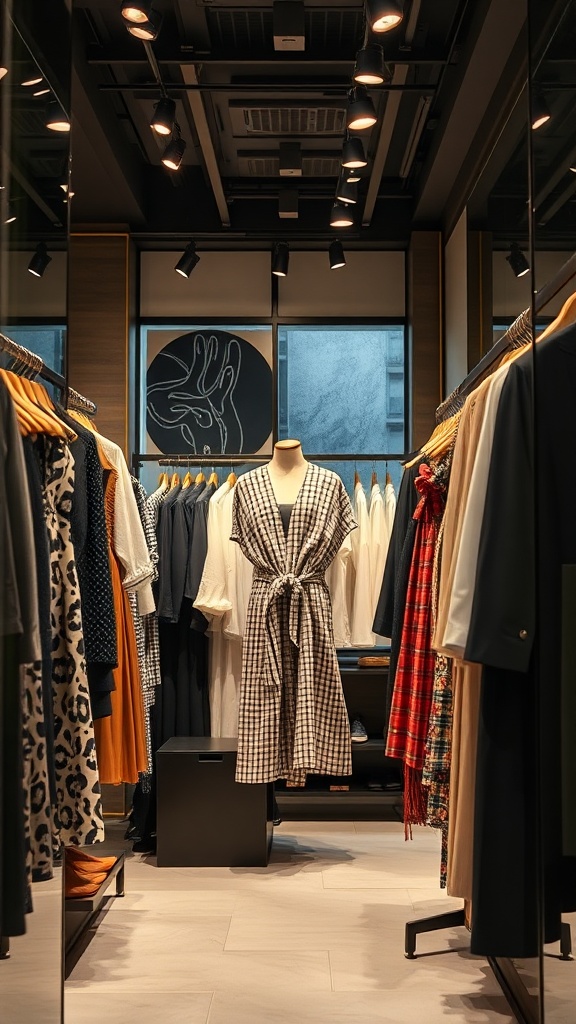
Boutique fashion retail remains a powerful counterpoint to mass-market chains, offering curated selection, distinct branding, and a personal shopping experience. As consumer expectations evolve, independent boutiques that blend timeless retail principles with modern tools are the ones most likely to stand out and grow.
Curated merchandise and clear brand voice
The core advantage of a boutique is thoughtful curation. Shoppers visit boutiques to discover pieces they won’t find everywhere else—limited runs, local designers, and unique colorways.
A consistent brand voice across storefront, product descriptions, and social media helps customers quickly understand what you sell and why it matters.
Focus on storytelling: the designer’s origin, the fabric story, or the small-batch process creates emotional value and supports higher margins.
Omnichannel experience without complexity
Customers expect a seamless experience whether they browse on a phone, visit a shop, or contact customer service. Implementing a simple omnichannel strategy—real-time inventory visibility, buy-online-pickup-in-store, and responsive messaging—reduces friction and increases conversion.
Use lightweight point-of-sale and inventory systems that sync online and offline sales to avoid overselling and to enable fast fulfillment.
Personalization and exceptional service
Personalized recommendations and attentive service turn one-time buyers into regulars. Train staff to capture preferences during visits and to follow up with curated suggestions.
Email and SMS campaigns should be highly targeted—feature new arrivals that match past purchases or send early access invitations to VIP customers.
Personal touches, like handwritten notes or styling tips, enhance customer loyalty and generate organic word-of-mouth.
Sustainability and ethical transparency
Shoppers increasingly prioritize sustainability and ethics. Boutiques can lead by offering transparent sourcing information, embracing slow fashion labels, and facilitating repairs or alterations.
Highlight product lifecycle benefits—durable fabrics, recyclable packaging, and local production—to justify premium pricing and attract conscious consumers.
Leveraging community and experiential retail
Beyond transactions, successful boutiques create community. Host intimate events—designer talks, styling workshops, or small trunk shows—that bring customers into the brand world. Collaborations with nearby businesses or creatives expand reach and create buzz.
Experiential elements like in-store personalization stations or photo-ready displays encourage social sharing and repeat visits.
Smart merchandising and inventory turns
Inventory management is critical for boutique margins.
Prioritize a mix of staple best-sellers and higher-margin seasonal or exclusive pieces. Use sales data to identify top performers and limit slow-moving SKUs. Consider flexible purchasing agreements with designers to reduce upfront risk, and use pre-order drops to gauge demand for new items.
Digital marketing that drives foot traffic
Local SEO, targeted social ads, and engaging visual content are essential.
Showcase product details, fit guides, and lifestyle imagery that reflect how pieces look in real life. Short-form video and live shopping sessions can create urgency around limited drops.
Encourage customers to leave reviews and share their looks to build social proof.
Quick checklist for boutique owners
– Clarify your niche and message across all channels
– Sync inventory and offer convenient fulfillment options
– Train staff to deliver personalized recommendations
– Host events and nurture local partnerships
– Prioritize sustainable and transparent product choices
– Use data to optimize assortments and pricing
Boutiques that marry curation and community with smart operations and clear storytelling are positioned to win loyal customers and steady growth. Small retailers who embrace focused digital tools and prioritize memorable, human-centered experiences will keep fashion retail fresh and relevant.