Boutique Retail Playbook: Curated Merchandising, Omnichannel Tech, and Sustainable Strategies to Boost Loyalty
Boutique fashion retail thrives on differentiation: a carefully curated product mix, memorable in-store experiences, and authentic connections with customers.
As shoppers prioritize discovery, values, and convenience, boutique owners who blend thoughtful merchandising with modern retail tech win more loyalty and higher margins.
What customers expect now
Shoppers seek items that feel personal and responsibly made, plus a streamlined path to purchase. They want:
– Unique pieces that tell a story rather than mass-produced options
– Transparent sourcing and sustainable practices
– Seamless omnichannel service — browse online, try in store, buy anywhere
– Engaging experiences, from styling sessions to intimate events
Merchandising and product strategy
Curate by theme, not just trend.
Building micro-collections around lifestyle cues (work-to-weekend, vacation capsule, capsule for special occasions) makes discovery easier and encourages multiple-item purchases.
Limited runs and made-to-order options reduce inventory risk and increase perceived value. Consider partnerships with local designers for exclusive capsules that emphasize locality and craft.
In-store experience that converts
Small stores have an advantage: they can create intimacy.
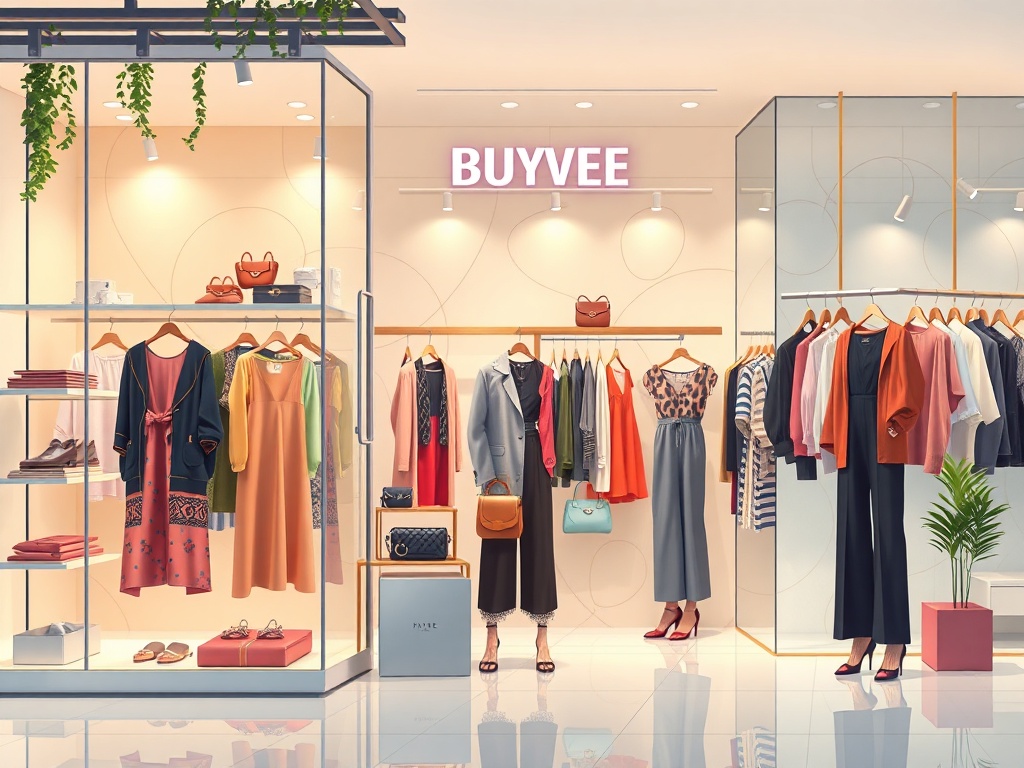
Focus on sensory elements—lighting that flatters fabric, curated playlists, subtle scent—and design spaces for conversation. Offer appointments, personal styling, and tailoring to remove friction for higher-ticket sales. Host workshops or trunk shows to turn shoppers into regulars and create social buzz.
Omnichannel and technology
An effective tech stack should support seamless inventory visibility, easy checkout, and quick fulfillment. Features to prioritize:
– Real-time inventory sync across channels
– Buy-online-pick-up-in-store (BOPIS) and local delivery
– Click-to-book styling appointments
– Mobile-optimized site with shoppable imagery
Augmented reality try-ons and virtual styling consultations can expand reach without diluting the boutique’s curated feel. Social commerce on platforms with native checkout accelerates impulse purchases—link product tags back to a product page with clear sizing and return policy.
Sustainability and transparency
Customers reward transparency. Share supplier stories, materials, and lifecycle care tips. Offer repair, alteration, or take-back programs to extend product life and earn trust.
Sustainable initiatives should be communicated clearly on product pages and in-store signage so they become part of the boutique’s brand story rather than an afterthought.
Marketing that builds community
Shift from broadcast to relationship marketing. Tactics that work well:
– Local SEO and optimized business listings to capture nearby foot traffic
– Segmented email campaigns with styling tips, restocks, and VIP early access
– Social content that highlights real customers and behind-the-scenes craft
– Events and collaborations with complementary local businesses
Loyalty programs that reward repeat behavior—like exclusives, early access, or service credits—turn occasional shoppers into advocates.
Metrics to watch
Track both online and offline signals: conversion rate, average order value, repeat purchase rate, foot traffic trends, and customer lifetime value. Use shopper feedback and return reasons to refine fit, pricing, and assortment.
Actionable checklist
– Audit merchandising for stories and micro-collections
– Implement inventory sync and BOPIS
– Host one community event or collaboration each month
– Create repair or take-back options and promote them
– Optimize Google Business Profile and local SEO
Boutiques that balance curated discovery with convenience and clear values stand out. By investing in experience, technology, and community, small fashion retailers can command premium pricing, reduce churn, and build an enthusiastic local and digital following.