Boutique Retail Playbook: Curation, Customer Experience & Omnichannel Growth
Boutique fashion retail thrives on two things that big-box stores rarely replicate: personality and precision.
Boutiques win by offering a carefully curated selection, immersive in-store experiences, and relationships that turn casual shoppers into loyal advocates. Here’s a practical guide to keeping a boutique vibrant and relevant.
Curated Inventory, Distinct Point of View
Boutiques should offer more than clothing—they should present a lifestyle.
Curate collections around a clear aesthetic or need (e.g., workwear for creatives, elevated basics, or seasonless pieces). Small-batch and limited-run items create urgency and make each purchase feel special. Prioritize quality and storytelling: include product tags or signage that explain materials, makers, and the inspiration behind pieces.
Customer Experience as Competitive Advantage
Personalized service is the defining trait of successful boutiques. Offer appointments, private fittings, or one-on-one style consultations—both in-store and virtually. Train staff to build rapport quickly: remember names, note style preferences, and follow up after purchases. Thoughtful touches—hand-written notes, complimentary alterations, or curated gift wrapping—turn transactions into memorable moments.
Omnichannel Presence Without Overreach
A cohesive digital presence amplifies in-store strengths.
Maintain a clean, shoppable website with strong photography and concise product storytelling.
Use social platforms to showcase styling ideas, behind-the-scenes sourcing, and customer features rather than just product posts. Implement shoppable tags and simple checkout flows to reduce friction. SMS and email segmentation drive repeat visits: send targeted restock alerts, style guides, and exclusive early-access offers.
Community and Events
Boutiques are built on community.
Host intimate events—pop-up collaborations with local designers, styling workshops, or artist nights—to attract new customers and deepen connections.
Partner with nearby cafes, florists, or wellness studios for cross-promotion. Community-driven initiatives build local loyalty and provide content for social channels.
Sustainability and Ethical Sourcing
Consumers increasingly seek transparency.
Highlight responsible sourcing, eco-friendly fabrics, or production methods like low-waste cutting and local manufacturing. Offer repair services, garment recycling drop-offs, or curated secondhand edits. These practices resonate emotionally and can justify higher price points while reducing returns and waste.
Data-Driven Merchandising
Even small boutiques benefit from basic metrics. Track sell-through rates, best-selling sizes, and return reasons to refine purchasing decisions. Integrate point-of-sale data with inventory systems to avoid overstock and identify gaps. Use customer purchase histories to personalize recommendations and loyalty rewards.
Visual Merchandising and Photography
Presentation sells.
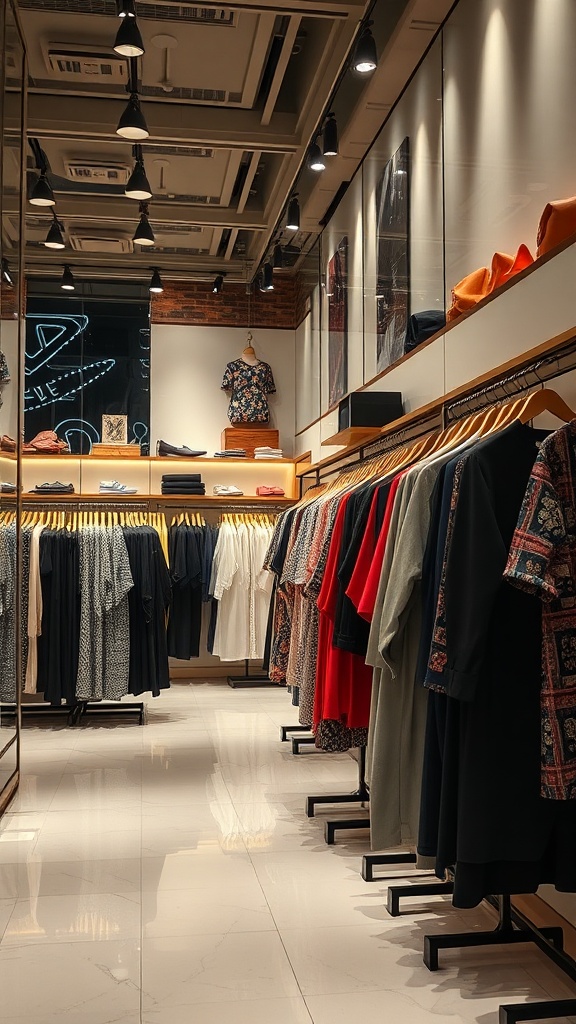
Invest in cohesive window displays, well-lit fitting rooms, and layered mannequins that show full outfits.
High-quality photography and short videos help customers visualize fit and styling, reducing hesitation on digital channels. Create simple lookbooks or “shop the edit” pages to guide purchases.
Flexible Fulfillment and Returns
Offer convenient fulfillment options: curbside pickup, in-store returns for online orders, and clear, fair return policies. Fast, transparent shipping and easy exchanges reduce buyer anxiety and increase conversion.
Micro-Influencer and Referral Strategies
Work with local micro-influencers who reflect your customer base for authentic promotion. Encourage referrals through incentive programs—discounts for both referrer and friend or exclusive event invites. User-generated content from real customers often outperforms polished ads in trust and engagement.
Final thought: boutique success comes from aligning product, experience, and community.
By leaning into curation, personalization, and smart digital tools, boutiques can remain nimble, profitable, and beloved destinations for shoppers seeking something distinct.