Build Loyalty in Fashion Retail: Omnichannel Journeys, Experiential Stores & Personalization
The modern fashion retail experience is shifting from transactions to relationships.
Customers expect seamless journeys across channels, authentic brand moments in-store, and personalized service that reflects values like sustainability and convenience. Retailers that blend human touch with smart technology are winning attention and loyalty.
Omnichannel fluidity
A true omnichannel strategy removes friction between online and offline. Shoppers want to browse on mobile, try on in-store, and pick up at curbside without repeating information.
Key elements include:
– Unified inventory so customers see real-time stock regardless of channel
– Click-and-collect and reserve-in-store options that reduce purchase hesitation
– Consistent product descriptions, imagery, and sizing across platforms
Experiential retail stores
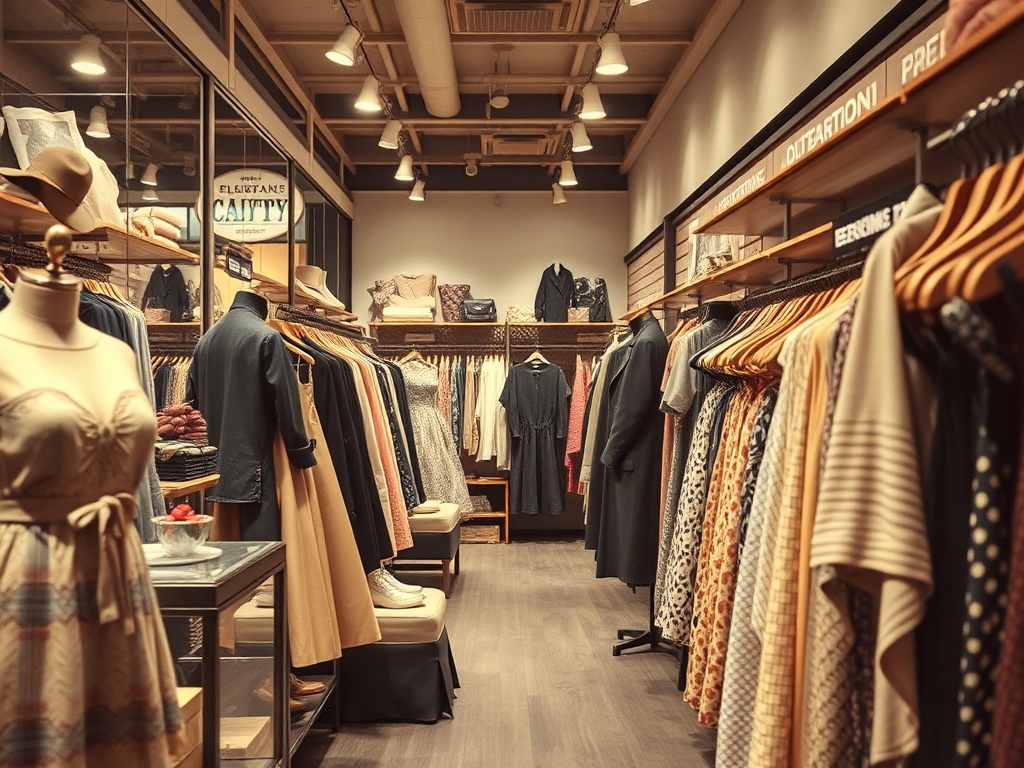
Stores are transforming into social and sensory destinations. Successful fashion retailers use physical locations to showcase brand storytelling, curated edits, and immersive installations that can’t be replicated online. Elements that enhance the in-store experience:
– Modular displays and adaptable interiors that support new collections and events
– Dedicated styling zones or mini-runways for product discovery
– Community programming like workshops, launches, and local collaborations
Personalization and data-driven merchandising
Personalization is no longer optional. Using first-party data and respectful profiling, retailers can tailor recommendations, promotions, and in-store service:
– Personalized email and push messaging with curated looks
– Staff access to customer preferences and purchase history for better consultations
– Dynamic merchandising based on local demand signals and weather patterns
Technology that enhances, not replaces
Technology should simplify the experience, not complicate it. Innovations that enhance conversion and convenience include:
– Virtual try-on and AR mirrors that reduce returns and encourage exploration
– RFID and smart inventory for faster checkout and accurate stock visibility
– Mobile POS and contactless payments for flexible, fast transactions
– Visual search and size recommendation tools that guide confident buying
Sustainability and circularity
Ethical sourcing, transparent supply chains, and circular business models influence purchasing decisions. Retailers can integrate sustainability into the experience by:
– Offering repair, alteration, and resale services in-store
– Highlighting product lifecycle information and responsible materials
– Encouraging trade-in programs and partnerships with resale platforms
People-first service
Despite digital advances, people remain a differentiator.
Investing in staff training and empowering frontline teams with tools and authority improves customer satisfaction. Best practices include:
– Ongoing training in product knowledge and soft skills
– Incentives aligned with long-term customer value, not just immediate sales
– Cross-functional teams that connect store feedback to merchandising and marketing
Measure what matters
Track metrics that reflect experience quality and lifetime value:
– Repeat purchase rate and customer retention
– Net promoter score and in-store experience feedback
– Return rates and conversion by channel
– Average order value uplift from personalized recommendations
Actionable next steps
– Audit the customer journey to identify pain points across channels
– Pilot tech that solves a specific friction, such as virtual try-on or mobile checkout
– Launch a community event to turn a store into a destination and collect firsthand feedback
Focusing on fluid omnichannel journeys, experiential spaces, thoughtful personalization, and sustainability creates a fashion retail experience that resonates.
When technology augments human service and measures are aligned to long-term loyalty, brands build both sales and meaningful relationships.