Curated Fashion Collections: A Complete Guide to Building a Cohesive, Sustainable Wardrobe
Curated fashion collections are reshaping how people discover, buy, and wear clothes. By thoughtfully selecting pieces that work together—whether for a season, a lifestyle, or a specific aesthetic—brands and stylists make shopping faster, more inspiring, and less wasteful. Curated collections are especially valuable for shoppers who want a cohesive wardrobe without endless scrolling.
What makes a strong curated collection
– Clear concept: Each edit should answer a question—weekend essentials, workwear refresh, travel capsule, or festival-ready looks. A clear theme guides selection and messaging.
– Cohesive palette and proportions: Limiting colors and balancing silhouette types makes pieces interchangeable, increasing outfit possibilities from fewer items.
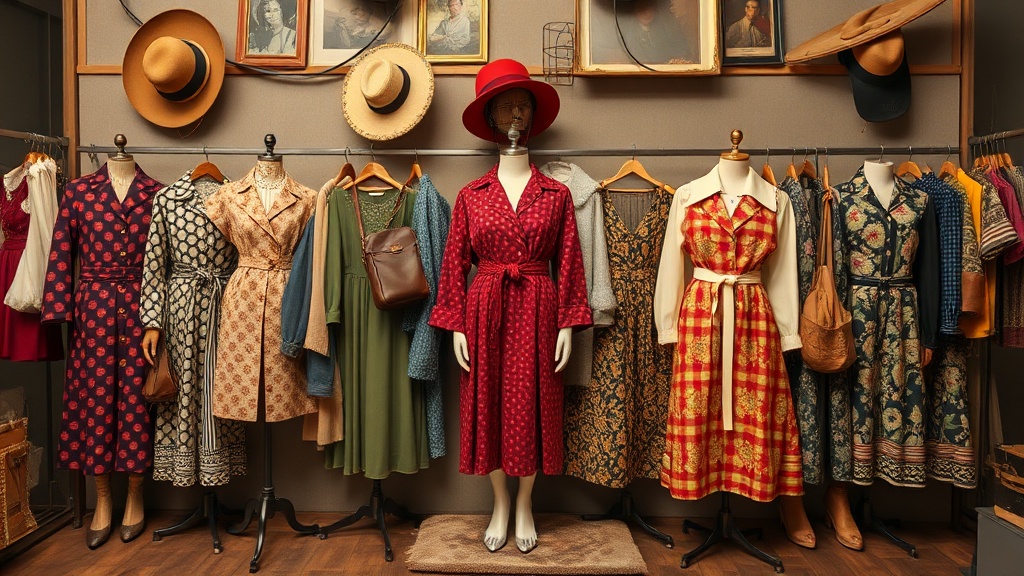
– Versatility and quality: Prioritize versatile pieces that can be dressed up or down, and choose fabrics and construction that age well.
– Size and style inclusivity: Successful collections represent a range of body types and personal styles, making the edit accessible and relevant to more shoppers.
Why curated edits work for consumers
– Time saved: Curated selections remove choice overload and deliver instant outfit inspiration.
– Better decisions: When items are shown together, shoppers can see how pieces coordinate, reducing returns and post-purchase regret.
– Confidence boost: A thoughtfully assembled edit helps people articulate and refine their personal style without trial-and-error.
– Sustainable impact: Fewer impulse buys and a focus on durable, multipurpose items contribute to longer garment lifespans.
How brands and retailers use curated collections effectively
– Editorial storytelling: Use imagery, lookbooks, and styling notes to show how items work together.
Shoppable editorial formats turn inspiration into purchases.
– Limited drops and exclusive edits: Curated, limited releases create urgency while allowing brands to test new aesthetics with lower inventory risk.
– Subscription and box services: Regularly delivered curated boxes help customers discover new brands and build a cohesive wardrobe over time.
– Cross-channel curation: Align in-store visual merchandising, e-commerce edits, and social content so shoppers get a consistent message wherever they interact.
Digital tools that enhance curation
– Visual merchandising platforms and product tagging enable quick assembly of coordinated looks.
– Virtual try-on and fit guides increase confidence when mixing and matching items from a curated edit.
– Personalized recommendations and browsing data help tailor collections to customer segments without overwhelming them.
Practical tips for building your own curated wardrobe
– Start with a capsule base: Choose a few neutral foundational pieces that match most of your existing clothes.
– Add 2–3 statement items per season to keep outfits fresh without clutter.
– Invest in shoes and outerwear that elevate multiple looks.
– Keep a running edit of items you actually wear; donate pieces that never make it out of the closet.
Measuring success
Track conversion rates and average order values for curated pages, monitor return rates to assess fit and coordination, and gather customer feedback about the usefulness of edits.
Engagement metrics—time on page, add-to-cart from lookbooks, and social saves—indicate whether the curation is resonating.
Curated fashion collections are more than a merchandising tactic; they’re a consumer-centric approach that blends creativity, practicality, and commerce. Whether used by a global brand, an independent boutique, or an individual building a capsule wardrobe, thoughtful curation simplifies choices, amplifies style, and nudges the industry toward smarter, more sustainable consumption.