Curated Fashion Collections: How to Build Edits That Boost Sales, Personalization, and Sustainable Style
Curated fashion collections are reshaping how consumers discover and purchase clothing. By thoughtfully selecting pieces that work together—stylistically, seasonally, or by lifestyle—brands and retailers turn overwhelming choice into confident shopping.
A well-executed edit helps customers find their aesthetic faster, increases average order value, and builds brand loyalty through clear, distinctive storytelling.
Why curated collections matter
Shoppers crave guidance.
Too many options create decision fatigue; curated collections simplify the path from browsing to buying.
When items are grouped by theme—such as “work-from-home polish,” “weekend travel,” or “minimalist neutrals”—customers can envision complete looks and are more likely to add multiple items. Curated edits also reinforce brand identity, making it easier for customers to recognize and return for the specific vibe a brand offers.
Essential elements of a strong curated collection
– Cohesive theme: Start with a clear concept or mood.
Themes can be functional (e.g., travel capsule), aesthetic (e.g., modern romance), or value-driven (e.g., sustainable materials).
– Limited assortment: Focus on a concise number of pieces so each item feels intentional. Micro-collections reduce overwhelm and make styling decisions simple.
– Consistent color palette: A harmonized palette increases mix-and-match potential and encourages multi-item purchases.
– Versatile styling: Include wardrobe anchors (jackets, trousers, shoes) plus statement pieces to create multiple looks from few items.
– High-quality imagery: Use styled photos and flat lays to show how pieces pair.
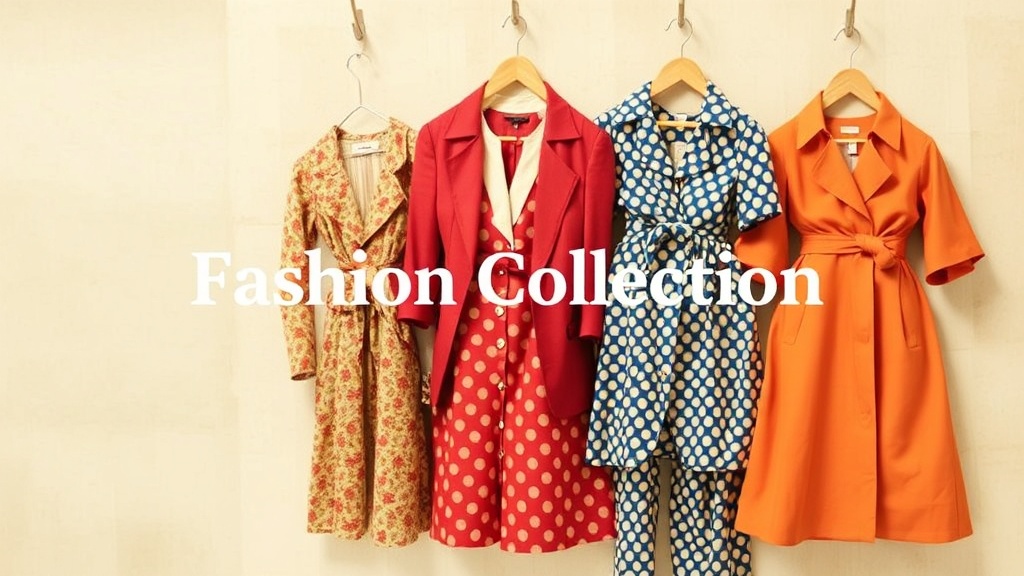
Shoppable lookbooks and short videos increase engagement and conversion.
How brands present curated collections effectively
Editorial storytelling lifts a collection from functional to desirable.
Lead with a narrative—what life the collection fits, what problem it solves, or what inspiration drove it.
Integrate behind-the-scenes content, designer notes, or real-customer outfits to deepen connection. On e-commerce sites, use filters and “shop the edit” modules to guide shoppers toward curated bundles and complete looks.
In email marketing and social, feature single-look posts and carousel shoppable tags that make it effortless to buy the entire outfit.
Personalization and data-driven curation
Personalization turns curated collections into individualized shopping experiences. Leverage browsing behavior and past purchases to display relevant edits—such as a “capsule built for your commute” or seasonal rotations tailored to the customer’s climate. Dynamic merchandising that surfaces the right curated edit at the right moment improves engagement and lifts conversion rates.
Sustainability and longevity
Curated collections can support sustainable shopping habits by encouraging slower, more intentional purchasing. Designing edits around versatility and quality promotes fewer, better pieces that serve multiple outfits. Brands can highlight materials, care instructions, and repair services to further align curated selections with conscious consumption.
Practical tips for creating your own curated fashion collection
– Start with a persona: Define the ideal customer’s lifestyle and needs.
– Build around anchors: Choose 3–5 versatile staples, then add 4–6 complementary pieces.
– Offer styling notes: Provide 3–5 outfit combinations per collection to inspire purchases.
– Bundle and price smartly: Offer a discount for buying the full edit to increase average order value.
– Promote cross-channel: Use lookbooks, Instagram reels, email features, and in-store displays to showcase the edit.
Curated fashion collections bridge inspiration and action. When executed with clear themes, strong visuals, and thoughtful personalization, they reduce choice paralysis, promote sustainable habits, and create memorable brand moments that keep customers coming back.