Curated Fashion Collections: How to Build, Shop, and Style a Sustainable Capsule Wardrobe
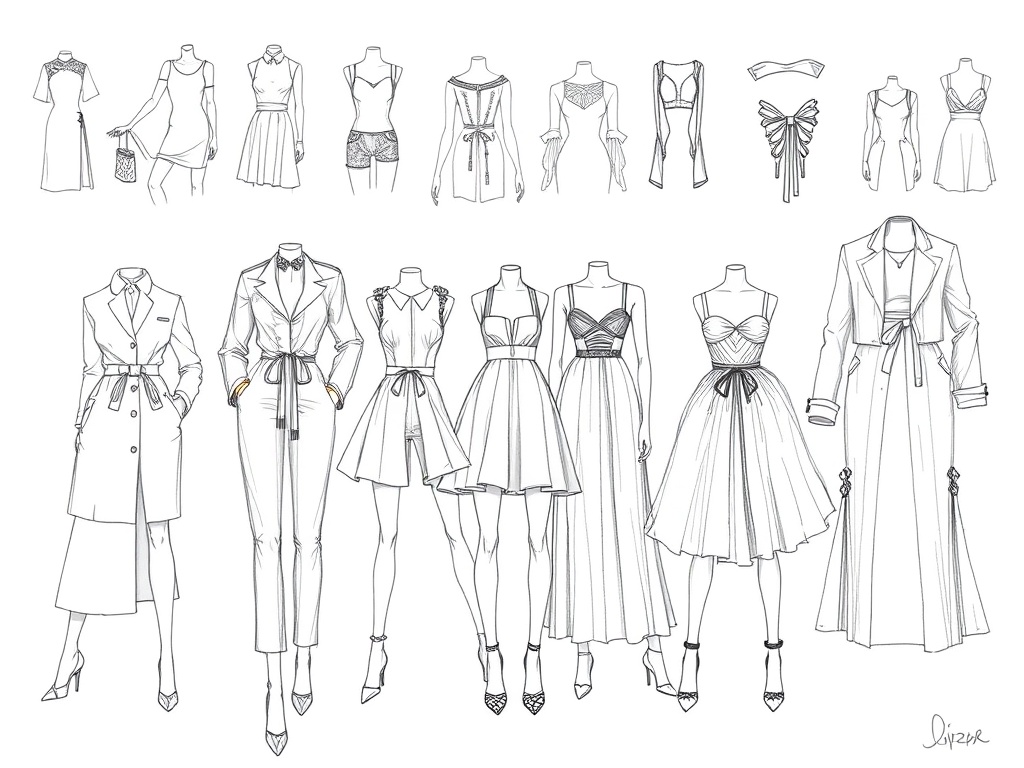
Curated fashion collections are reshaping how people discover, buy, and wear clothing. Whether built by an independent stylist, a boutique, or an online marketplace, a well-curated collection simplifies choices, amplifies personal style, and reduces wardrobe waste. Here’s how curated collections work, why they matter, and how to build or shop them smartly.
What makes a collection truly curated
A curated collection is more than a random assortment of trendy pieces.
It reflects a clear point of view—an aesthetic, lifestyle need, or functional brief—and offers cohesion through color, silhouette, and purpose. Curation prioritizes items that play well together, focusing on versatility, quality, and storytelling.
The result is a smaller set of garments that create many looks.
Why curated collections appeal now
– Less decision fatigue: Fewer, better-chosen options make dressing faster and more enjoyable.
– Better value: Thoughtful selection steers shoppers toward pieces that coordinate and last, reducing impulse buys.
– Sustainability: Curated sets encourage mindful purchasing, supporting circular fashion through resale, rental, and repair-first approaches.
– Personalization: Many modern platforms offer tailored capsules or stylist-led boxes that match individual measurements, budgets, and lifestyles.
How to build a curated collection (for shoppers)
1. Start with a closet audit: Pull everything out and test what you actually wear. Keep items that fit, flatter, and pair well.
2.
Define your style brief: Decide on your primary activities—work, casual, evening—and choose a palette of 3–5 colors plus 1–2 accent tones.
3. Choose core pieces: Invest in foundational items like a well-cut blazer, versatile trousers, a neutral knit, and a reliable outer layer. These are the anchors you’ll build around.
4. Add multipurpose pieces: Look for items that transition across contexts—dresses that layer, shirts that tuck or tie, and shoes that work day-to-night.
5. Prioritize fit and tailoring: A moderate tailoring investment can transform even affordable pieces into staples that look bespoke.
6. Rotate intentionally: Swap seasonal items to maintain freshness without overbuying. Consider renting for special occasions and buying from resale for limited-edition finds.
For brands and curators: best practices
– Tell a story: Pair product descriptions with mood imagery and styling suggestions to guide purchase decisions.
– Offer mixing and matching suggestions: Visual tools that show interchangeable looks boost conversion and perceived value.
– Use data-driven recommendations: Leverage customer preferences and purchase patterns to refine future selections and personalize drops.
– Embrace circularity: Incorporate resale, repair services, or rental options to extend product life and appeal to eco-conscious consumers.
– Limited drops and capsule releases: Small-batch collections create urgency and encourage thoughtful buying when supported by quality and transparency.
Where to shop curated collections
Look for boutiques and online platforms that emphasize editorial curation, stylist input, and clear sourcing information.
Many marketplaces now blend designer drops with resale and rental options, making it easy to find curated pieces that align with both aesthetic and ethical priorities.
Final thought
Curated fashion collections transform clutter into coherence. By focusing on fit, palette, and multipurpose design, shoppers can build wardrobes that save time, reduce waste, and better express personal style. Whether you’re assembling a capsule or shopping a stylist-made edit, curation is a practical route to smarter fashion.