Disrupting Fast-Fashion: How Independent Brands are Redefining the Fashion Industry
In the constantly evolving fashion landscape, independent fashion brands are shaping new trends and making waves in the industry.
Shifting away from mass-produced, fast-fashion norms, these brands are championing sustainability, diversity, and unique design aesthetics.
Independent fashion brands have created a niche that resonates with conscious consumers. As the fashion industry grapples with its environmental footprint, independent brands are leading the charge toward responsible manufacturing processes. Using ethically sourced materials, reducing waste, and promoting circular fashion, these brands are proving that style and sustainability can coexist.
From utilizing organic cotton and recycled fabrics to championing zero-waste production, independent brands are redefining the industry’s standards. Moreover, some brands have taken the initiative to disclose their supply chains, providing transparency for consumers who value ethical consumption.
However, sustainability isn’t the only arena where independent fashion brands are making their mark. They are also championing diversity and inclusivity, bringing an array of sizes, shapes, and identities to the forefront. By representing a wider spectrum of the population, these brands are challenging conventional beauty standards, heralding a fashion revolution that caters to all.
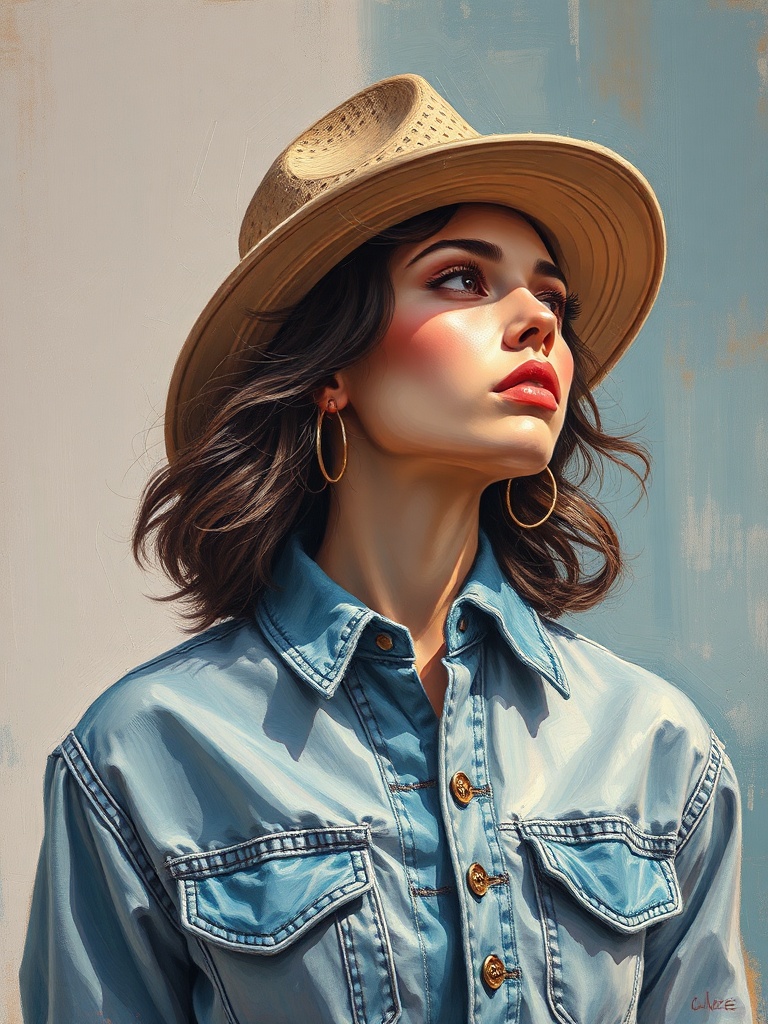
In terms of design, independent fashion brands are in a unique position to break away from the mainstream and experiment with unique aesthetics. With a focus on creativity over commerciality, these brands are producing innovative designs that stand out from the crowd.
Their collections often resonate with consumers looking for unique pieces that reflect their personal style rather than mass-market trends.
One of the key factors propelling the success of independent fashion brands is the rise of digital platforms. Online marketplaces have provided these brands with a global platform, enabling them to reach a wider audience. Social media, particularly platforms like Instagram and Pinterest, play a significant role in amplifying their visibility and connecting with potential consumers.
Additionally, the narrative and story behind independent brands often resonate with consumers looking for authenticity. The personal touch, the journey of the brand, the creator’s story – all of these elements contribute to forming an emotional connection with the consumer. These brands aren’t just selling clothes; they’re selling a story, a vision, and a lifestyle.
The emergence of independent fashion brands is reshaping the industry, offering consumers an alternative to mass-market brands.
However, the journey is not without challenges. From sourcing sustainable materials to competing against established brands with larger marketing budgets, these brands face numerous hurdles.
But the growth and success stories of independent fashion brands prove that they’re more than capable of overcoming these obstacles. With their focus on sustainability, inclusivity, creativity, and authenticity, they represent a promising future for the fashion industry.
To wrap it up, independent fashion brands are proving to be a force to reckon with.
They are shifting the industry’s focus from mass production to sustainability, from one-size-fits-all to inclusivity, and from mainstream to innovation.
By doing so, they’re not just redefining the fashion industry – they’re also shaping a more sustainable and inclusive future for all.