Embracing Digital Innovation in Fashion Retail: How Technology is Revolutionizing the Shopping Experience
In today’s fast-paced world, digital transformation in the fashion retail industry is challenging the status quo. With the rise of technology, businesses are continuously seeking innovative ways to revamp the customer experience, ensuring it is more personalized, engaging, and enjoyable than ever before.
Digital innovation is indeed dictating new trends in the fashion retail sector. From virtual fitting rooms to AI-powered personalized recommendations, retailers are leveraging technology to enhance customer experiences and drive sales.
This paradigm shift towards a more digitized retail environment is currently revolutionizing the way consumers shop for fashion.
One of the most fascinating advancements in recent times is the concept of virtual fitting rooms. This innovation allows shoppers to virtually try on clothes using augmented reality (AR), enabling them to see how garments will look on them without physically wearing them. This technology not only enhances the shopping experience but also significantly reduces return rates.
Artificial Intelligence (AI) is another groundbreaking technology currently making waves in the fashion retail industry.
AI-powered tools provide personalized product recommendations based on customers’ shopping habits, preferences, and previous purchases. This hyper-personalization results in a more curated shopping experience, helping retailers boost customer loyalty and retention.
In addition, data analytics is playing a pivotal role in understanding customer behavior and trends. Retailers who leverage data effectively can better predict fashion trends, manage inventory, and create targeted marketing strategies. This not only enhances the customer experience but also increases operational efficiency.
Moreover, retailers are also investing in mobile apps to provide a seamless omnichannel experience. These apps provide real-time inventory information, personalized alerts, and an easy checkout process. The integration of mobile apps into the shopping experience allows customers to shop at their convenience, whether at home or on the go.
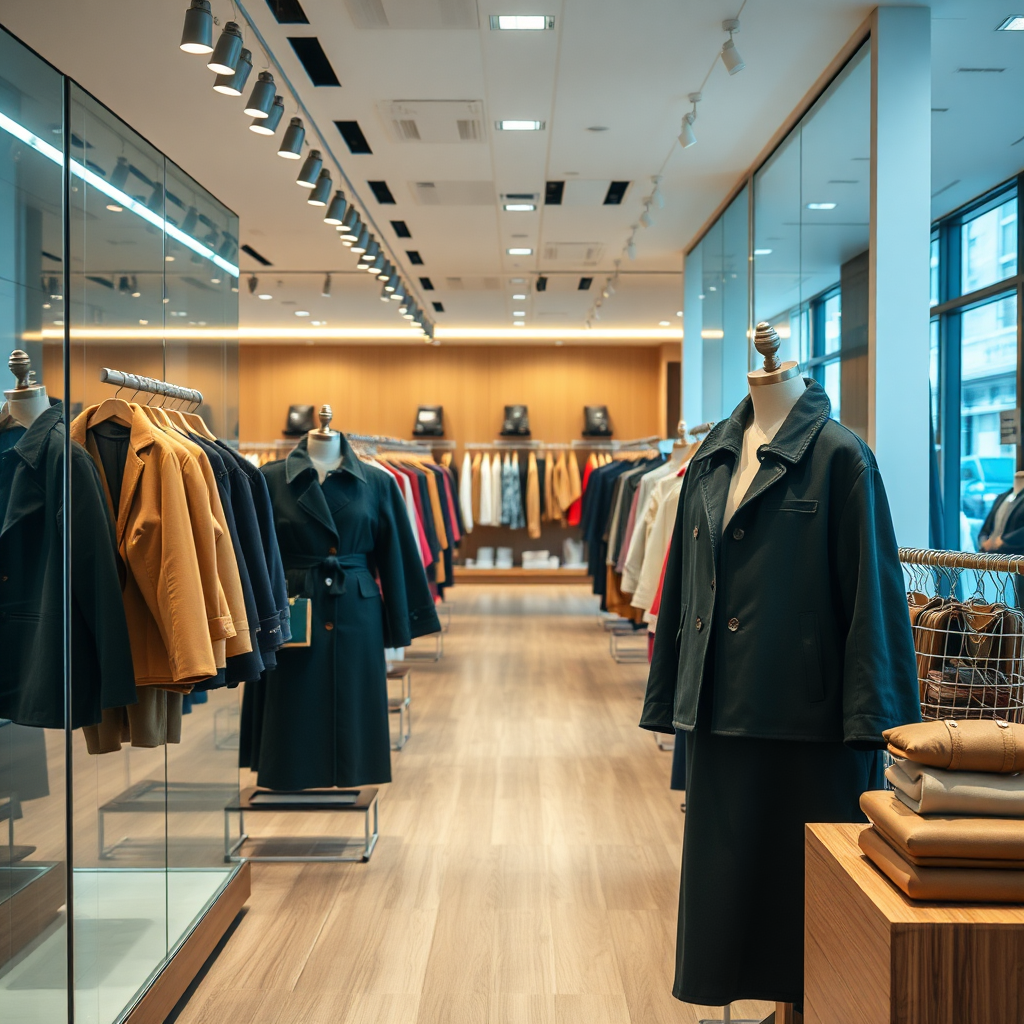
While digital innovation is transforming the shopping experience, the importance of the physical store remains undiminished. In fact, many retailers are blending digital and physical retail experiences to create a ‘phygital’ shopping environment. This approach combines the best of both worlds – the tangible experience of trying on and feeling products, with the convenience and efficiency of online shopping.
In this phygital retail era, technology is used to enhance the in-store experience. Interactive screens, smart fitting rooms, and mobile payment solutions are just a few examples of how retailers are digitizing the physical store environment.
These efforts aim to make the shopping process more enjoyable and efficient for customers.
While digital innovation is certainly shaping the future of the fashion retail industry, it’s crucial for retailers to remember that technology should serve to enhance, not replace, the human element of shopping. The most successful retailers will be those who manage to strike the perfect balance between leveraging technology and maintaining a personal touch with their customers.
In this ever-evolving retail landscape, embracing digital innovation is no longer an option but a necessity. As retailers continue to leverage technology to enhance the customer experience, the fashion retail industry is set to become more exciting, engaging, and customer-centric than ever before.