Experience-Driven Fashion Retail: Omnichannel, Personalization & Sustainability
The fashion retail experience is evolving from a transactional moment into a layered journey that blends digital convenience with tactile discovery. Today’s shoppers expect seamless connections between online and offline channels, thoughtful personalization, and retail environments that reflect brand values.
Retailers that design cohesive, sensory-rich experiences win loyalty and higher lifetime value.
Omnichannel as the backbone
Customers move fluidly between mobile browsing, social discovery, and in-store visits.
Omnichannel means more than having multiple channels—it requires consistent product information, unified inventory, and flexible fulfillment. Click-and-collect, curbside pickup, and same-day delivery reduce friction, while mobile point-of-sale and reserve-in-store options let sales associates convert interest into purchases without a long wait. The key metric is not channel-specific sales but the seamlessness of the journey.
Personalization without friction
Personalization increases conversion when it feels effortless and respectful. Use customer profiles, purchase history, and browsing behavior to curate recommendations across email, app, and in-store displays.
Avoid overreach: useful suggestions and tailored promotions should be privacy-forward, with clear opt-in controls.
In-store, tablet-based profiles or QR-enabled dressing rooms can surface relevant sizes, complementary items, or styling tips in real time.
Technology that enhances touchpoints
Practical tech choices elevate experience rather than overshadow it.
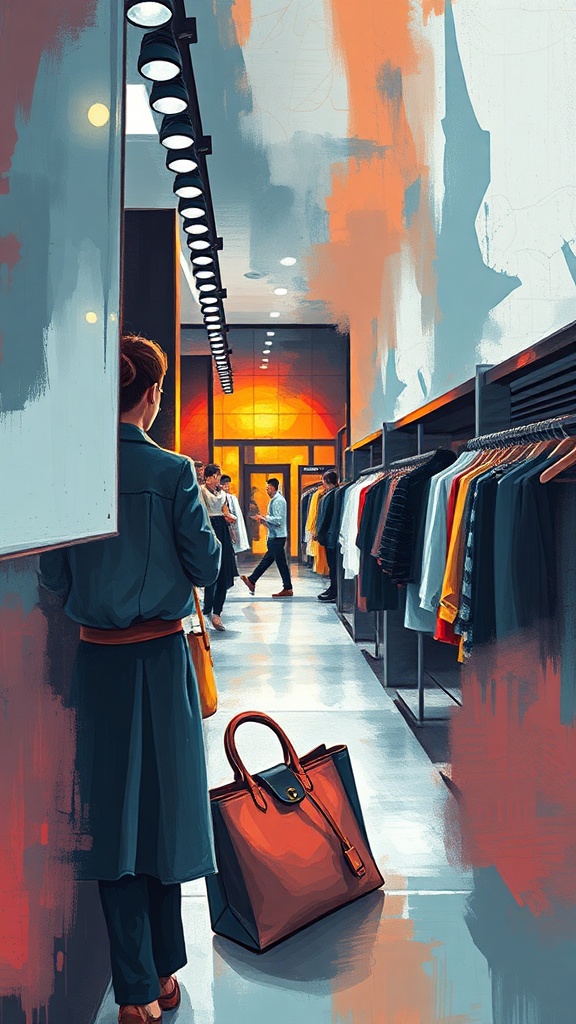
Virtual try-on and AR mirrors reduce returns and encourage experimentation, useful for on-the-go shoppers who still crave visual confirmation. RFID and real-time inventory systems keep stock accurate, improving fulfillment speed. Mobile checkout, contactless payments, and digital receipts simplify transactions and reduce queues. Use QR codes or shortlinks for instant product pages, care instructions, and loyalty enrollment.
Experience and storytelling
Stores should sell a lifestyle, not just merchandise. Layout, lighting, scent, and sound curate mood and reinforce brand identity. Rotating installations, limited-edition drops, and pop-up collaborations create urgency and social buzz, while workshops and styling sessions build community. Visual merchandising that tells a story around themes—seasonal palettes, sustainable materials, cultural moments—keeps displays fresh and shareable.
Sustainability as expectation
Sustainability has moved from niche to mainstream. Transparent sourcing, recyclable packaging, and repair services are increasingly part of the purchase decision. Offer clear information on materials and supply chains, and provide convenient take-back or resale programs to close the loop.
Sustainability initiatives should be verifiable and part of the broader brand narrative rather than a marketing afterthought.
Returns and reverse logistics
Easy returns are a competitive advantage, but they must be balanced with cost and waste. Offer multiple return options, such as in-store drop-off or prepaid mailers, and incentivize exchanges to retain revenue. Invest in refurbishment processes for resalable returns and partnerships for recycling or donation when resale isn’t viable.
People-first service
Technology supports but does not replace human connection. Well-trained staff who offer genuine styling advice and problem-solving turn shoppers into advocates. Empower store teams with mobile tools to check inventory, place orders, and manage customer profiles so they can focus on personalized engagement.
Measuring what matters
Track cross-channel customer lifetime value, repeat purchase rates, return rates, and net promoter score alongside conversion metrics.
Use A/B testing for messaging and layout changes, and gather qualitative feedback through in-store interviews or post-purchase surveys to understand emotional drivers.
The future of fashion retail is experiential, data-informed, and values-driven. Retailers that prioritize convenience, personalization, and authentic storytelling—while making sustainability and service tangible—create memorable experiences that keep customers coming back.