Fashion Retail Experience: Omnichannel, Personalization & Sustainable Strategies to Boost Loyalty
Fashion retail experience has moved beyond transactions. Today, shoppers expect seamless journeys that blend convenience, discovery, and meaning.
Brands that fine-tune every touchpoint—online and offline—build loyalty, increase lifetime value, and stand out in a crowded market.
Omnichannel integration: unify the journey
A true omnichannel approach treats every channel as part of one continuous experience. That means consistent inventory visibility, unified pricing and promotions, and smooth handoffs between mobile apps, web, social commerce, and physical stores. Practical moves:
– Offer buy-online-pickup-in-store (BOPIS) and curbside with clear lead times.
– Sync loyalty balances and returns across channels.
– Use QR codes and mobile notifications to bridge in-store displays with online content.
Personalization powered by customer intent
Personalization raises average order value when it’s relevant and respectful. Focus on intent signals—browsing behavior, repeat purchases, and wishlists—rather than overly aggressive cross-selling.
Best practices:
– Personalize homepages, email content, and product recs using behavioral segments.
– Surface size and fit guidance for fashion items to reduce returns.
– Keep options to opt out and be transparent about data usage to build trust.
In-store experience and visual merchandising
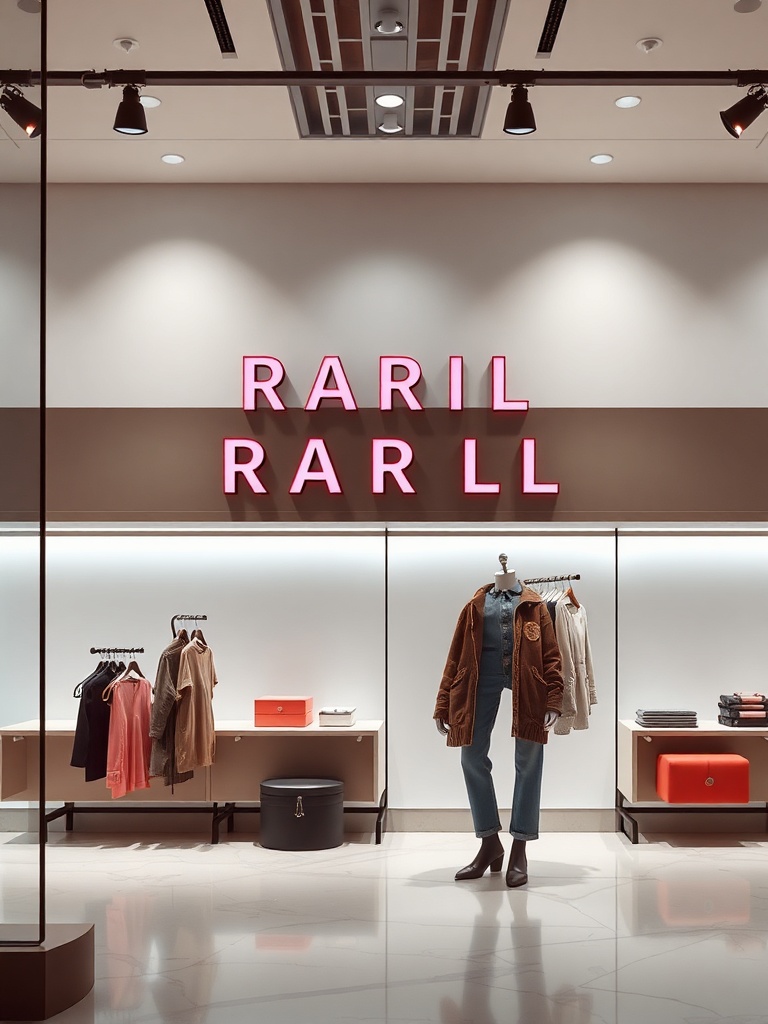
Physical retail remains indispensable for fashion because customers want to touch fabrics, try fits, and get immediate gratification. Elevate the in-store experience by:
– Designing modular, Instagram-friendly displays that tell product stories.
– Training store staff to be brand ambassadors who offer styling, not just transactions.
– Creating micro-experiences—pop-ups, collaborations, or limited drops—that generate foot traffic and social buzz.
Technology that enhances, not replaces, human touch
Technology should reduce friction while amplifying human strengths.
Useful implementations include:
– Virtual try-on (AR) for quick fit previews and mixing outfits.
– Contactless payments and digital receipts to speed transactions.
– Inventory and clienteling tools that give associates customer histories and preferences at their fingertips.
Sustainability and transparency as competitive advantages
Shoppers increasingly consider environmental and ethical practices when choosing brands. Communicate sustainability efforts clearly:
– Detail materials, supply-chain practices, and repair or recycling programs on product pages.
– Offer reusable packaging options or incentives for returns and repairs.
– Be candid about limitations and progress; authenticity matters more than perfection.
Returns, exchanges, and post-purchase care
Returns are a major cost center in fashion retail, but they’re also an opportunity to retain customers.
Improve post-purchase processes by:
– Simplifying return labels and offering multiple return channels.
– Using returns data to refine sizing guidance and inventory buys.
– Following up with personalized exchanges or styling suggestions to convert returns into replacements.
Measure what matters
Track metrics that reflect both experience and economics:
– Conversion rate across channels and device types.
– Average order value and repeat purchase rate.
– Net promoter score (NPS) and customer effort score (CES) for service interactions.
– Return rate by category and the percentage of exchanges vs.
refunds.
Actionable starting points
– Audit the customer journey to remove pain points from checkout to returns.
– Pilot personalization in emails and product recommendations before scaling.
– Invest in staff training and clienteling tools to boost in-store conversion.
– Publicize sustainability efforts with tangible metrics and next steps.
Creating a standout fashion retail experience requires balancing tech with human-centered service, delivering consistent omnichannel journeys, and aligning brand values with customer expectations. Small, targeted improvements across these areas compound quickly into stronger loyalty and healthier margins.