Fashion Retail Reinvented: Omnichannel Strategies, Personalization & Sustainable Experiences
The fashion retail experience has shifted from transactional to transformational. Shoppers expect more than a product; they want convenience, personalization, ethical choices, and moments that feel memorable. Brands that blend digital convenience with tactile, sensory retail are winning loyalty and driving higher lifetime value.
Omnichannel as a baseline
Customers move fluidly between channels.
A seamless connection between online catalogs, mobile apps, social shops, and physical stores is no longer optional — it’s the baseline. Clear inventory visibility, unified customer profiles, and consistent pricing and promotions create trust and reduce friction. Services like buy online, pick up in store (BOPIS), curbside pickup, and same-day local delivery meet needs for immediacy while keeping foot traffic alive.
In-store tech that enhances, not replaces
Technology should heighten the in-store experience, not distract from it.
Key tools include virtual try-on and smart mirrors that speed decision-making, RFID-enabled inventory for instant stock checks, and mobile point-of-sale for fast checkout. These solutions let store associates spend more time on styling and service instead of administrative tasks. Thoughtful layout, tactile displays, and sensory design remain essential — tech works best when it supports human connection.
Personalization without creepiness
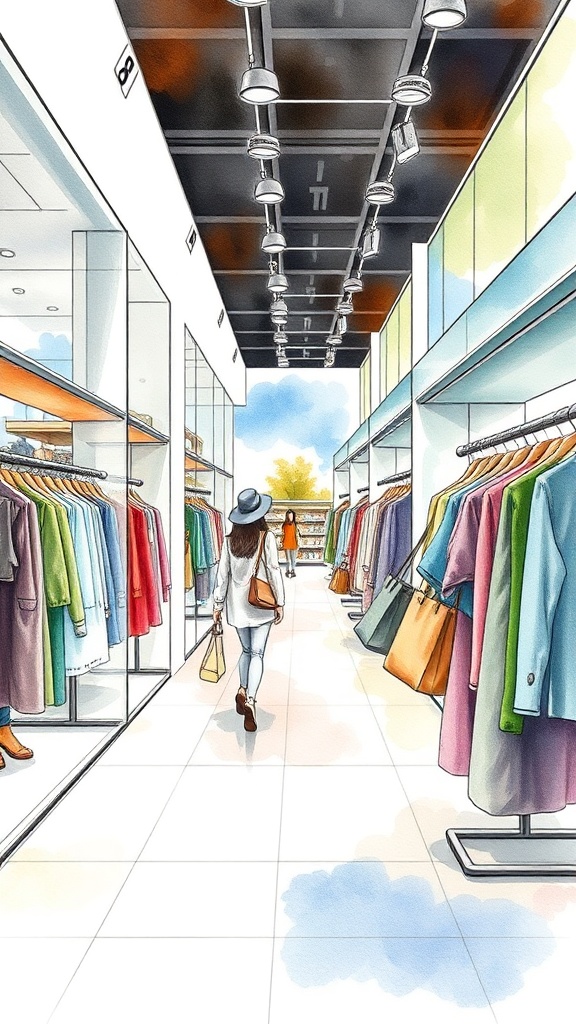
Shoppers appreciate tailored recommendations when they feel helpful and respectful. Personalization driven by purchase history, browsing behavior, and preferences can suggest the right size, complementary items, or a curated edit.
Transparency matters: allow customers to control data sharing and opt into communications. Loyalty programs that reward engagement and offer exclusive experiences are powerful ways to deepen relationships.
Sustainability and circular retail
Sustainability influences purchase decisions across demographics. Brands that prioritize durable materials, transparent sourcing, repair services, and take-back or resale programs earn trust. Circular initiatives — such as trade-in credits, certified resale platforms, and repairs offered in-store — transform one-time buyers into repeat customers while reducing waste. Communicating the impact of these programs in clear, relatable terms resonates more than vague claims.
Social commerce and community-driven discovery
Social platforms are powerful discovery engines. Shoppable content, short-form videos, and influencer collaborations help translate inspiration into purchase. Equally important is building community: in-store workshops, styling sessions, and local events create brand advocates.
Enable customers to share reviews, curated looks, and unboxing content easily — word-of-mouth remains one of the most persuasive signals.
Fulfillment and supply chain agility
Speed and accuracy in fulfillment are competitive advantages. Micro-fulfillment centers, flexible inventory allocation, and real-time stock updates reduce cancellations and returns. Clear communication about delivery windows, easy returns, and transparent shipping costs lowers purchase friction and increases conversion.
Practical steps for retailers
– Audit the customer journey to spot friction points across channels.
– Invest where it amplifies human skills: associate training, personalized styling, and in-store events.
– Make sustainability initiatives tangible: show the lifecycle impact and offer easy ways for customers to participate.
– Streamline fulfillment with visibility into inventory and flexible pickup/delivery options.
– Foster community through local events and social-first content that invites customer participation.
For shoppers, the best retail experiences offer choice: browse online with rich visuals, test in a store that feels inviting, and receive purchases on their terms. Brands that prioritize seamlessness, meaningful personalization, and ethical practices will shape the future of fashion retail by turning transactions into ongoing relationships.