Here are five SEO-friendly blog title options — pick one or mix elements to suit your audience:
Curated fashion collections are more than a shopping category — they’re a strategic way to simplify style, highlight craftsmanship, and create a more sustainable relationship with clothing.
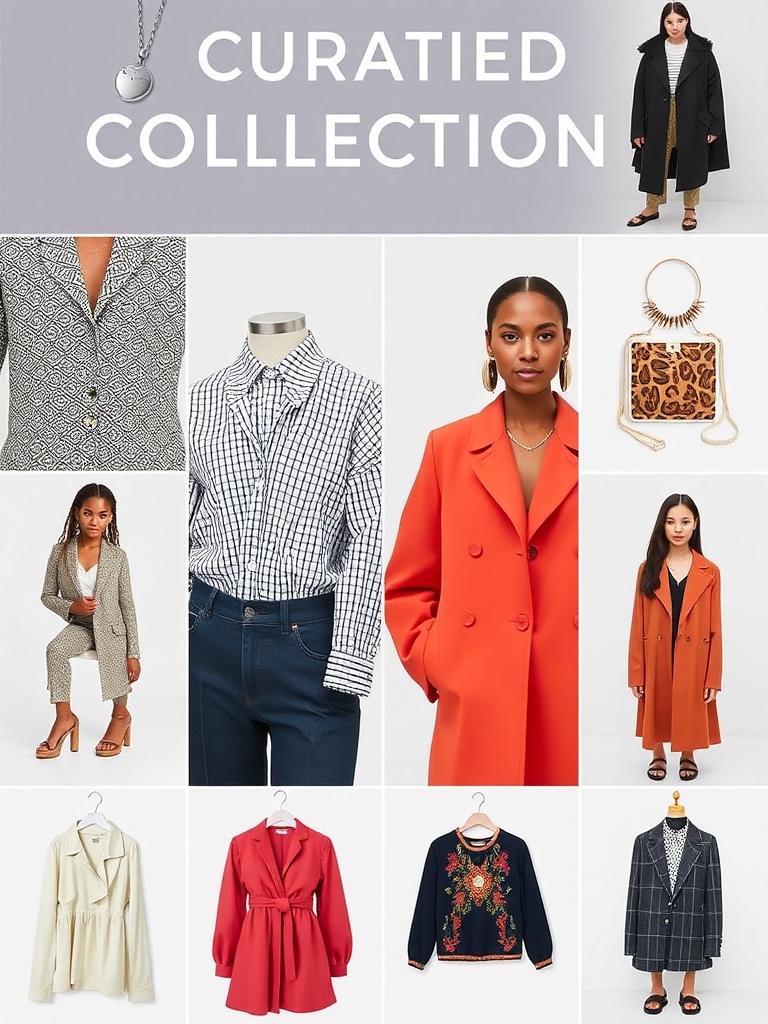
Whether assembled by a brand stylist, an independent curator, or a personal stylist service, curated collections make it easier to discover pieces that work well together, reflect a clear aesthetic, and reduce decision fatigue.
Why curated collections matter
– Time-saving: Shoppers get a ready-made edit that eliminates endless browsing and guesswork.
– Cohesion: Thoughtful color palettes, compatible silhouettes, and complementary fabrics mean items mix-and-match effortlessly.
– Discovery: Curators highlight emerging designers, unique materials, and elevated basics that might otherwise be missed.
– Sustainability: Focused edits encourage buying fewer, better-made pieces and support seasonless dressing.
Key trends shaping curated fashion
– Capsule and seasonless edits: Collections centered on a limited number of versatile pieces encourage long-term use rather than fast seasonal turnover.
– Circular fashion integration: Curated drops increasingly include vintage, refurbished, or resale items to extend garment life and offer unique finds.
– Size and style inclusivity: Curations that prioritize fit diversity and multiple style preferences attract a wider, more loyal audience.
– Story-driven edits: Collections that tell a narrative — whether travel-inspired, craft-focused, or work-to-weekend — create emotional connection and perceived value.
– Tech-enabled personalization: Retailers use customer preferences and shopping behavior to offer tailored edits, improving relevance and conversion.
How to evaluate a curated collection as a shopper
– Look for a clear concept: The best edits explain the theme, occasion, or wardrobe gap they solve.
– Check fabric and construction details: Curated collections tend to emphasize quality — look for natural fibers and neat finishing.
– Consider versatility: Favor items that work across multiple outfits and occasions.
– Transparency matters: Brands that disclose sourcing, sizing notes, and resale or repair options demonstrate longevity-focused thinking.
Tips for building a personal curated wardrobe
– Start with essentials: Invest in well-made staples (tailored outerwear, a neutral knit, a versatile dress or trouser) before adding statement pieces.
– Choose a cohesive palette: Limit your color range to two or three neutrals plus one or two accents to maximize mix-and-match potential.
– Prioritize fit and proportion: Tailoring inexpensive pieces can elevate looks and extend their lifespan.
– Rotate seasonless pieces: Store or repair rather than discard; learning basic garment care keeps the wardrobe sustainable.
For brands and curators: how to create compelling edits
– Define a clear hook: Whether it’s artisanal denim, workwear reinterpreted, or elevated loungewear, a strong concept drives interest.
– Curate for completeness: Offer outfits or “shop the look” groupings that cover head-to-toe needs and accessory pairings.
– Use storytelling and visuals: High-quality imagery and concise copy that explain why each piece belongs in the edit boost engagement.
– Offer limited runs and replenishment plans: Scarcity can drive demand, while predictable restocks encourage ongoing loyalty.
Curated fashion collections are a smart approach for anyone wanting a more intentional closet and for brands aiming to build meaningful connections with customers. They transform shopping into a thoughtful, less wasteful experience — one thoughtful edit at a time.