Here are five SEO-friendly blog title options (recommended: 1):
Local fashion communities are where creativity, commerce, and culture intersect—fueling trends, supporting small makers, and reshaping how people think about clothing. Whether you’re a designer, maker, stylist, or passionate shopper, these hyperlocal networks create meaningful connections that extend far beyond seasonal collections.
Why local fashion communities matter
– Economic support: Local designers and boutiques keep money circulating within neighborhoods, supporting jobs and unique retail scenes.
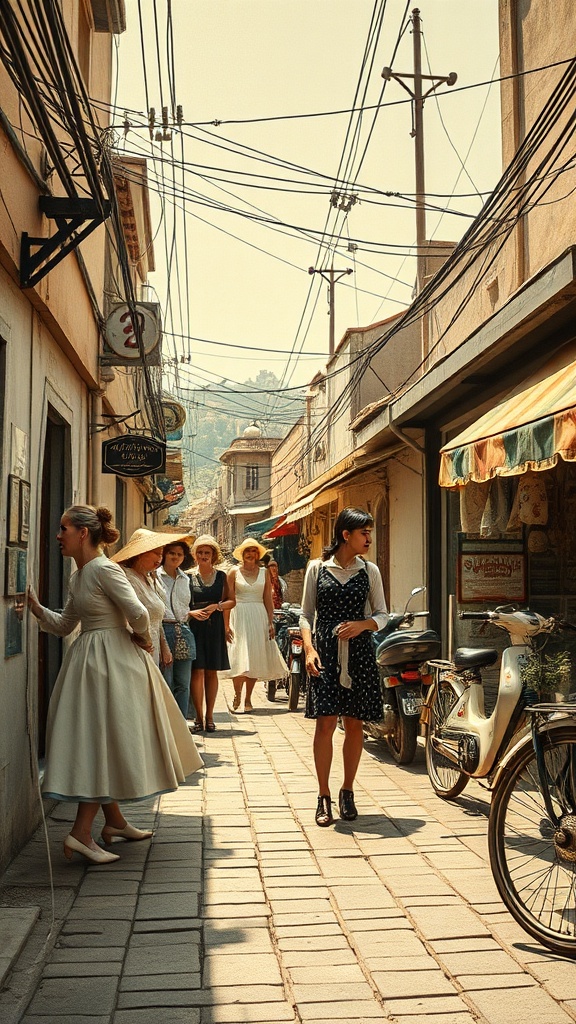
– Cultural identity: Community-driven style reflects local stories, heritage, and subcultures, giving neighborhoods a distinctive visual voice.
– Sustainability: Local production, repair, and resale reduce waste and transportation emissions, helping make circular fashion more attainable.
– Skill sharing: Workshops, maker spaces, and clothing swaps pass on sewing, patternmaking, and mending skills that are often lost in mass-market systems.
How communities form
Local fashion communities grow around physical and digital hubs: independent stores, shared studio spaces, pop-up markets, university programs, and social media groups. Collaboration is a hallmark—designers team up with photographers, stylists co-host events with vintage vendors, and makerspace nights bring together hobbyists and professionals. Events like open studios, sample sales, and repair cafes make fashion accessible and interactive.
Practical ways to get involved
– Attend local markets and pop-ups: These events are the best way to discover emerging designers and meet makers face-to-face.
– Join or start a meetup: Host a small, focused group for pattern swaps, trend discussions, or collaborative photoshoots.
– Volunteer at community fashion initiatives: Help organize shows, run repair tables, or mentor youth programs.
– Use social channels strategically: Share behind-the-scenes content, tag local partners, and use neighborhood hashtags to connect with nearby audiences.
– Host clothing swaps and repair events: Reduce consumption while building a loyal local network.
Supporting sustainability and inclusivity
Local fashion communities often lead with ethics.
Prioritizing transparent supply chains, living wages, and inclusive sizing strengthens trust. Community-run projects—like mending clinics and textile recycling drives—make sustainable habits practical for everyone. Inclusive events that welcome diverse body types, ages, and cultural backgrounds foster a richer creative ecosystem and broaden customer bases.
Collaboration models that work
– Collective retail spaces: Shared storefronts lower overhead for indie brands while offering customers a curated shopping experience.
– Designer-pop-up partnerships: Short-term collaborations with cafes, galleries, or boutiques create buzz and test new markets without long leases.
– Maker incubators: Residency-style programs provide workspace, mentorship, and sometimes micro-grants to help makers scale responsibly.
Measuring impact
Success in local fashion communities isn’t just sales-driven. Track community engagement through event attendance, workshop registrations, social interactions, and collaborative projects launched. Positive outcomes include stronger neighborhood identity, higher retention of creative talent, and measurable reductions in textile waste through repair and reuse programs.
Tips for organizers and brands
– Keep events accessible and affordable.
– Offer clear calls-to-action: signups, volunteer forms, and collaborative briefs.
– Partner with local cultural institutions to reach wider audiences.
– Document stories—profiles of makers, process videos, and customer testimonials—to build authenticity online.
Local fashion communities are vibrant ecosystems where creativity meets purpose. By focusing on collaboration, sustainability, and inclusivity, they offer resilient alternatives to mass consumption and cultivate meaningful relationships between people and the clothes they wear. Get involved, support local talent, and help shape a fashion scene that reflects the values and personality of your neighborhood.