Here are three SEO-friendly title options (recommended: A):
Local Fashion Communities: How Neighborhood Style Networks Drive Creativity and Sustainability
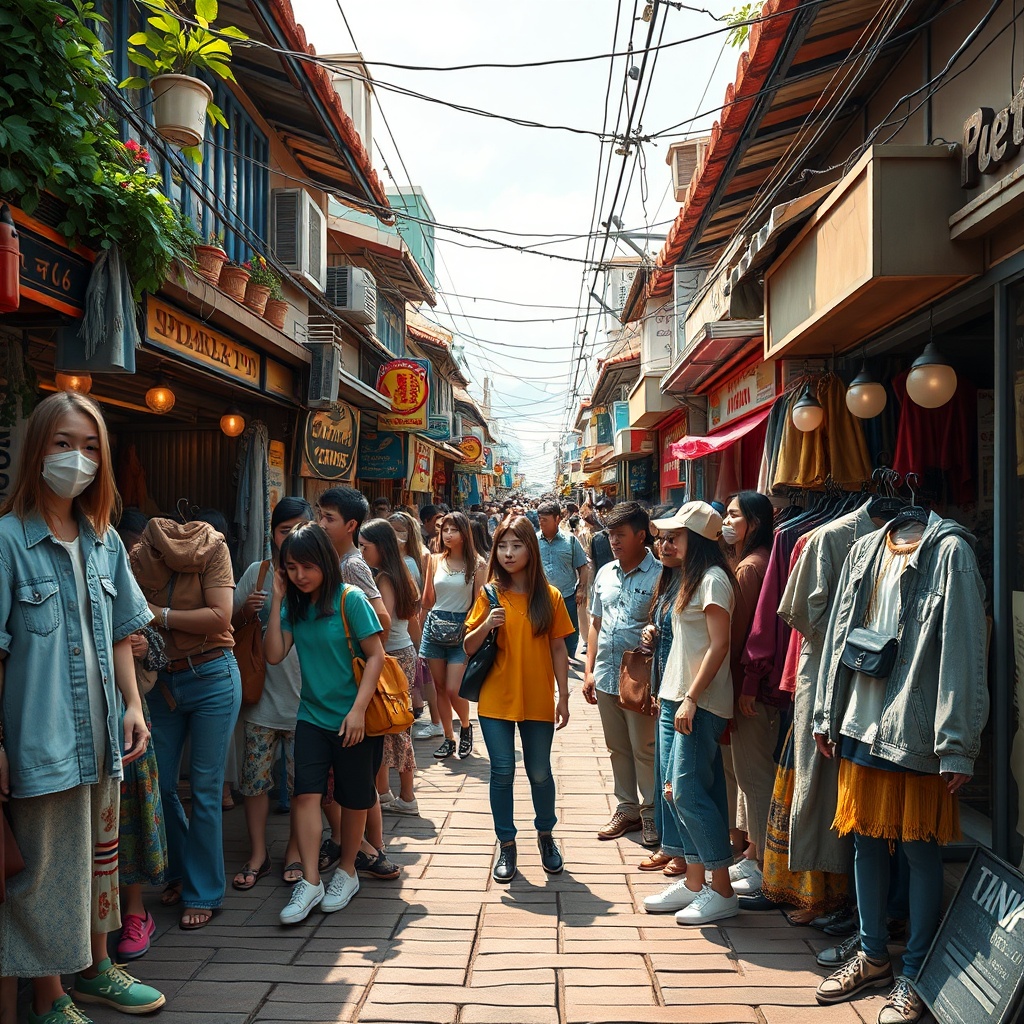
Local fashion communities are thriving hubs where designers, makers, shoppers, and enthusiasts connect to share ideas, trade pieces, and build lasting relationships. These grassroots networks transform how fashion is discovered and produced, offering an alternative to mass-market cycles and creating space for creativity, ethical practices, and economic opportunity.
Why local fashion communities matter
– Hyper-local relevance: Designers draw inspiration from neighborhood culture, climate, and materials, producing pieces that resonate more deeply with local customers.
– Sustainable impact: Community-driven initiatives like clothing swaps, mending cafes, and upcycling workshops extend garment life and reduce waste.
– Economic empowerment: Small labels, seamstresses, patternmakers, and textile artists find customers and collaborators without relying solely on large retailers.
– Diversity and inclusion: Local networks amplify underrepresented voices, showcasing styles and stories that mainstream fashion often overlooks.
Ways to engage with or build a local fashion community
– Host regular meetups: Pop-up markets, open studios, and street fairs make discovery tactile and social. Keep events affordable and accessible to encourage broad participation.
– Create skill-share nights: Sewing circles, pattern-drafting workshops, and mending clinics teach practical skills, lower barriers to garment care, and foster mentorship.
– Organize clothing swaps and repair cafés: These events promote circular fashion, reduce consumption, and introduce people to local makers who can repair or alter garments.
– Launch a digital hub: A neighborhood Instagram page, Discord server, or Facebook group helps members promote events, list collaborative needs, and sell locally made goods.
– Partner with civic spaces: Libraries, community centers, and coworking spaces can host exhibitions, mini-runways, and pop-ups, making fashion accessible beyond boutiques.
Collaboration strategies that work
– Micro-collections: Designers team up with local artists or craftspeople (embroidery, print, leatherwork) for limited runs that tell a neighborhood story.
– Cross-promotion: Boutiques, cafes, and galleries trade window space and social posts to reach overlapping audiences cost-effectively.
– Shared production resources: Cooperative access to sewing machines, cutting tables, or sample-making services lowers startup costs and speeds product development.
– Mentorship networks: Established makers mentor emerging designers on pricing, sourcing, and sustainable practices, strengthening the local ecosystem.
Digital tools that amplify local reach
– Social platforms for discovery: Instagram and short-form video apps spotlight voice and process; use geotags and neighborhood hashtags to attract local followers.
– Community marketplaces: Localized listings (neighborhood groups, community marketplaces) connect buyers and sellers without inflated shipping barriers.
– Event platforms and RSVP tools: Simple ticketing and scheduling make pop-ups and workshops easier to manage and promote.
Measuring success and scaling thoughtfully
Track engagement through event attendance, social interaction, repeat customers, and collaborative outputs (workshops run, collections launched).
Prioritize sustainable growth—expand programming and partnerships only after demand and community capacity align.
Local fashion communities strengthen culture, reduce environmental impact, and create economic pathways for makers.
Whether joining a swap, hosting a pop-up, or starting a sewing circle, participating in neighborhood fashion networks turns style into a shared, sustainable practice that benefits everyone involved.