How Boutique Fashion Retailers Can Stand Out: Curation, Omnichannel Experiences & Sustainable Storytelling
Boutique fashion retail is thriving on authenticity, curation, and memorable experiences. Shoppers increasingly seek pieces that tell a story, fit their lifestyle, and feel exclusive — opportunities boutique owners can leverage to stand out from mass-market competitors.
Why curation wins
Curated collections are the backbone of successful boutique retail. Rather than stocking everything, focus on a clear aesthetic and customer persona. Curated assortments drive perceived value, simplify buying decisions, and make merchandising easier.
Use seasonal edits, capsule collections, and limited drops to create urgency without relying on broad discounting.
Create an omnichannel customer experience
A seamless omnichannel presence is essential. Ensure product pages reflect in-store inventory, offer click-and-collect, and keep social media shoppable.
Small fashion boutiques can use live shopping events, virtual styling sessions, and behind-the-scenes content to connect online visitors with the in-store vibe. Mobile-first design and fast, straightforward checkout reduce friction and boost conversion.
Personalization and technology
Personalization increases loyalty.
Start with simple systems: email segmentation based on purchase history, recommended items on product pages, and post-purchase follow-ups with styling tips. Inventory and POS systems that sync online and offline data make personalized outreach more accurate. Consider lightweight CRM tools and integrated analytics to track lifetime value and churn.
Make retail experiential
Boutiques that double as lifestyle destinations build stronger emotional bonds. Host styling workshops, trunk shows, artist collaborations, or pop-up partnerships with cafés or local makers.
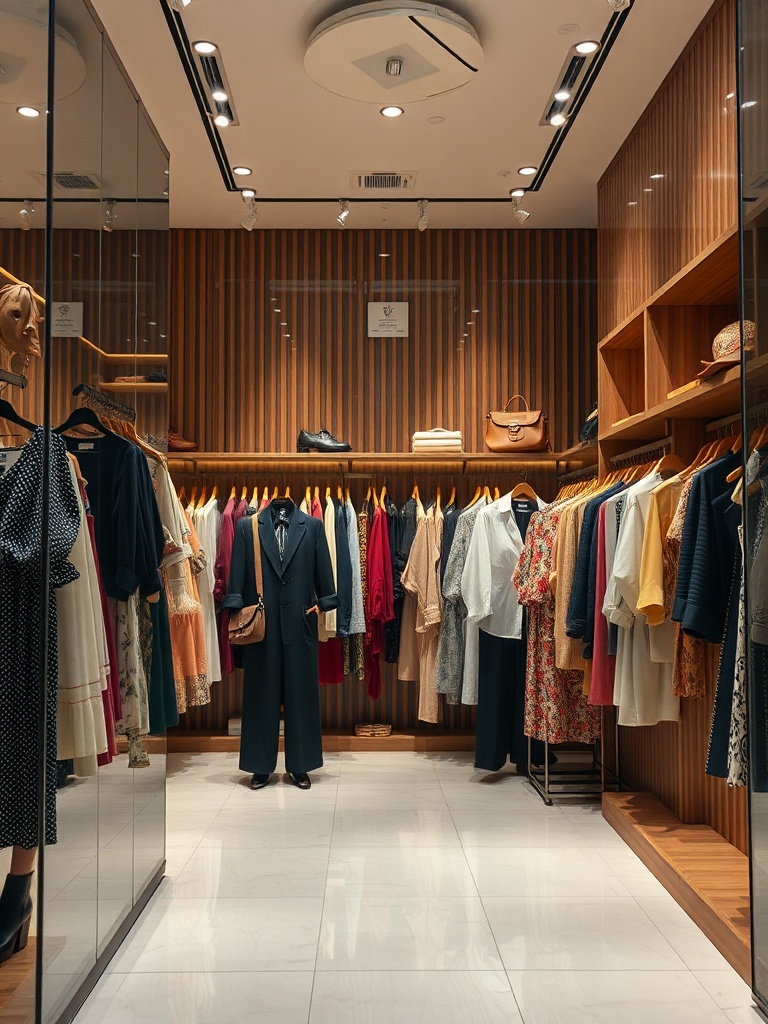
Thoughtful visual merchandising, scent, music, and comfortable fitting rooms create an immersive environment that encourages longer visits and higher spend.
Sustainability and transparency
Sustainability resonates with fashion shoppers. Highlight responsible sourcing, limited-production runs, and garment care instructions to extend product life.
Transparent messaging about materials and maker stories builds trust and differentiates the boutique from fast-fashion offerings. Even small steps—repair programs, recycling drop-offs, or locally made collections—can shape brand identity.
Community and storytelling
Boutique retail thrives on community. Use newsletters, social media, and in-store events to foster a sense of belonging. Share customer spotlights, behind-the-scenes maker stories, and styling ideas that reinforce the brand voice. Collaborations with local influencers or micro-influencers can amplify reach without large ad spend.
Operational tips for profitability
Inventory discipline is crucial: prioritize turnover over sheer depth, negotiate flexible vendor terms, and use data to inform reorders. Price for margin rather than matching discounts, and create tiered loyalty incentives to encourage repeat visits. Efficient store layouts, staff training on selling techniques, and clear KPIs (conversion, average transaction value, return rate) keep performance measurable.
Practical next steps
– Audit your assortment and pare down to a focused core.
– Sync POS and e-commerce inventory to avoid oversells.
– Launch one experiential event or collaboration each quarter to drive traffic.
– Implement simple personalization tactics in email and on-site recommendations.
– Communicate sustainability and provenance clearly on product pages and tags.
Boutique fashion retail rewards creativity, agility, and authenticity. Small retailers who balance curated product curation with seamless technology and meaningful customer experiences can build loyal communities, healthy margins, and a distinct place in the market. Start small, iterate based on customer feedback, and prioritize the experiences that keep people returning.