How Boutique Fashion Retailers Can Thrive: Curation, Experience, Smart Tech & Community
Boutique fashion retail thrives on personality, curation, and connection. While big brands dominate mass channels, independent boutiques win hearts by offering unique edits, memorable in-store moments, and authentic stories. Here’s how boutique retailers can sharpen their edge and attract loyal shoppers.
Why curation matters
Shoppers visit boutiques for discovery—pieces they can’t find in department stores or fast-fashion chains. A sharply edited assortment that reflects a clear aesthetic reduces decision fatigue and builds brand identity.
Focus on complementary collections rather than stocking everything: limited runs, exclusive collaborations, and capsule collections keep the floor feeling fresh and collectible.
Create an unforgettable experience
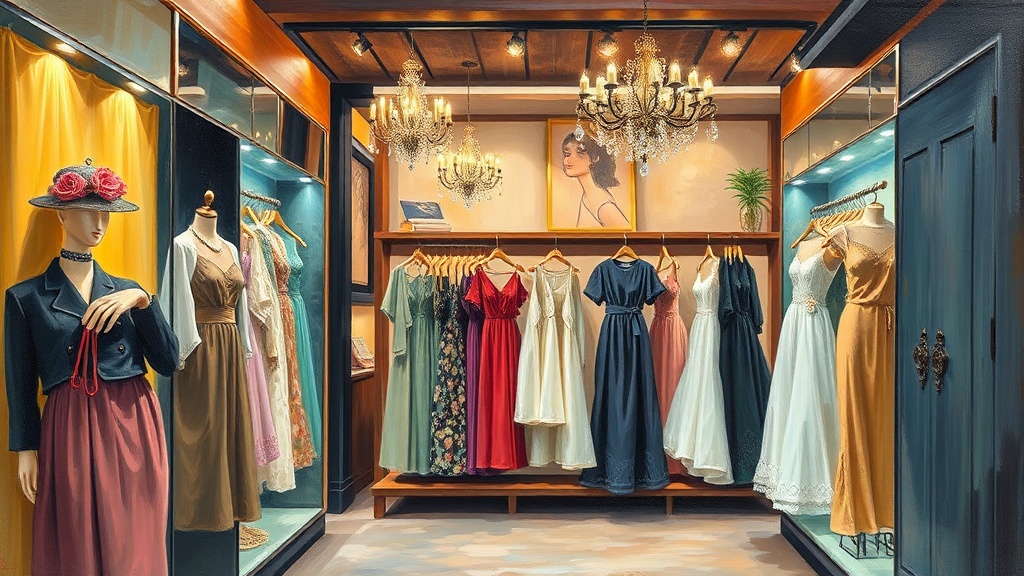
Boutiques succeed by turning shopping into an event. Invest in sensory details—lighting that flatters garments, a signature scent, well-thought-out fitting rooms, and attentive but unobtrusive staff. Layer experiences like styling sessions, trunk shows, and private shopping hours to deepen loyalty. Consider small touches such as gift wrapping, personalization, or handwritten notes to elevate perceived value.
Blend brick-and-mortar with smart tech
Omnichannel capability is essential. Make inventory visible online, offer local pickup and easy returns, and use QR codes to surface product stories, fabric details, or styling videos.
Tools like mobile POS systems enable seamless checkout anywhere in the store.
Emerging features—virtual try-on, AR filters, and livestream shopping—can be tested selectively to extend reach without losing boutique charm.
Embrace sustainability and circularity
Conscious consumers gravitate to boutiques that prioritize transparency and sustainability. Highlight responsible sourcing, natural fibers, and small-batch manufacturing. Incorporate resale and repair services: selling carefully curated pre-owned pieces or offering mending clinics can reinforce a circular brand ethos and broaden customer touchpoints.
Build community and local partnerships
Boutiques are community hubs. Host workshops with local artisans, co-curated pop-ups, or styling nights with nearby salons and cafes. Collaborations with local influencers, photographers, and micro-designers amplify reach while keeping content authentic.
Loyalty programs that reward advocacy—such as referral credits or exclusive access—turn customers into brand ambassadors.
Merchandising and inventory strategies
Rotate stock strategically: fast-moving core pieces should be replenished, while seasonal or statement items should be limited to create urgency.
Use sales data and customer feedback to inform buys, but leave room for serendipity—those one-off finds that define a boutique’s personality. Price for margin and story; customers are willing to pay for craftsmanship and exclusivity.
Smart marketing for boutique budgets
Content is currency. Invest in high-quality imagery and short-form video that showcases how pieces move and feel. Social commerce works well when combined with real-life events: tease new arrivals via stories, host live styling sessions, and use shoppable posts to shorten the path to purchase.
Email remains effective—send targeted drops, restock alerts, and curated lookbooks to segmented lists.
Measure what matters
Track metrics that reflect boutique goals: customer lifetime value, repeat purchase rate, conversion of local pickup, and attendance at in-store events. Qualitative feedback—reviews, in-person conversations, and social mentions—often reveals trends before numbers do.
Actionable starting points
– Audit your assortment for cohesion and uniqueness.
– Host one community event this month to drive foot traffic.
– Enable local pickup and make inventory visible online.
– Start a repair or resale program to deepen sustainability claims.
Boutique fashion retail wins when product, place, and people align. By leaning into curation, experience, and community while using technology thoughtfully, independent retailers can create a compelling alternative to the mass market and build lasting customer relationships.