How Boutique Fashion Retailers Win: Curation, Community, Experience & Omnichannel Strategies
Boutique Fashion Retail: How Independent Stores Win with Curation, Community, and Experience
Boutique fashion retailers occupy a unique and resilient space in the retail landscape by offering curated selections, personal service, and distinctive experiences that big-box players can’t replicate.
Success hinges on three pillars: thoughtful curation, a strong community connection, and seamless omnichannel execution.
Curation and product storytelling
Boutiques thrive by narrowing the field. Carefully curated assortments—whether focusing on local designers, sustainable labels, or niche aesthetics—reduce choice overload and create a clear point of view that attracts loyal customers. Product storytelling enhances perceived value: highlight craftsmanship, explain material choices, and share the maker’s story through both in-store signage and product pages.
Limited runs and small-batch drops add urgency and exclusivity, encouraging repeat visits and boosting word-of-mouth.
Customer experience as a differentiator
Personalized service remains a major advantage.
Staff who can style, suggest outfits for specific occasions, and remember returning customers’ preferences transform transactions into relationships. Appointment shopping and private styling sessions cater to buyers seeking privacy or a high-touch experience. Events—trunk shows, styling nights, or collaborative pop-ups with local artists—convert browsing into community-building moments and create shareable social content.
Omnichannel and seamless frictionless shopping
Today’s boutique shopper expects a frictionless path between online and offline. Optimizing website search, keeping product availability accurate across channels, and offering local fulfillment options like buy-online-pickup-in-store or curbside pickup are essential.
Mobile-first design, fast checkout, transparent shipping, and simple return policies reduce abandonment and support customer trust. Integrating inventory data with point-of-sale systems ensures the right items are available where customers look for them.
Sustainability and circular retail
Sustainability resonates with boutique audiences. Prioritizing ethically made collections, transparent sourcing, and durable design builds credibility. Many boutiques successfully integrate resale or rental services—either in-house or via partnerships—to extend garment lifecycles and attract eco-conscious shoppers. Promoting repair services or offering take-back programs can further position a store as a responsible curator.
Community, partnerships, and local marketing
Local partnerships amplify reach.
Collaborate with nearby cafés, salons, or cultural venues for cross-promotion and events. Micro-influencers—trusted local creators with engaged audiences—often provide better return on investment than broad celebrity campaigns.
Loyalty programs that reward repeat visits or social sharing, plus segmented email campaigns that highlight new arrivals or exclusive offers, keep customers engaged without overwhelming them.
Merchandising and visual identity
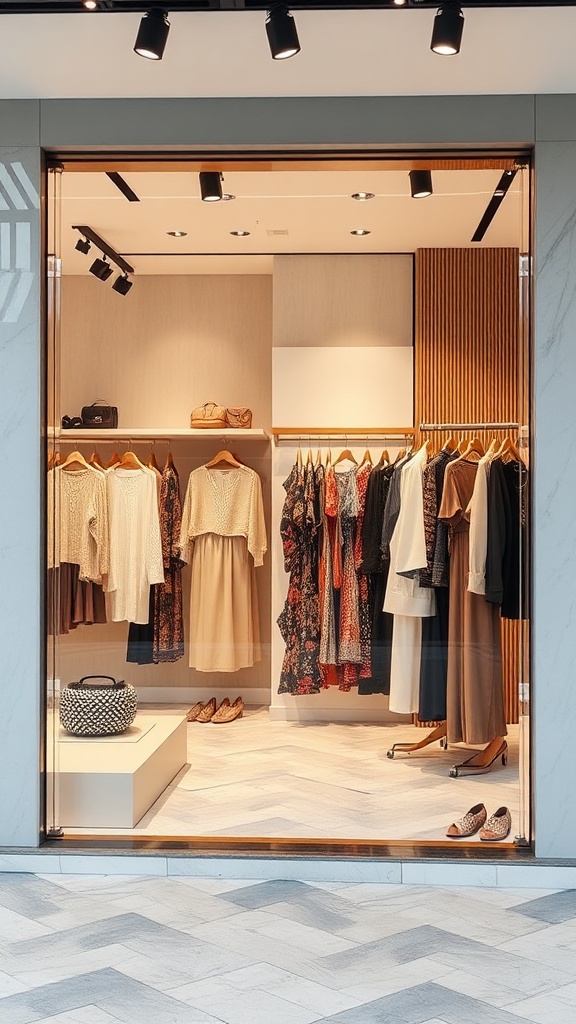
Strong visual merchandising guides the shopper through the space.
Use cohesive color stories, layered displays, and lifestyle vignettes to help customers imagine how pieces fit into everyday life. Consider adjustable layouts that let the store feel fresh with each season or collection drop. Lighting, scent, and music should align with your brand persona—subtle sensory cues reinforce brand memory and can lengthen dwell time.
Data-driven decisions without overcomplication
Small retailers can benefit from simple analytics: track bestsellers, monitor conversion rates, and note which styles sell better in-store versus online.
Inventory turnover metrics inform reorders and prevent markdowns. A lightweight CRM helps personalize outreach and manage customer preferences without requiring heavy technical investment.
Boutique fashion retailers that combine a clear curatorial voice, memorable experiences, and thoughtful omnichannel execution are well positioned to attract discerning shoppers. By treating every interaction as an opportunity to tell a story and build community, independent stores can cultivate loyalty that withstands shifts in the broader market.