How Boutique Fashion Retailers Win: Curation, Personalization & Omnichannel Commerce
Boutique fashion retail thrives on individuality, discovery, and a personal touch that larger retailers struggle to replicate. For independent shops and small chains, success comes from blending curated product assortments with smart technology, memorable experiences, and strong community ties.
Why curation wins
Customers visit boutiques to find pieces that feel unique and thoughtfully selected. A tight, coherent assortment—rather than stocking every trend—creates a distinctive brand identity. Focus on complementary items that encourage outfit-building and higher average transaction values. Limited runs, exclusive collaborations, and maker-focused collections amplify scarcity and desirability.
Experience as a competitive edge
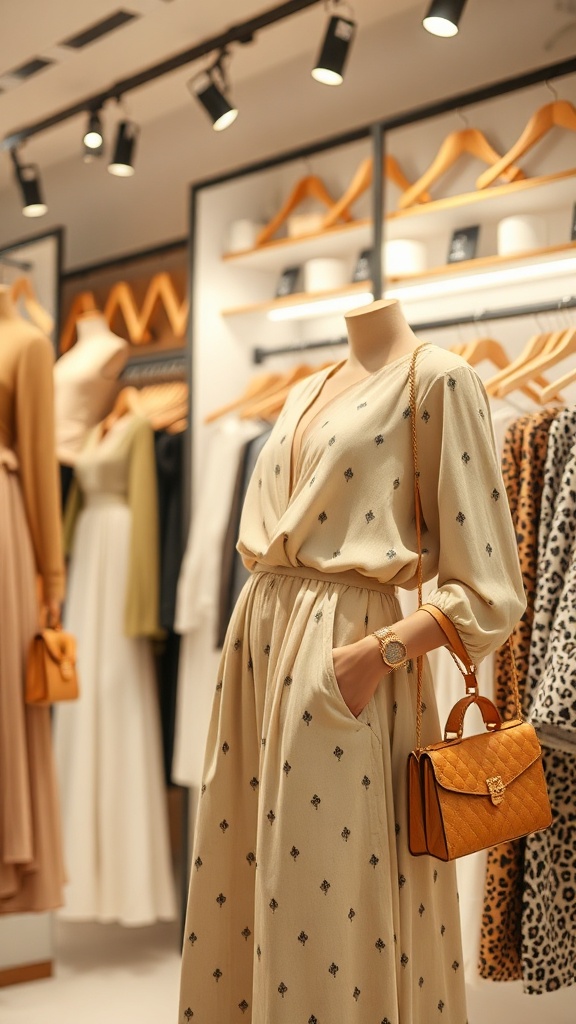
The physical space is more than display; it’s storytelling. Invest in visual merchandising, lighting, and sensory details like scent and music that match your brand. Offer appointment shopping, private styling sessions, or small in-store events to deepen relationships. Pop-ups and trunk shows introduce new designers and test demand without long-term inventory commitments.
Omnichannel, not optional
Customers expect seamless transitions between online and offline.
Use an integrated point-of-sale and inventory system so product availability is accurate across channels. Offer click-and-collect, easy returns, and local delivery to remove friction. High-quality product photography, 360-degree views, and clear fit information reduce returns and build trust when shoppers can’t try items in person.
Leverage social commerce and content
Social platforms are discovery engines for fashion. Prioritize short-form video and shoppable posts to turn inspiration into sales. Host live shopping sessions or styling tutorials to demonstrate fit and fabric, answer questions in real time, and create urgency. User-generated content and customer reviews provide social proof—feature real customers in your feed and on product pages.
Sustainability and transparency sell
Today’s shoppers increasingly care about how garments are made. Highlight sustainable practices, transparent sourcing, and care instructions. Small-batch production, slow fashion labels, and local artisans resonate with values-driven buyers and provide compelling storytelling angles for marketing.
Personalization and clienteling
Treat customers like individuals. Collect preference data through loyalty programs, purchase history, and casual in-store conversations. Use segmented email and SMS campaigns to share curated picks, restock alerts, and exclusive offers. A well-trained sales team using clienteling tools can increase repeat purchases and lifetime value by offering tailored recommendations and remembering size or style preferences.
Smart inventory strategies
Manage cash flow and shelf space with a mix of core staples and trend-driven capsule collections.
Use sell-through metrics to guide reorders and markdowns—avoid overcommitting to untested styles. Collaborations with local designers or limited-edition drops create buzz without long-term risk.
Packaging and post-purchase experience
Packaging is the last impression and a prime branding opportunity. Thoughtful wrapping, handwritten notes, and easy returns create loyalty and generate social shares. Encourage customers to tag your boutique when they post unboxing or outfit photos to extend organic reach.
Practical next steps for boutique owners
– Audit your inventory and cut underperformers.
– Integrate POS, e-commerce, and inventory management.
– Build a small content calendar for social media and email.
– Host a themed event or collaboration to attract local media and influencers.
– Train staff on clienteling and product storytelling.
Boutique fashion retail succeeds by emphasizing distinctiveness and relationships. When curated product, frictionless commerce, and authentic experiences align, small retailers can create loyal communities that return again and again.