How Boutique Fashion Retailers Win Customers: Curation, Immersive Experience & Omnichannel Strategies
Boutique Fashion Retail: How to Win Customers with Curation and Experience
Boutique fashion retail thrives on a promise mainstream brands often can’t keep: carefully curated style, personal service, and a sense of discovery. Today’s shoppers expect more than transactions — they want meaningful connection, craftsmanship, and convenience. Boutiques that balance unforgettable in-store experiences with smart digital strategies are positioned to outperform larger competitors.
What sets successful boutiques apart
– Curated assortments: Narrow, intentional product mixes reduce decision fatigue and elevate perceived value.
Stock distinctive designers, limited-edition collaborations, and local makers to create a signature edit customers can’t find elsewhere.
– Personalization and service: Offer one-on-one styling, tailored recommendations, and follow-ups that make customers feel known. A simple client profile with fit notes and purchase history goes a long way.
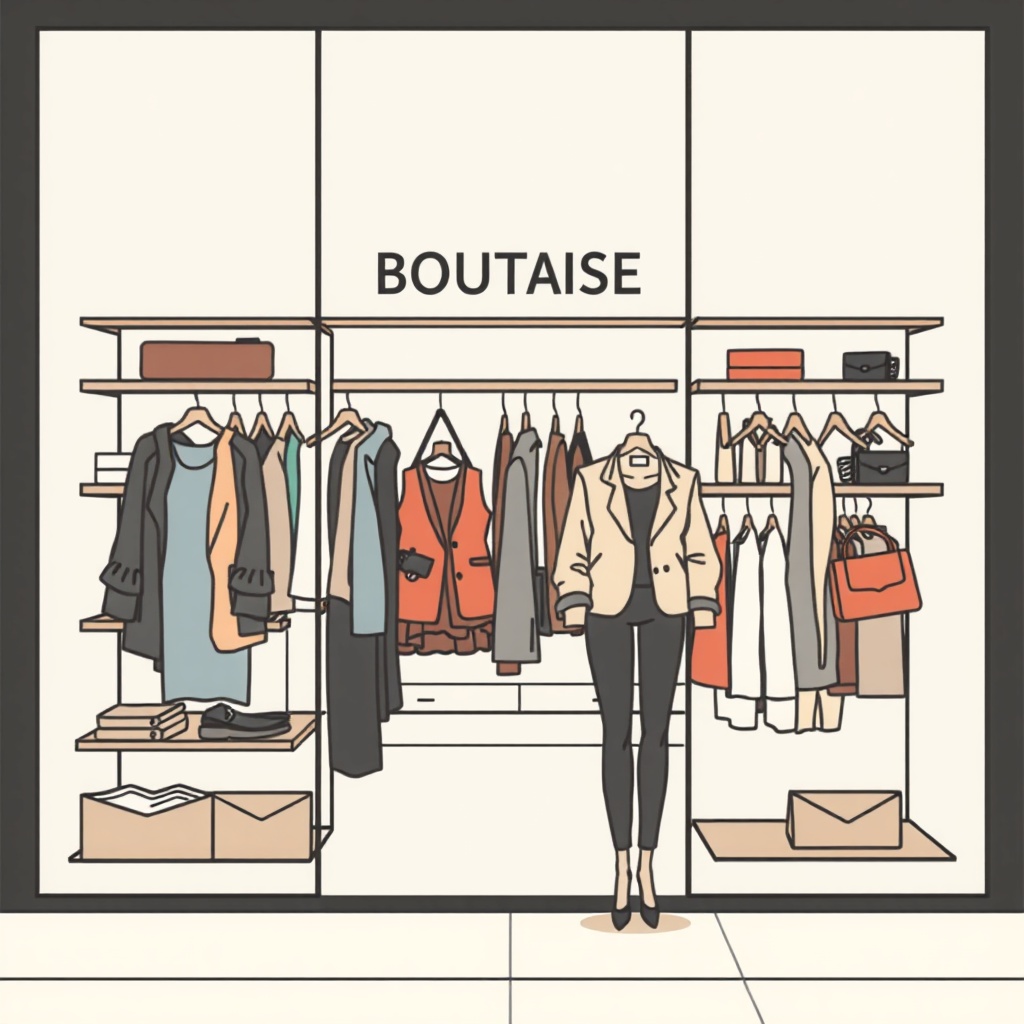
– Immersive retail: Use sensory design, thoughtful lighting, and tactile displays to turn browsing into an experience. Pop-up shows, trunk events, and in-store workshops build loyalty and drive foot traffic.
Omnichannel without compromises
Seamless omnichannel operations are essential.
Ensure inventory sync across online and offline channels, enable buy-online-pickup-in-store (BOPIS), and make returns frictionless. Mobile-optimized shopping, shoppable social posts, and livestreamed product demos let boutiques meet customers where they already spend time.
Sustainability and transparency
Many shoppers prioritize sustainability and ethical production. Highlight eco-friendly fabrics, transparent supply chains, and repair or take-back programs. Small-batch production and made-to-order offerings reduce overstock while reinforcing the boutique’s commitment to quality and responsibility.
Community and storytelling
Boutiques are community hubs when they cultivate relationships. Host events that resonate with your audience — styling nights, panel talks with designers, or local artist collaborations. Use storytelling across product pages and social channels: founder backstories, maker spotlights, and detailed garment care tips deepen emotional connection and justify premium pricing.
Smart merchandising and inventory tactics
– Limited drops and exclusives: Create urgency and buzz by releasing small, curated collections regularly.
– Data-informed buying: Track sell-through rates and customer preferences to refine assortments and avoid markdowns.
– Cross-merchandising: Build looks rather than isolated items — accessories, shoes, and outerwear that complement main pieces increase average order value.
Marketing that feels authentic
Authentic content wins: high-quality photography, real-customer styling, and behind-the-scenes glimpses perform better than polished, impersonal ad creative. Leverage email segmentation for targeted offers, and use loyalty programs to reward repeat buyers with early access or exclusive events.
Technology that scales the boutique feel
Invest in a flexible point-of-sale and CRM system that captures customer preferences and enables personalized outreach. Simple analytics dashboards help identify bestselling items and underperformers quickly.
Augmented reality try-on tools and appointment-booking widgets enhance convenience while maintaining high-touch service.
Final thoughts
Boutique fashion retail succeeds when it plays to its strengths: curation, community, and craftsmanship — amplified by smart tech and omnichannel convenience. By creating distinctive product edits, offering warm personalized service, and telling compelling stories around products and makers, boutiques can build durable customer loyalty and consistent growth while standing out in a crowded marketplace.