How Boutique Fashion Stores Win Big: Experience, Authenticity, and Omnichannel Strategies for Growth
Boutique Fashion Retail: How Small Stores Win Big with Experience and Authenticity
Boutique fashion remains a powerful counterpoint to mass-market retail.
Customers come for distinctive pieces, expert curation, and a shopping experience that feels personal. Whether launching a new boutique or refining an existing shop, focusing on experience, authenticity, and smart use of technology can drive measurable growth.
Curated assortment and storytelling
Boutiques succeed by offering a tightly edited selection that reflects a clear point of view. Curate by aesthetic, lifestyle, or values—such as sustainable fabrics or locally made goods—and present each piece with a short story about its origin, materials, or the maker. Clear product narratives increase perceived value, encourage higher average order values, and fuel social sharing.
Experience-first brick-and-mortar
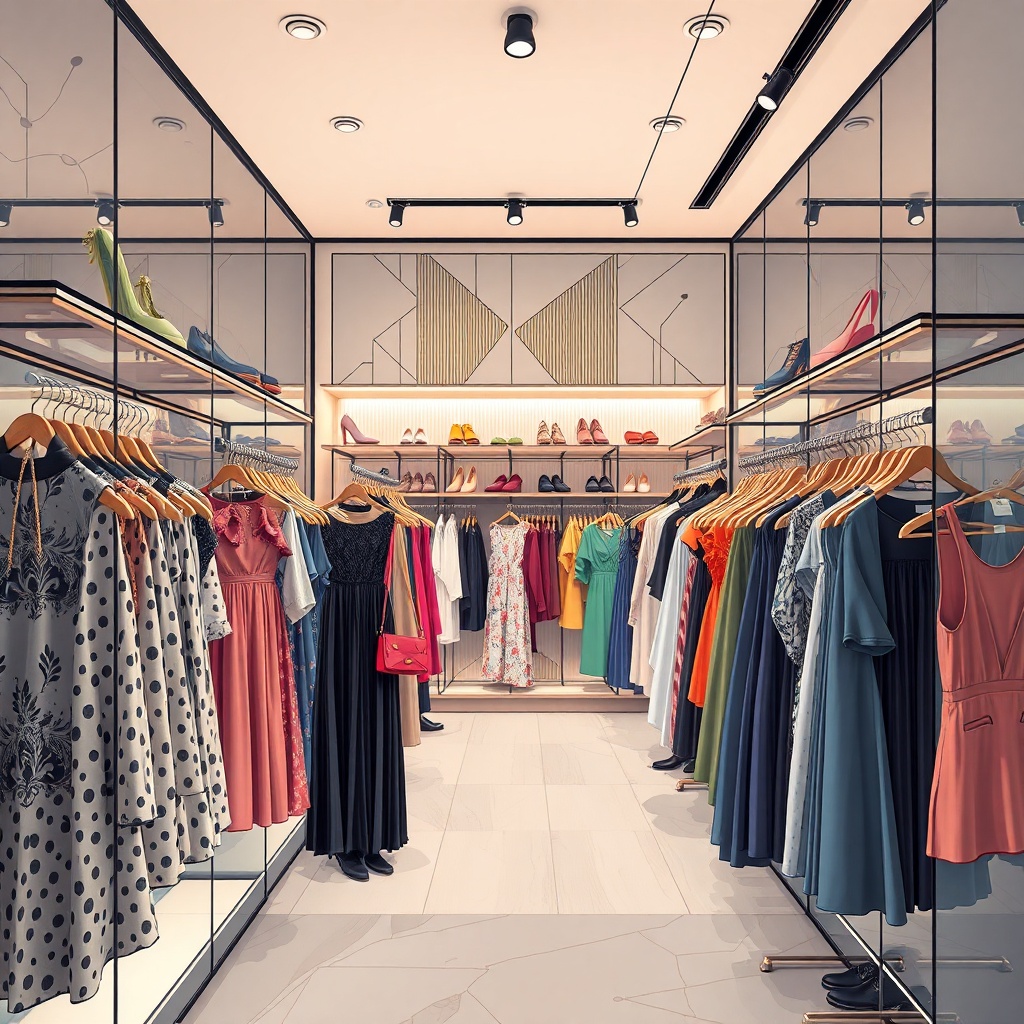
Physical stores are no longer just points of sale; they’re brand discovery hubs. Create environments that invite lingering: warm lighting, flexible fixtures for regular merchandising updates, comfortable fitting areas, and intentional “Instagrammable” moments that encourage user-generated content. Host small events like styling nights, trunk shows, or pop-up collaborations with local artisans to build community and repeat foot traffic.
Omnichannel cohesion
Seamless integration between online and offline channels is essential. Offer click-and-collect, easy in-store returns for online purchases, and real-time inventory visibility. Mobile POS systems let staff check stock, create personalized orders, or process payments anywhere on the floor—turning service into a conversion tool. Ensure product pages include detailed fit notes, measurements, and high-quality imagery or short videos to reduce returns.
Sustainability and transparency
Shoppers are increasingly value-driven. Highlight sustainable practices—responsible sourcing, low-waste production, or repair and resale programs—and make transparency simple with clear labels and supplier stories.
Consider accepting pre-loved pieces or launching a rental program to attract eco-conscious customers and extend product lifecycles.
Personalization and loyalty
Personalized service differentiates boutiques. Offer appointment shopping, private previews, and personalized lookbooks sent by email or SMS. Use a simple CRM to track preferences and purchase history so staff can recommend relevant items. Loyalty programs that reward referrals, early access to new collections, or birthday perks keep customers engaged without heavy discounts.
Smart merchandising and inventory
Limit overstock risk by using small-batch production, pre-orders, and limited drops to test demand.
Track sell-through rates and rotate bestsellers into different price tiers or seasonal promotions. Work with local makers or small designers to source exclusive pieces that can’t be found elsewhere—exclusivity drives urgency.
Digital marketing that converts
Focus on high-quality visual content and short-form video to showcase fit and movement.
Partner with micro-influencers whose audiences align with the boutique’s aesthetic; these partnerships often deliver higher engagement and more authentic endorsements. Invest in organic SEO with clear category pages, optimized product descriptions, and local search optimization so nearby shoppers find the store quickly.
Operational essentials
Train staff to be brand ambassadors—knowledgeable about fit, fabric, and styling—while empowering them with tools to close sales across channels. Streamline shipping options with transparent rates and reliable carriers, and make returns simple to remove purchase friction.
Boutique fashion retail thrives by combining heart and hustle: unique product curation and memorable in-person moments, backed by thoughtful tech and disciplined operations. For boutiques that stay true to a clear identity while adapting to customer expectations across channels, opportunities for growth remain strong.