How Boutique Fashion Stores Win Big: Experience-Driven Strategies for Small Retailers
Boutique Fashion Retail: How Small Stores Win Big with Experience and Strategy
Boutique fashion retail offers something mass-market brands can’t replicate: a curated point of view, personal service, and a tightly controlled brand experience. For independent boutiques and small chains, the opportunity lies in leveraging those strengths while adopting smart retail strategies that modern shoppers expect.
Why boutique fashion still matters
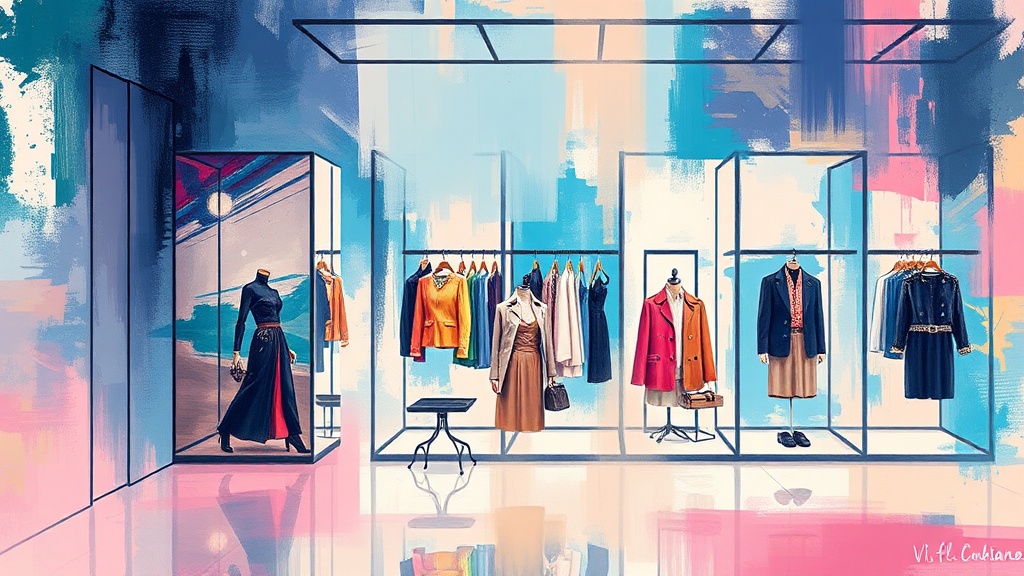
Shoppers increasingly value authenticity and discovery.
Boutiques deliver both by selecting pieces that reflect a clear aesthetic, supporting local or emerging designers, and creating environments where customers feel seen.
That emotional connection drives loyalty, word-of-mouth, and higher average transaction values compared with commodity retail.
Key trends shaping boutique success
– Omnichannel integration: Customers research online and purchase in-store, or vice versa. Offering consistent inventory visibility, click-and-collect, and simple returns bridges the gap between digital convenience and in-person experience.
– Experiential retail: Events, trunk shows, styling sessions, and limited drops turn visits into memorable moments.
Experiences encourage longer dwell times and social sharing that amplifies marketing.
– Sustainable and transparent sourcing: Curated selections that emphasize responsible materials, local production, or clear supply chains resonate with eco-conscious shoppers and justify premium pricing.
– Resale and rental offerings: Integrating pre-loved or rental inventory can expand customer reach, boost margins, and support circular fashion principles without diluting brand identity.
– Data-driven curation: Even small boutiques can use POS and CRM insights to tailor assortments, predict trends, and personalize outreach — improving inventory turns and reducing markdowns.
Practical strategies for boutique owners
– Nail your niche and visual identity: Define a cohesive style and translate it into storefront design, fixtures, and merchandising.
Consistency across physical and online touchpoints builds recognition and trust.
– Optimize inventory for turns, not just depth: Focus on bestselling styles and colorways that move quickly. Use small-batch buys and preorders to reduce risk while keeping offerings fresh.
– Build a loyalty ecosystem: Collect email addresses and first-party data with incentives like exclusive previews, styling appointments, or member-only discounts.
Personalized follow-ups convert casual visitors into repeat customers.
– Maximize in-store experience: Train staff as brand ambassadors who deliver consultative service.
Use curated playlists, scent, and well-lit displays to create a sensory environment that encourages purchases.
– Invest in visual commerce: Professional product photography and shoppable social content help extend the boutique’s atmosphere online. User-generated content featuring real customers creates trust and relatability.
– Partner locally: Collaborate with complementary businesses — cafes, galleries, or beauty studios — for cross-promotions and pop-ups that introduce your brand to new audiences.
How shoppers benefit
Boutique shopping rewards customers with unique finds, higher-quality service, and styling expertise.
Communities form around boutiques that support local makers and host events, giving shoppers more than just a transaction — they gain a lifestyle destination.
Actionable next steps
– Audit your customer journey from discovery to post-purchase and identify one friction point to fix.
– Run a micro-event or pop-up to test new product categories or partnerships.
– Use POS reports to identify your top three movers and plan a replenishment strategy around them.
Boutique fashion retail thrives on differentiation and agility. By blending thoughtful curation, seamless omnichannel service, and engaging experiences, small retailers can create a sustainable competitive edge that keeps customers coming back.