How Boutique Fashion Stores Win: Experience, Curation & Community
Boutique Fashion Retail: How Small Stores Win Big with Experience, Curation, and Community
Boutique fashion retail thrives by offering what big-box brands often cannot: a carefully curated selection, personalized service, and a sense of discovery. For independent retailers and small chains, focusing on three core pillars—experience, curation, and community—creates loyal customers and sustainable growth.
Create an unforgettable in-store experience
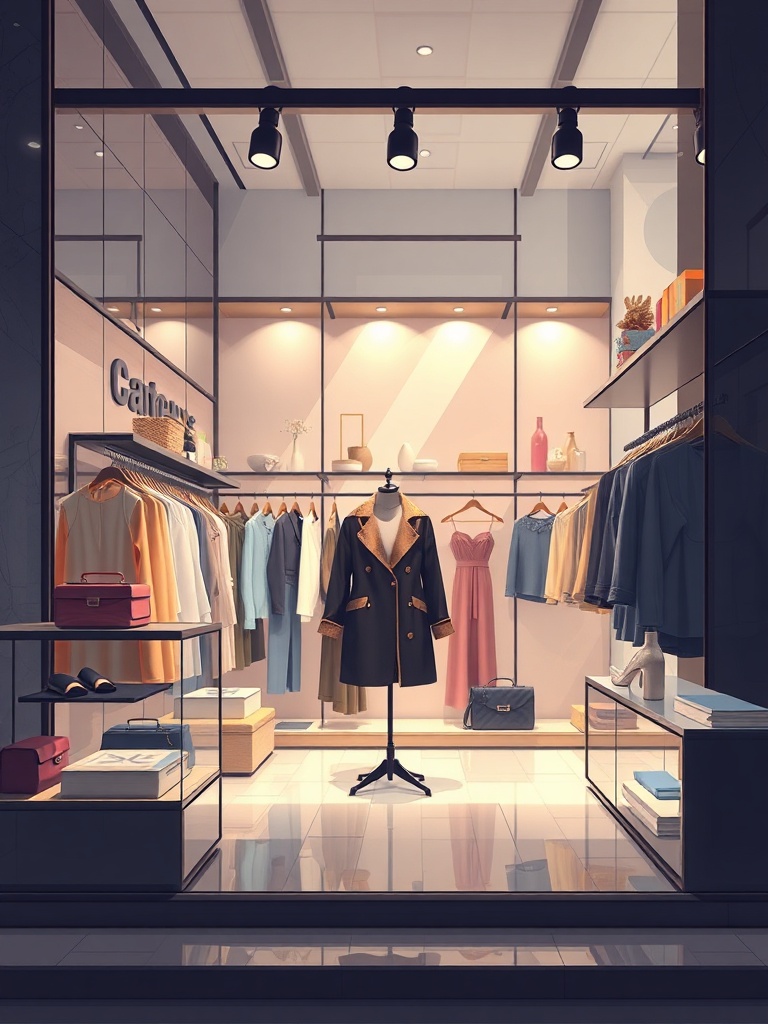
Shoppers visit boutiques not just to buy, but to be inspired. Design the space to tell a story: use intentional lighting, tactile materials, and rotating visual displays that highlight key pieces.
Host intimate events such as styling workshops, trunk shows, or meet-the-designer nights to drive foot traffic and deepen relationships.
Seamless service matters—train staff to provide consultative styling, build client profiles, and follow up with personalized suggestions.
Curate inventory with purpose
Successful boutiques sell a lifestyle, not just merchandise. Focus on a tight edit of brands and products that complement each other and align with the store’s identity. Mix emerging designers, local artisans, and exclusive capsules to maintain freshness and uniqueness. Use sales and browsing data to refine buys, but also leave room for riskier, conversation-starting pieces that reinforce the boutique’s voice.
Blend physical and digital for an omnichannel advantage
An integrated omnichannel strategy makes small retailers competitive. Optimize your website for mobile, simplify checkout, and offer flexible fulfillment options like buy-online-pick-up-in-store (BOPIS) and local delivery. Use social platforms to showcase new arrivals, behind-the-scenes content, and customer-generated looks. Link shoppable posts to product pages and maintain up-to-date inventory to avoid customer frustration.
Leverage technology thoughtfully
Technology doesn’t have to mean costly overhauls. Modern point-of-sale systems offer CRM features to track purchases and preferences, enabling targeted promotions and birthday outreach. Augmented reality try-ons and virtual appointments can extend the boutique experience to remote shoppers. Implement contactless payments and frictionless returns to match shopper expectations for convenience.
Commit to sustainable and ethical practices
Sustainability resonates with many boutique shoppers who value craftsmanship and transparency.
Highlight slow-fashion principles: limited runs, quality materials, and repair or resale programs. Communicate supply-chain transparency and care instructions to reinforce the value proposition.
Small retailers can also collaborate with local makers to reduce carbon footprint and appeal to community-minded consumers.
Build a community, not just a customer list
Community-building is a long-term moat. Collect email addresses and social followers with an emphasis on value—exclusive previews, styling tips, or invites to members-only events.
Partner with nearby businesses for cross-promotions, pop-ups, or neighborhood events to widen your local reach.
Encourage customer reviews and showcase real customers on social channels to amplify trust and authenticity.
Practical next steps for boutique owners
– Audit your product mix and remove slow-moving SKUs.
– Set up a clienteling system to track preferences and purchase history.
– Plan a quarterly event calendar tied to launches or collaborations.
– Optimize Google Business Profile and local SEO to capture neighborhood searches.
– Test one new tech feature—virtual try-on, live shopping, or appointment booking—and measure results.
Boutique fashion retail remains a vibrant and resilient segment by embracing distinctiveness over scale. When boutiques deliver memorable experiences, thoughtful curation, and genuine community connections, they turn occasional shoppers into brand advocates and ensure long-term relevance in a crowded market.