How Fashion Retailers Create Seamless Omnichannel Experiences That Boost Loyalty
Fashion retail experience has shifted from simple transactions to immersive journeys that connect product, place, and purpose.
Shoppers expect convenience and discovery in equal measure: a streamlined purchase path on their phone, a memorable in-store moment that can’t be replicated online, and clear evidence that the brand aligns with their values. Successfully balancing these demands creates loyalty, reduces returns, and boosts lifetime value.
Designing seamless omnichannel experiences
Consistency across channels is table stakes. Customers start research on social media, compare in-app, and complete purchases in store—or vice versa. The best retailers map the customer journey and remove friction at every touchpoint: accurate online inventory, unified customer profiles, efficient click-and-collect, and flexible returns. Real-time visibility into stock and order status keeps promises credible and reduces disappointment.
Elevating the in-store moment
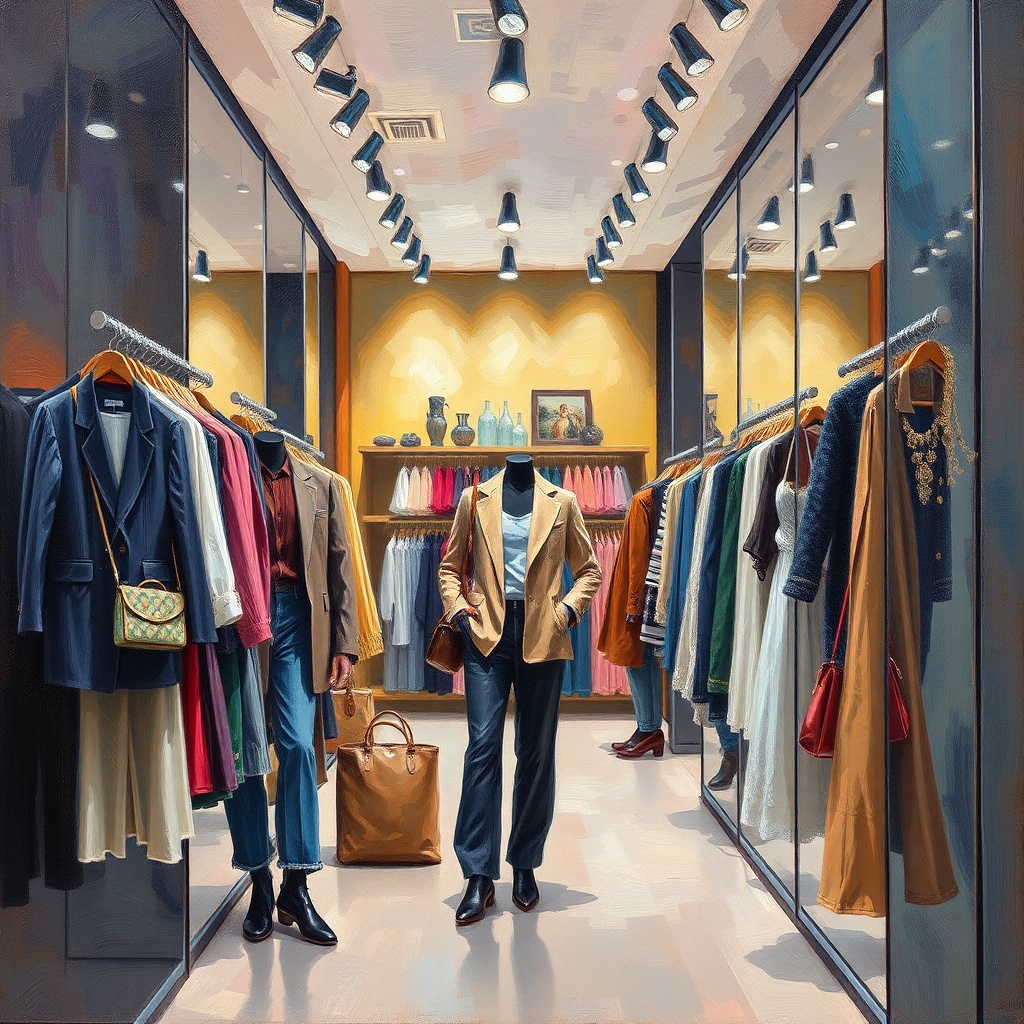
Physical retail must justify its space by offering experiences that digital can’t. Think curated fitting rooms, expert styling sessions, and sensory merchandising that tells a story. Technology-enhanced activations—like virtual try-on, smart mirrors, and mobile-assisted checkout—help personalize service while reducing wait times.
Pop-ups and limited-edition collaborations drive curiosity and urgency, converting casual visitors into engaged customers.
Personalization without overreach
Personalization increases relevance but must respect privacy.
Effective approaches combine explicit preferences (size, style) with contextual signals (time of visit, weather, occasion) to suggest products and promotions. Loyalty programs that reward behavior, offer exclusive access, and simplify checkout build goodwill. Transparency about data use and clear opt-in choices preserve trust while maintaining personalization.
Sustainability and circular services
Sustainability is a core element of modern retail experience. Customers expect clear product provenance, repair and alteration options, and post-use solutions such as resale and rental.
Integrating circular services into the shopping experience—trade-in credits, in-store resale desks, or rental kiosks—can extend product lifecycles, differentiate the brand, and attract eco-conscious shoppers.
Making returns and fit easier
Returns remain a pain point.
Detailed fit guidance, consistent sizing across categories, and user-generated content that shows real customers wearing items reduce mismatch. In-store return hubs for online purchases simplify the process and give staff opportunities to re-engage customers with complementary product suggestions.
Staff as experience catalysts
Well-trained staff turn convenience into conversion. Equip teams with mobile tools that show customer histories, available promotions, and inventory nearby.
Emphasize soft skills—active listening and styling—to make interactions memorable.
Commission and incentive structures that reward repeat visits and customer satisfaction encourage consultative selling over one-off transactions.
Measuring what matters
Track metrics that reflect experience quality: repeat purchase rate, net promoter score, conversion from in-store to online and vice versa, and return rates by category.
Use qualitative feedback—post-visit surveys, mystery shopping, and social listening—to uncover unmet needs and iterate quickly.
Practical steps to improve today
– Audit the customer journey to identify friction points and moments to surprise or delight.
– Standardize sizing and product information across channels.
– Introduce at least one experiential element in store (events, workshops, styling appointments).
– Expand circular options—repair, resale, or rental—within existing operations.
– Train staff on digital tools and emotional engagement.
Retail that blends convenience, creativity, and credibility wins attention and loyalty. By focusing on unified experiences, meaningful personalization, and sustainable practices, brands create retail environments that feel modern, thoughtful, and worth returning to.