How Fashion Retailers Win Customers by Blending Omnichannel Convenience with Memorable In-Store Experiences
How fashion retailers win customers by blending digital convenience with memorable in-store moments
The most successful fashion retailers treat the shopping journey as a seamless choreography between digital touchpoints and physical spaces. Customers expect personalization, speed, sustainability, and emotional connection — and brands that deliver across all these fronts create stronger loyalty and higher lifetime value.
Designing a unified omnichannel experience
A true omnichannel approach removes friction between browsing, buying, and picking up. Key features include synchronized inventory so online stock reflects in-store availability, mobile-friendly sites and apps that remember preferences, and flexible fulfillment like buy-online-pick-up-in-store (BOPIS), curbside pickup, and same-day delivery.
Integrating returns and exchanges across channels — easily initiated online and completed in-store — reduces barriers to purchase and lowers return-related frustration.
Personalization without being intrusive
Personalization powers relevance: curated product recommendations, tailored promotions, and content adapted to a shopper’s style profile increase conversion rates. Collect behavioral data responsibly and use it to create helpful, timely touches such as restock alerts for saved sizes or early access to items matched to a customer’s past purchases. Transparency about data use and clear opt-in choices build trust and deepen relationships.
Turning stores into experiential destinations
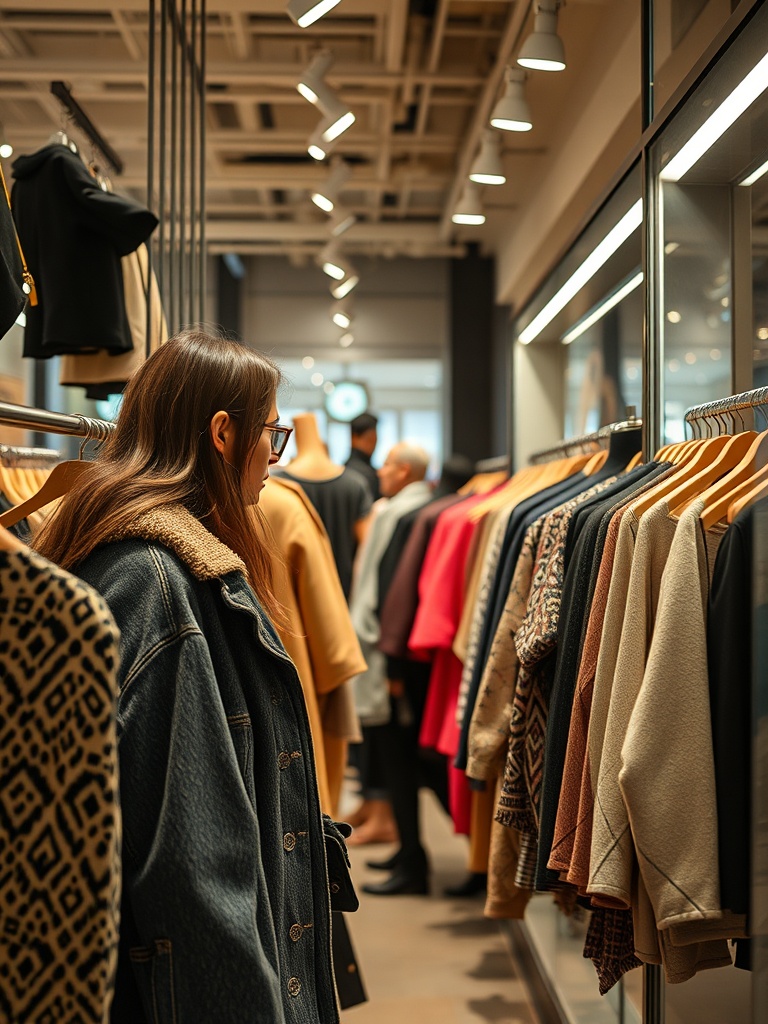
Physical stores thrive when they offer something digital channels can’t: tactile discovery and memorable atmospheres. Successful concepts include interactive fitting rooms, AR-enabled mirrors and virtual try-on tech that speed decision-making, and in-store events like styling sessions, product workshops, or community pop-ups. Layouts that focus on storytelling — brand narratives, sustainability journeys, and curated capsule collections — invite longer visits and more thoughtful purchases.
Sustainability and circular retail
Sustainability is no longer optional. Customers expect responsible sourcing, transparent supply chains, and options for circular consumption such as resale, rental, and repair services. Offering trade-ins, certified pre-owned sections, or repair kiosks not only aligns with environmental values but also creates new revenue streams and repeat visits. Clear labeling about materials, care, and lifecycle impact helps customers make informed choices.
Staff, service, and the human touch
Well-trained store teams still drive conversion. Stylists and sales associates who use mobile tools to check inventory, offer personalized suggestions, and complete purchases on the spot create a frictionless experience.
Ongoing staff training in product knowledge, visual merchandising, and inclusive customer service ensures every shopper feels recognized and comfortable.
Technology that enhances, not replaces, experience
Adopt tech that genuinely solves shopper pain points: mobile checkout to avoid long lines, AI-powered size recommendations to reduce returns, and smart mirrors that suggest complementary items. Balance high-tech with high-touch: technology should free staff to provide curated service, not replace it.
Measuring what matters
Track metrics beyond sales per square foot — evaluate repeat purchase rate, return rate, average order value across channels, dwell time in-store, and customer satisfaction scores. Use these insights to refine assortments, staffing, and fulfillment options.
Practical next steps for retailers
– Audit the customer journey for friction points and resolve the most common drop-off moments.
– Invest in inventory transparency and flexible fulfillment options.
– Launch small-scale experiential programs to test what resonates locally.
– Offer clear, convenient paths to participate in circular initiatives.
– Communicate data practices and sustainability claims clearly.
Offering convenience and emotion together is the new competitive edge.
Brands that consistently blend digital personalization, in-store experience, and sustainable choices will create lasting connections and stronger business resilience.