How Independent Fashion Brands Stand Out and Grow Sustainably
Independent fashion brands are reshaping the way people discover style. Small labels bring personality, craft and a direct connection between maker and customer—qualities that large retailers often struggle to replicate. For entrepreneurs and designers, understanding how to stand out while staying sustainable and profitable is essential.
Why independent fashion brands matter
Independent labels often focus on quality, niche aesthetics and ethical practices. That emphasis attracts consumers who want more than mass-produced garments: they seek stories, transparency and products that last. This market values craftsmanship, limited runs and meaningful brand narratives, giving small brands an advantage when they communicate authenticity clearly.
Key strategies to grow and sustain a small fashion brand
– Define a clear niche: Narrow focus helps allocate marketing budget, guide product development and attract loyal customers. Whether it’s minimalist tailoring, upcycled streetwear or size-inclusive activewear, a distinct point of view speeds discovery and builds identity.
– Prioritize product quality and fit: Exceptional materials and consistent sizing reduce returns and increase word-of-mouth referrals.
Small brands can command premium pricing by delivering superior construction and thoughtful details.
– Build a compelling brand story: Share the “why” behind your label—materials, people, techniques and ethical commitments. Use storytelling across product pages, email campaigns and social channels to turn shoppers into repeat buyers.
– Commit to transparent supply chains: Consumers expect honesty about sourcing and manufacturing. Clear communication about fabric origins, factory conditions and environmental impact strengthens trust and drives purchasing decisions.
– Lean into direct-to-consumer sales: Selling direct preserves margins and gives full control over customer experience. Invest in a seamless e-commerce site with fast checkout, clear shipping policies and responsive customer service.
Marketing and community tactics that work
– Content and SEO: Publish useful content—fit guides, care instructions and style tips—that answers customer questions and improves organic search visibility. Target long-tail keywords related to your niche to attract motivated shoppers.
– Short-form video and product demos: Video builds trust quickly. Show fit on different body types, behind-the-scenes production and styling ideas to increase engagement and conversions.
– Email and retention: An owned email list is one of the most valuable assets. Use welcome flows, cart recovery and VIP programs to boost lifetime value.
– Collaborations and pop-ups: Partner with complementary creators, local shops or artisans to reach new audiences and create experiential touchpoints.
– User-generated content: Encourage customers to share photos and reviews. Real-life imagery and social proof are powerful trust signals.
Operations and product strategies
– Limit runs and pre-orders: Small-batch production minimizes overstock risk and maintains exclusivity. Pre-orders finance production and align supply with demand.
– Offer repair, take-back or resale options: Extended product life benefits the environment and reinforces brand quality claims. Aftercare services enhance loyalty.
– Balance wholesale thoughtfully: Wholesale can expand reach but requires margin planning and operational capacity. Select partners that align with brand values and target customers.
Staying adaptable
Independent fashion brands thrive by being nimble.
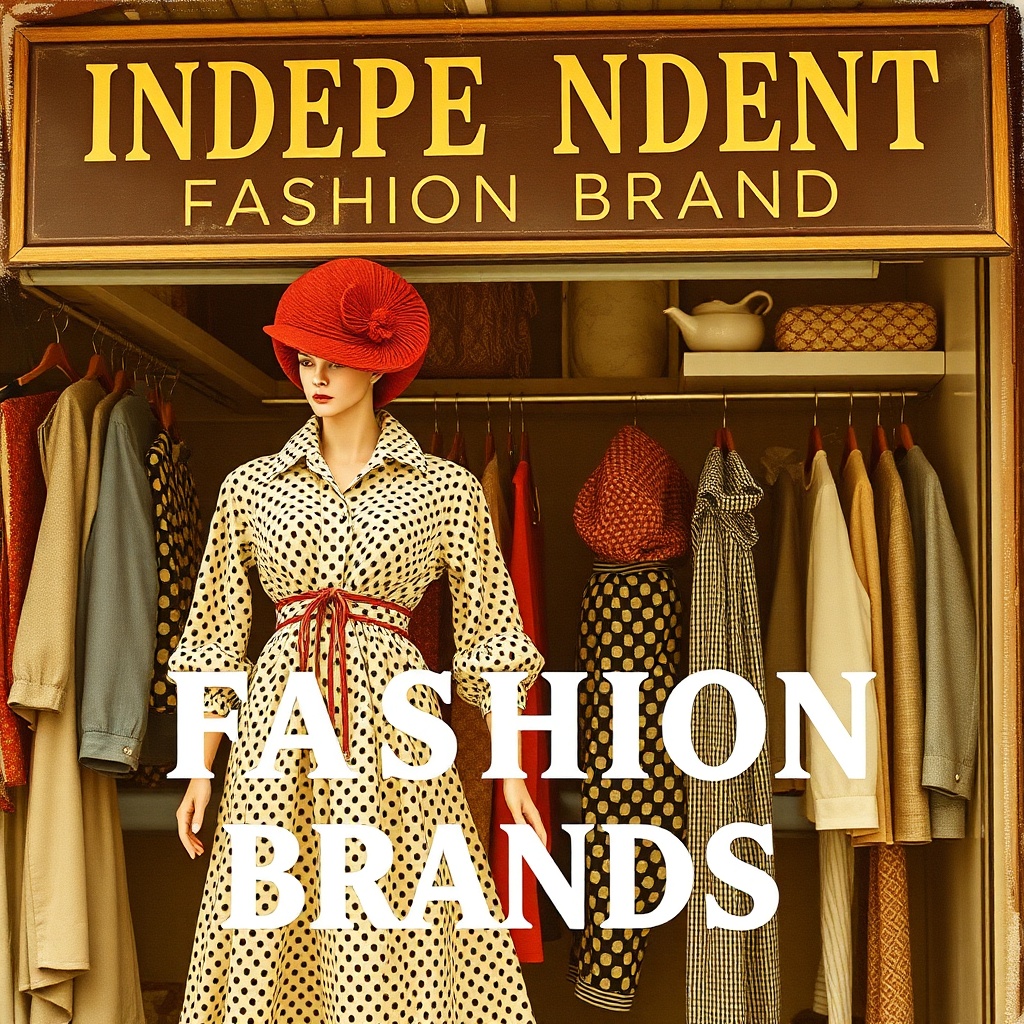
Test product ideas quickly, listen to customer feedback and iterate on assortment and messaging. Strong design, ethical practices and a focused marketing approach turn small budgets into meaningful growth. For brands that prioritize authenticity and customer relationships, the independent route remains a vibrant path to lasting success.