How Local Fashion Communities and Grassroots Style Shape Cities and Drive Sustainable Fashion
Local Fashion Communities: How Grassroots Style Shapes Cities and Drives Sustainable Change
Local fashion communities are reshaping how people shop, create, and connect.
They bring neighborhood identity to the forefront, offering an antidote to mass-market sameness and giving independent designers, makers, and vintage curators a platform to thrive. Whether you’re a maker, retailer, or style-minded resident, understanding how these ecosystems work can unlock new opportunities for growth and impact.
Why local fashion communities matter
– Authenticity and storytelling: Local designers tell the story of place—materials sourced nearby, cultural influences, and personal craftsmanship. Those narratives attract customers who want more than a logo.
– Economic resilience: Community-driven retail keeps spending in the neighborhood, supporting microbusinesses and promoting entrepreneurship.
– Sustainability: Local production, slower consumption, repair culture, and clothing swaps reduce waste and encourage circular fashion practices.
– Inclusive fashion: Smaller brands can respond faster to community needs—offering inclusive sizing, adaptive clothing, and culturally relevant styles.
Key elements that make a community thrive
– Shared spaces: Co-working studios, maker labs, and atelier collectives lower barriers to entry by sharing tools and rent costs. Pop-up shops and market stalls give emerging brands testbeds without long-term leases.
– Collaborative events: Fashion walks, open studios, repair cafes, and clothing swaps build traffic and create memorable experiences that translate into loyal customers.
– Digital presence with local focus: Social platforms and neighborhood apps amplify word-of-mouth. Well-curated local hashtags, stories, and short-form videos highlight craftsmanship and behind-the-scenes moments.
– Education and skills exchange: Workshops on pattern drafting, sustainable dyeing, mending, and small-batch production cultivate skills and deepen community ties.
How to build or grow a local fashion community
– Partner across sectors: Collaborate with cafes, galleries, and community centers to host pop-ups and trunk shows. Cross-promotion draws diverse audiences.
– Champion circular practices: Host regular swap meets, repair nights, and upcycling challenges. Offer easy repair services and teach basic mending—practical steps that reduce consumption while boosting brand goodwill.
– Create regular programming: Monthly markets, maker nights, and seasonal showcases keep the community engaged and provide predictable platforms for sellers.
– Use targeted local marketing: Combine neighborhood-focused SEO, email newsletters, and social ads geotargeted to nearby zip codes. Leverage storytelling—introduce makers, share sourcing stories, and document the creative process.
– Measure what matters: Track foot traffic, repeat visitors, social engagement, and newsletter signups.
Solicit feedback at events to iterate quickly.
Case strategies that work
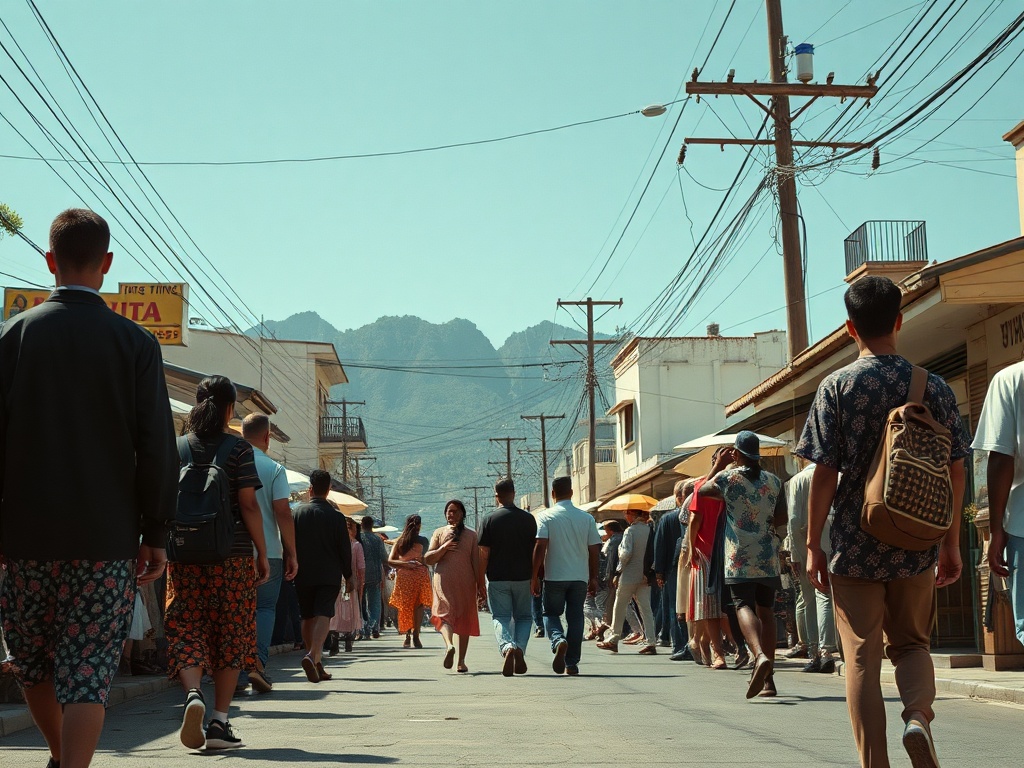
– Micro-retail pop-ups: Short-term shop windows in high-traffic areas create urgency and media interest without heavy overhead.
– Collective storefronts: Shared retail spaces rotate brands, keeping inventory fresh while lowering costs for makers.
– Community design challenges: Invite locals to co-create capsule collections—this builds ownership and creates built-in buyers.
Challenges to anticipate
– Scaling without losing authenticity: Rapid growth can dilute the local voice; maintain clear brand narratives and product quality.
– Financial sustainability: Shared spaces and cooperative models help, but access to affordable capital remains a pain point for many creators.
– Visibility in a crowded digital landscape: Local SEO and consistent storytelling are essential to cut through noise.
Actionable next step
Host a neighborhood swap or pop-up weekend to bring makers and shoppers together. Start small, collect feedback, and iterate—community momentum grows faster than any marketing budget.