– How Local Fashion Communities Are Redefining Sustainable Style (recommended)
Local fashion communities are quietly reshaping how people shop, design, and express personal style. Rooted in neighborhoods, markets, and online groups, these communities blend creativity with commerce—supporting emerging designers, promoting sustainability, and creating memorable experiences that big retailers can’t replicate.
Why local fashion communities matter
Local fashion scenes boost the local economy by directing spending toward independent designers, tailors, and small boutiques. They foster a sense of identity and place: city neighborhoods, college towns, and creative districts become recognized not just for geography but for aesthetic. Beyond economics, they enable experimentation—designers can test concepts face-to-face with real customers, receive instant feedback, and iterate quickly.
Sustainability and conscious consumption
Sustainability is a major driver of community-driven fashion. Swap meets, repair workshops, and clothing exchanges extend garment lifecycles and reduce waste. Local artisans often use more transparent supply chains and smaller production runs, which lowers resource consumption. Shoppers who care about sourcing and durability find that local creators are more accessible for questions about materials and manufacture—encouraging smarter purchases.
How people connect
Connections form in person and online. Pop-up markets, flea markets, and neighborhood boutiques create touchpoints for discovery.
Community-run fashion shows and styling nights turn commerce into shared experience.
On the digital side, hyperlocal social media groups, neighborhood apps, and local hashtags help people find events, collaborate, and spotlight creators. Combining both digital and physical presences amplifies reach and builds loyal customer bases.
Practical ways to get involved
– Attend pop-up markets and trunk shows to discover emerging talent and give direct feedback.
– Join local fashion groups on social platforms to stay informed about events, workshops, and opportunities.
– Participate in or organize clothing swaps and repair cafes to promote circular fashion.
– Support local tailors and seamstresses—customization keeps garments in rotation longer and supports craft skills.
– Volunteer or mentor at youth fashion programs to help the next generation of designers.
Tips for creators and organizers
– Start small and consistent: a monthly market or regular styling event builds momentum more effectively than occasional large events.
– Collaborate with non-fashion local businesses—cafés, galleries, and bookstores—to cross-promote and share audiences.
– Make events inclusive: affordable ticketing, sliding-scale vendor fees, and family-friendly programming widen participation.
– Use storytelling: feature makers’ backgrounds and process to create emotional connections that justify premium pricing.
– Blend digital marketing with real-world experiences: use local hashtags, email lists, and event pages to drive foot traffic.
Measuring impact
Beyond sales, measure success through community engagement: attendance numbers, social shares, repeat visitors, and local press coverage. Track vendor retention and growth—are creators expanding product lines or launching collaborations because of community support? These indicators show a thriving ecosystem that benefits everyone involved.
The bigger picture
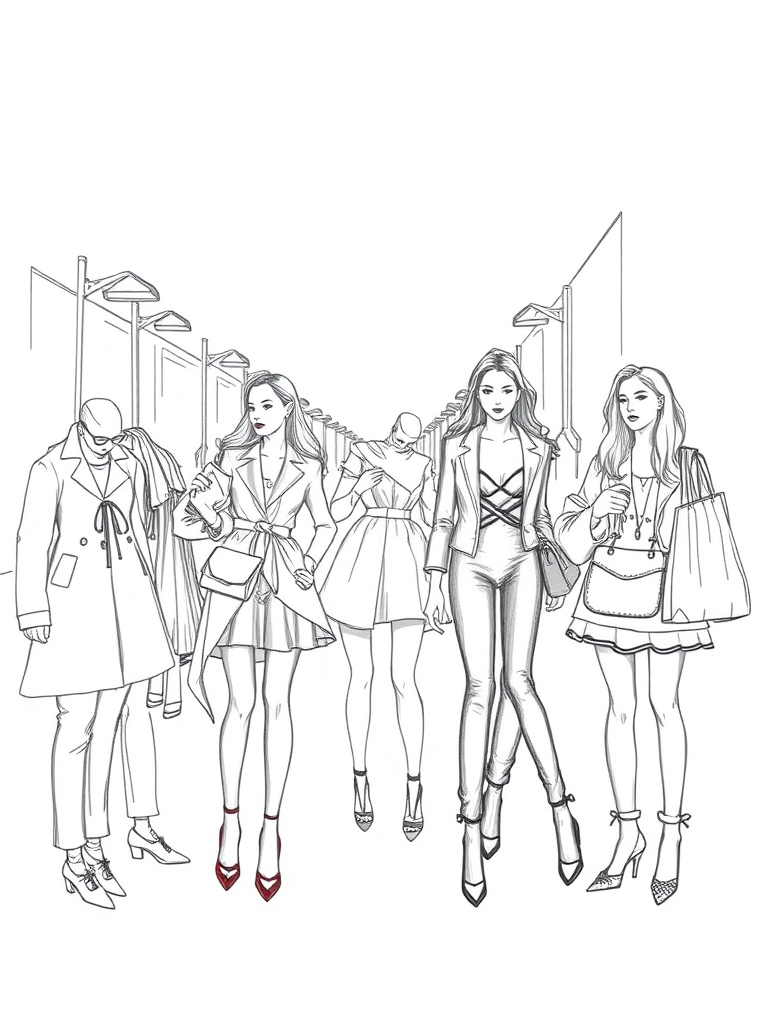
Local fashion communities nurture creativity, sustainability, and economic resilience. They transform shopping into a social, educational, and cultural activity while giving independent makers a path to visibility and growth. Whether you’re a shopper, designer, or organizer, engaging with a local fashion community offers real-world rewards: unique finds, stronger local ties, and a more responsible approach to style.
Get started by finding the next neighborhood market or joining a local fashion group—small steps can lead to meaningful impact on your wardrobe and your city’s creative landscape.