How Local Fashion Communities Are Reshaping Sustainable, Inclusive Style
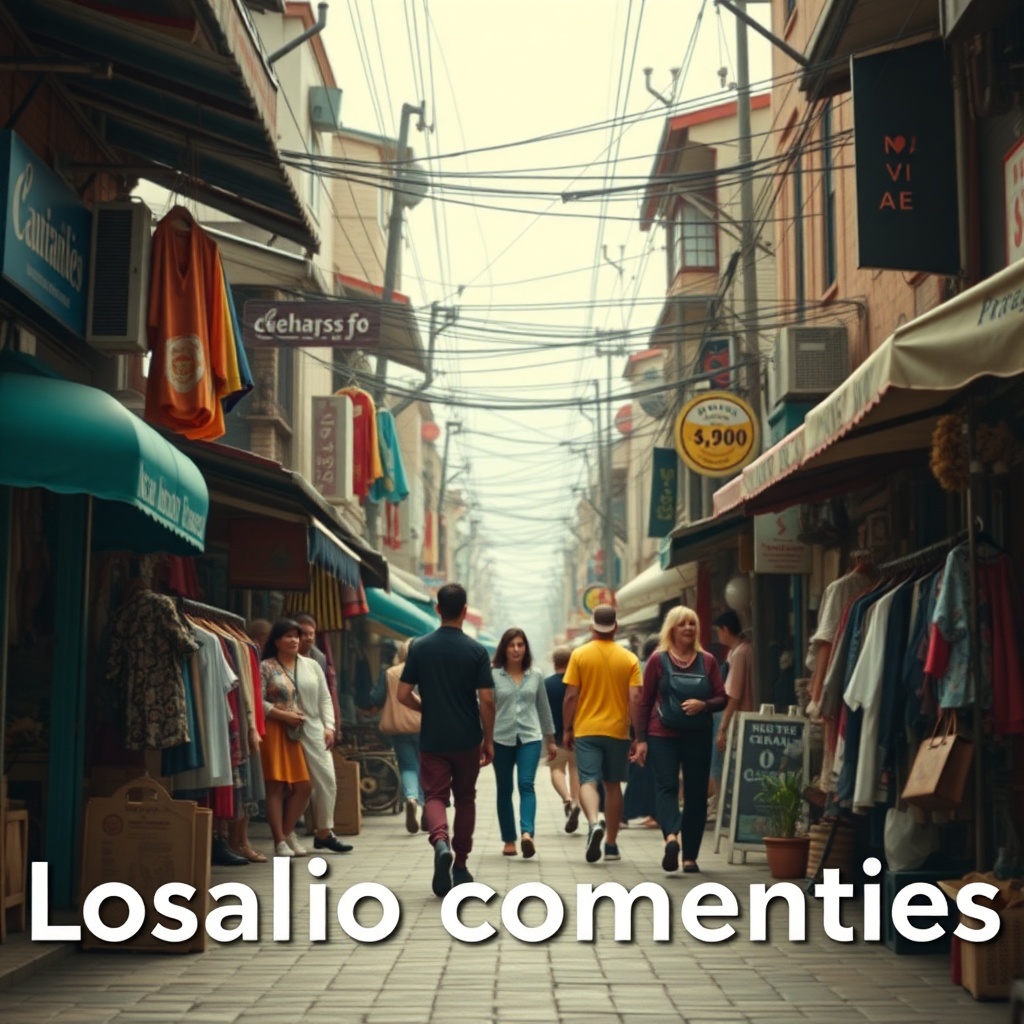
Local fashion communities are reshaping how people discover, make, and wear clothes. By focusing on local talent, shared resources, and community-driven events, these networks make style more sustainable, inclusive, and economically resilient. Whether you’re a designer, maker, retailer, or style enthusiast, tapping into a local fashion community can transform how you approach fashion.
Why local fashion communities matter
Local fashion communities amplify independent designers and craftspeople who prioritize quality over mass production. They support the local economy, reduce carbon footprints through shorter supply chains, and keep cultural traditions alive by encouraging regional materials and techniques. Community-driven initiatives also create more equitable access to fashion by offering mentorship, skills exchange, and affordable alternatives to mainstream retail.
How local fashion communities form
– Pop-up markets and weekend bazaars bring makers directly to shoppers and create low-risk retail opportunities for emerging brands.
– Workshops and skill-share sessions teach sewing, pattern-making, mending, and upcycling, building hands-on expertise and fostering collaboration.
– Repair cafes and clothing swaps extend garment life and normalize circular fashion practices.
– Co-working spaces or shared ateliers allow designers to split overhead costs and cross-pollinate ideas.
– Online groups (neighborhood platforms, niche social accounts, local marketplaces) keep members connected between physical meetups.
Ways to get involved or build a community
If you want to join or start a local fashion community, focus on accessibility, clear communication, and mutual benefit. Practical steps include:
– Host small, recurring events: monthly swap meets, skill workshops, or trunk shows that create rhythm and expectation.
– Partner with local businesses: cafes, galleries, and bookstores can provide affordable venues and cross-promotional opportunities.
– Create an open call culture: invite makers, models, photographers, and stylists to participate without gatekeeping.
– Use simple digital tools: group chats, email newsletters, and event pages to coordinate and grow membership.
– Offer sliding-scale fees or barter options to keep participation inclusive.
Sustainability and circular practices
Local communities are ideal incubators for circular fashion. Encourage repair stations at markets, organize clothing repair tutorials, and run upcycling challenges to turn unsold inventory into unique pieces. These approaches both reduce waste and showcase creativity, giving shoppers an experience and story that mass-produced items lack.
Marketing and growth—ethical, organic methods
Word-of-mouth and authentic storytelling are the most effective ways to grow a local fashion community. Encourage participants to share behind-the-scenes content, host community-led photoshoots, and collect testimonials that highlight economic and environmental impact.
Local press, neighborhood newsletters, and collaborations with other creative collectives can broaden reach without sacrificing authenticity.
Measuring success
Track attendance, vendor sales, social engagement, and community feedback to understand what’s working.
Qualitative measures—like new collaborations formed, skills learned, or repairs completed—often matter as much as revenue. Use this data to refine programming, diversify participation, and attract sponsors or grants.
Local fashion communities create resilient ecosystems where creativity, commerce, and care coexist. By prioritizing collaboration, accessibility, and sustainability, these networks transform how clothing is produced, shared, and appreciated—making meaningful style choices easier for everyone involved.