How Local Fashion Communities Build Inclusive, Sustainable Neighborhood Style
Local Fashion Communities: How Neighborhood Creativity Shapes Style
Why local fashion communities matter
Local fashion communities are where style becomes personal. They connect makers, shoppers, and storytellers around a shared neighborhood identity, turning garments into cultural artifacts rather than just commodities. These communities boost local economies, spotlight diverse voices, and create resilient ecosystems that favor quality, craft, and sustainability over throwaway trends.
What makes them thrive
– Authentic relationships: Regular meetups, workshops, and pop-up markets build trust between designers and customers, generating repeat support and word-of-mouth growth.
– Hyperlocal storytelling: When designers draw inspiration from local history, architecture, and people, collections feel unique and meaningful.
– Hands-on craftsmanship: Sewing circles, dyeing workshops, and repair cafés keep skills alive and reduce waste.
– Digital amplification: Local creators use social platforms and neighborhood apps to promote events, collaborate on drops, and reach wider audiences without losing community roots.
Practical ways to engage
– Attend or organize clothing swaps and repair nights to foster circular fashion habits and meet like-minded people.
– Support maker markets and pop-up shops; buying direct often gives small brands higher margins and keeps production close to home.
– Join local social groups or follow neighborhood hashtags to discover micro-designers and late-stage collaborations.
– Volunteer time or skills—photography, pattern cutting, or social media—to help small labels grow sustainably.
Designing inclusive communities
Inclusivity is a core strength of vibrant local fashion scenes. Offering accessible venues, a range of price points, and diverse sizing signals that the community is for everyone. Mentorship circles and open studios can lower entry barriers for emerging creators from underrepresented backgrounds. Elevating voices across ages, body types, and cultural perspectives enriches the aesthetic and the market.
Sustainable and circular practices
Local fashion communities often lead in sustainability because proximity reduces transportation impacts and fosters relationships that encourage repair and reuse.
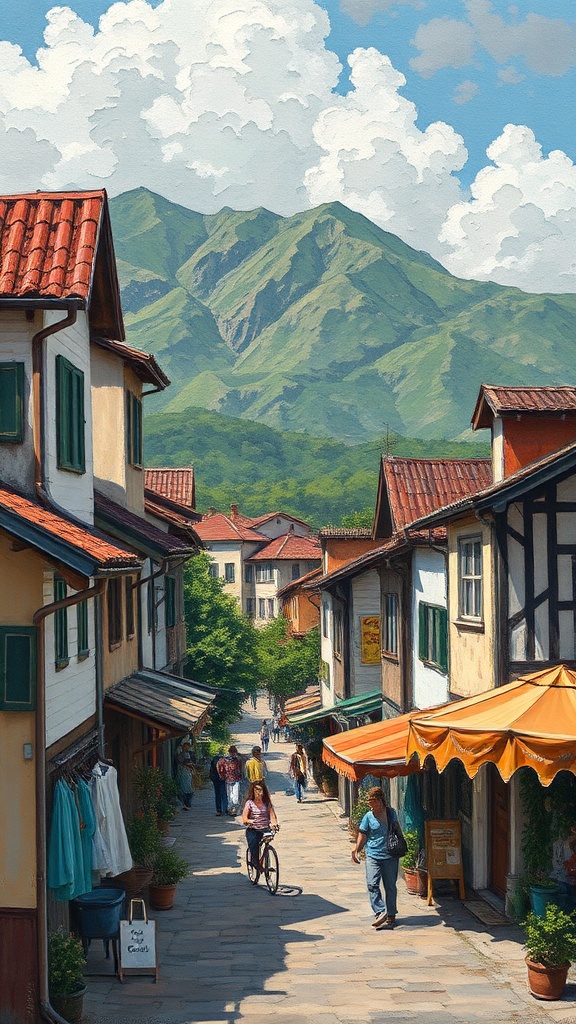
Common practices include:
– Repair and upcycling workshops that extend garment life
– Material swaps that circulate leftover fabric and trims
– Collaborative production runs to minimize overstock
– Transparent sourcing conversations between makers and customers
Monetization and growth without losing character
Balancing growth with authenticity requires intention. Micro-labels can scale thoughtfully by:
– Testing limited runs through pre-orders to avoid waste
– Partnering with local retailers for consignment arrangements
– Hosting paid workshops and experience-based events
– Leveraging community-driven crowdfunding for new collections
Events that catalyze momentum
Pop-up shops, runway shows in unexpected venues, and collaborative capsule collections create buzz while strengthening ties among creators. Community-focused festivals and market days are also effective ways to introduce newcomers to local talent and keep momentum across seasons.
Measuring impact
Impact isn’t only financial. Trackable indicators include attendee growth at events, repeat customers, the number of collaborative projects, and reductions in returned or wasted stock. Anecdotal evidence—customer stories, press features, and social engagement—often reflects community health just as clearly.
Next steps for getting involved
Start small: attend a meetup, swap a few pieces with neighbors, or follow local designers online.
If building a community, prioritize inclusive outreach, create recurring touchpoints, and mix digital promotion with tactile, real-world experiences. The most resilient local fashion scenes are those that trade hype for relationships, and transactions for trust, ensuring style stays connected to place and people.