How Local Fashion Communities Build Sustainable Style and Support Small Businesses
Local fashion communities are reshaping how people discover style, support small businesses, and reduce the environmental impact of their wardrobes. These grassroots networks—formed by designers, makers, boutique owners, stylists, alteration experts, and engaged customers—blend creativity with commerce to create vibrant, approachable alternatives to mass fashion.
What a local fashion community looks like
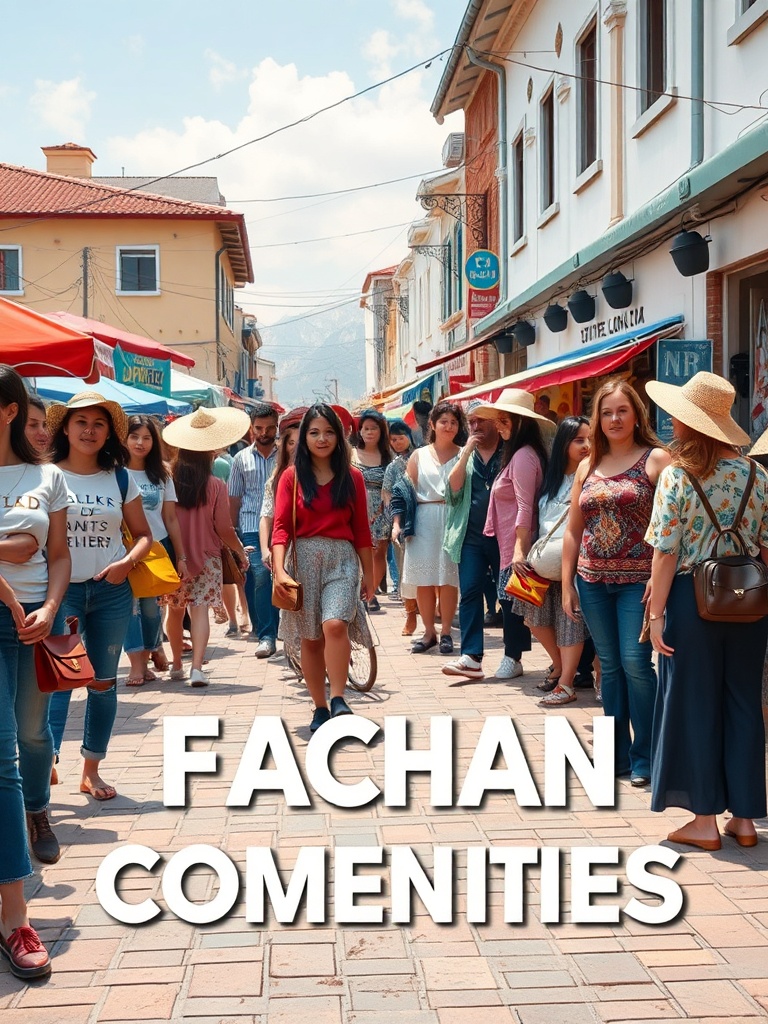
At its core, a local fashion community connects people who care about design, ethics, and the story behind each garment. It can take many forms: weekend maker markets, pop-up shops hosted in cafés, online groups promoting regional designers, repair and alteration meetups, or informal sewing circles. These communities thrive on collaboration, shared skills, and the kind of direct feedback that helps emerging designers refine work quickly.
Benefits of joining and supporting local fashion
– Unique style: Local designers often experiment with materials and techniques that aren’t found in mainstream stores, helping members build distinctive wardrobes.
– Sustainability: Shorter supply chains, made-to-order pieces, and a culture of repair and reuse cut down on waste and overproduction.
– Economic impact: Money spent within the community circulates locally, supporting artisans, tailors, and small retail spaces.
– Community resilience: Shared resources—studio space, tools, marketing know-how—make it easier for creatives to launch and sustain businesses.
– Skill sharing: Workshops on pattern making, dyeing, or mending empower consumers to extend garment life and adopt mindful shopping habits.
How to find and get involved
– Attend local markets and pop-ups to meet designers face-to-face and learn about their processes.
– Join neighborhood social channels, local hashtags on social platforms, or community calendars to spot events and collaborations.
– Swap or repair: Participate in clothing swaps and repair cafés to refresh your closet without buying new.
– Support tailors and small boutiques: Investing in alterations or made-to-measure pieces supports craftscraft and keeps garments wearable longer.
– Volunteer or partner: Offer photography, event help, or venue space in exchange for access to the network and exposure.
How to start or grow a local fashion community
– Host a simple event: A pop-up or swap is low-cost and draws curious locals.
– Partner across sectors: Collaborate with cafés, galleries, and makerspaces to reach broader audiences.
– Create a centralized directory: A shared online list of designers, alteration services, and upcoming events helps new members plug in quickly.
– Offer workshops: Skill-building sessions create loyalty and position the community as a resource.
– Use consistent branding and a local hashtag: A recognizable visual and searchable tag make your movement easy to find and follow.
Measuring impact
Track attendance at events, social engagement, and sales or commissions generated through community channels. Qualitative feedback—stories from customers and makers about collaborations or saved garments—often reveals the deepest value.
Whether you’re a style enthusiast, an emerging designer, or a small-business owner, local fashion communities offer a practical path to more thoughtful consumption, creative collaboration, and local economic resilience. Start by visiting a market, joining a meetup, or organizing a single swap—small actions build momentum and help shape a sustainable, stylish local scene.