How Local Fashion Communities Build Sustainable Wardrobes and Support Makers
Local fashion communities are reshaping how people discover style, support makers, and create more sustainable wardrobes. Grounded in neighborhood energy and creative collaboration, these communities bring together designers, makers, stylists, shoppers, and advocates who prioritize connection over mass trends.
Why local fashion communities matter
– They amplify underrepresented designers who don’t fit mainstream retail molds.
– They reduce environmental impact by promoting slow fashion, repairs, swaps, and upcycling.
– They strengthen local economies through pop-up shops, markets, and collaborations with small businesses.
– They foster education—workshops on pattern making, textile care, mending, and ethical sourcing build lasting skills.
How communities form and thrive
Local fashion communities often begin with a shared need: a storefront vacancy turned into a pop-up, a neighborhood co-op launched by makers, or a social group organizing regular meetups. Digital platforms—local Facebook groups, community forums, and neighborhood apps—help coordinate events and promote creators, while physical touchpoints like studios, craft spaces, and markets create the tangible experiences that build trust.
Activities that build momentum
– Pop-up markets and trunk shows: Short-term retail events let designers test products, gather feedback, and build direct relationships with customers.
– Clothing swaps and repair cafes: Encouraging circular consumption, these events extend garment life and reduce waste.
– Workshops and skill shares: Sewing, dyeing, pattern alteration, and business skills empower participants to create and scale sustainably.
– Collaborative collections: Local brands partnering on limited runs bring attention to a neighborhood’s aesthetic and support shared marketing efforts.
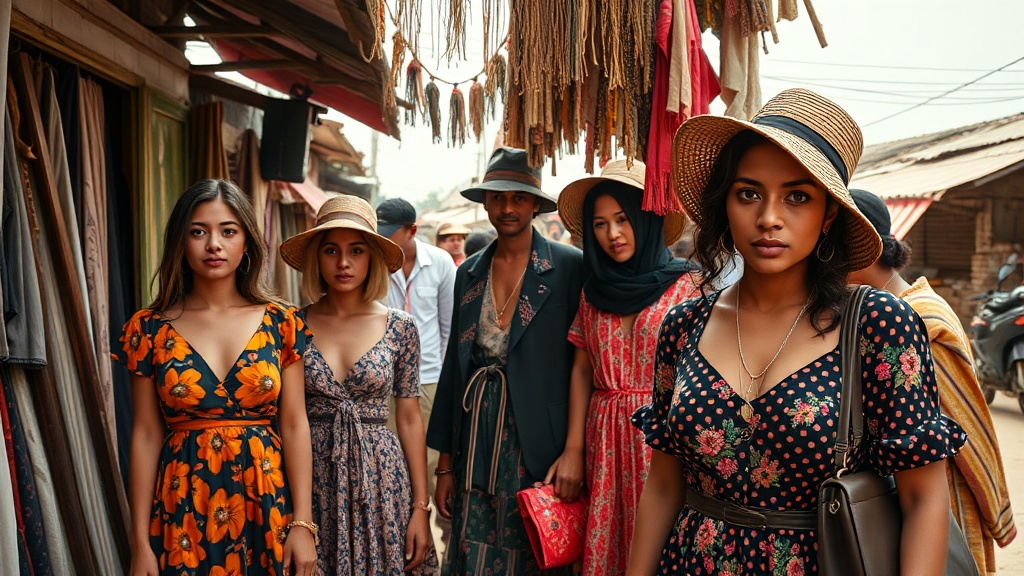
– Lookbook walks and styling meetups: Community-driven styling events generate organic content and deepen local street-style culture.
How to get involved
– Attend an event: Start by going to a market, swap, or workshop to meet makers and learn what the community values.
– Support small retailers: Buy from local designers and repair services rather than fast-fashion outlets.
– Volunteer or host: Offer space for a pop-up, donate skills for workshops, or help with event promotion.
– Share and tag: Use social platforms to amplify local designers, tagging neighborhood hashtags and accounts so creators gain visibility.
Sustainable, community-driven business tips
– Keep product runs small and made-to-order to reduce overproduction.
– Offer repair and alteration services as a standard part of product offerings.
– Use local materials where possible to shorten supply chains and tell a compelling story.
– Build loyalty programs that reward sustainable behavior (repairs, returns, swapping).
– Partner with other local businesses—cafés, galleries, and florists—to cross-promote events and share customer bases.
Measuring impact beyond sales
Community value often shows up outside immediate revenue. Look for increased foot traffic to neighborhood spots, higher attendance at workshops, higher social engagement, and a stronger referral network. Track repair and swap participation to quantify waste reduction and use customer stories to highlight social and cultural benefits.
Local fashion communities are about more than clothing—they’re a platform for creativity, economic resilience, and environmental responsibility. Whether joining as a shopper, maker, or organizer, contributing to this ecosystem helps shape a more intentional, connected way to experience fashion. Start by finding one neighborhood event or designer and participate—small actions add up into a thriving local style culture.