How Local Fashion Communities Drive Creativity, Sustainability, and Small-Business Growth
How Local Fashion Communities Drive Creativity, Sustainability, and Business Growth
Local fashion communities are powerful engines for creativity, sustainability, and small-business growth. Whether centered around a neighborhood market, a co-working maker space, or an online neighborhood group, these communities amplify voices, reduce waste, and create economic opportunity that mainstream channels often miss.
Why local fashion communities matter
– They cultivate authenticity. Designers and makers connect directly with neighbors and customers, allowing feedback loops that refine products faster than distant wholesale channels.
– They support circular fashion. Clothing swaps, repair cafés, and resale events extend garment life and reduce textile waste, aligning style with sustainability.
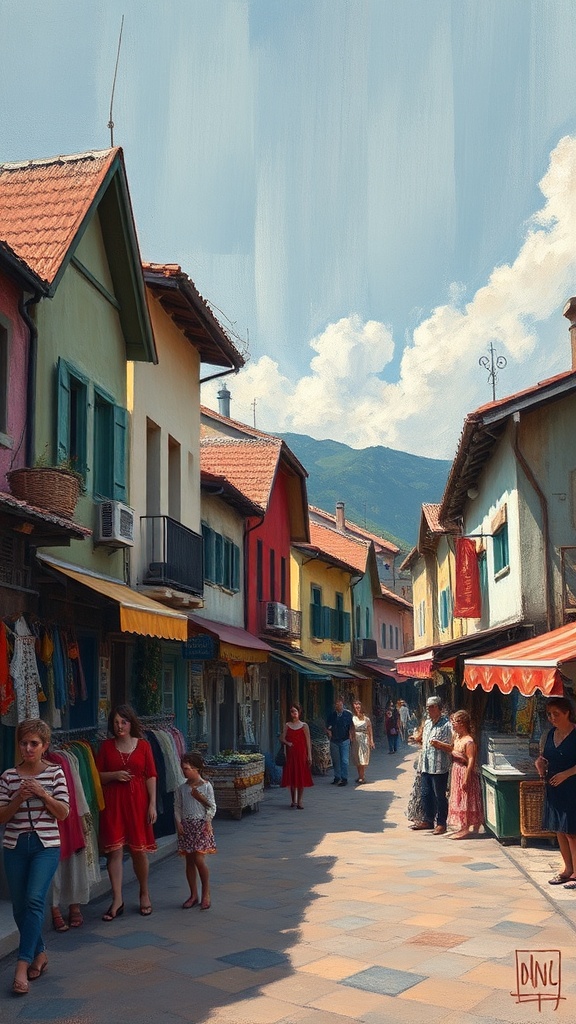
– They boost local economies. Pop-up shops, market stalls, and collaborative storefronts keep revenue within the community and help independent brands scale without heavy overhead.
Where fashion communities form
Neighborhoods, community centers, maker spaces, and farmers’ markets are natural hubs. Digital platforms also play a role: localized Instagram hashtags, neighborhood-focused Facebook groups, Discord channels for makers, and WhatsApp or Telegram groups for event coordination. These hybrid ecosystems mix in-person energy with the discoverability of social platforms.
How to get involved (for shoppers and aspiring makers)
– Attend meetups and market days to meet designers and try pieces in person.
– Join online community groups to stay informed about swaps, repair workshops, and pop-up announcements.
– Volunteer at events or offer a skill—photography, merchandising, or social media—to build relationships and gain visibility.
– Consider consigning or selling through local resellers and community marketplaces to test products without long-term commitments.
Tips for building a thriving local fashion community (for organizers)
– Start small and consistent: regular monthly meetups or a quarterly market create anticipation and steady foot traffic.
– Prioritize accessibility: choose venues that are affordable, ADA-friendly, and transit-accessible to widen participation.
– Curate for diversity: include emerging designers, altered vintage, sustainable brands, and mending services to attract varied audiences.
– Facilitate exchange: set up clothing swaps, repair stations, and skill-share workshops that encourage participation beyond shopping.
– Partner with local businesses: cafés, libraries, and galleries can provide low-cost venues, cross-promotion, and community credibility.
– Promote a code of conduct that encourages inclusivity and respectful collaboration to keep the space welcoming.
Digital tools that help
Use local hashtags and geotags on social channels to increase discoverability. A simple email newsletter or a public calendar keeps members informed. Community-first platforms like Discord or Slack allow organizers to run dedicated channels for buying/selling, event planning, and skill swaps. For logistics, collaborative spreadsheets and inexpensive ticketing platforms streamline vendor coordination.
Measuring impact
Track metrics that matter beyond sales: event attendance, number of items repaired or swapped, social engagement from targeted neighborhoods, and vendor retention rates. Stories and testimonials often provide qualitative proof of cultural impact, which can help secure grants or sponsorships.
Local fashion communities are more than markets—they’re incubators for style, sustainability, and social connection. Whether you’re a maker looking to test a collection or a shopper wanting meaningful engagement with the clothes you wear, getting involved locally creates benefits that ripple across neighborhoods and wardrobes. Start by finding one event or group this month and see how small gatherings can inspire big change.