How Omnichannel Fashion Retail Converts Browsers into Loyal, Repeat Customers
Customers expect the fashion retail experience to feel effortless, personal, and memorable.
Brands that bridge physical and digital touchpoints, use data thoughtfully, and craft sensory-rich environments win loyalty and higher lifetime value.
Here’s how to design a modern retail experience that converts browsers into repeat customers.
Omnichannel continuity
Seamless transitions between online and in-store channels remove friction. Allow customers to check in-store inventory, reserve items for try-on, buy online and pick up in-store, or start a return via a mobile app.
Unifying inventory and customer profiles across channels enables consistent pricing, promotions, and service — reducing missed sales and frustrating surprises at checkout.
Personalization without being intrusive
Personalization is now table stakes, but it must feel helpful rather than invasive. Use purchase history, browsing behavior, and stated preferences to suggest sizes, complementary pieces, and styling guides.
Personalized offers delivered at the right moment — like a timed discount on an abandoned cart or a first-look invite to a new collection — increase engagement. Keep data use transparent and provide easy opt-outs to build trust.
In-store technology that enhances, not replaces, human touch
Technology should amplify staff skills and make shopping smoother. Popular tools include:
– Mobile POS to reduce queue times and enable checkout anywhere in the store
– Smart mirrors that show alternate sizes and colorways without leaving the dressing room
– Virtual try-on options for hesitant shoppers or hard-to-fit categories
– Contactless payment and digital receipts for faster service and cleaner operations
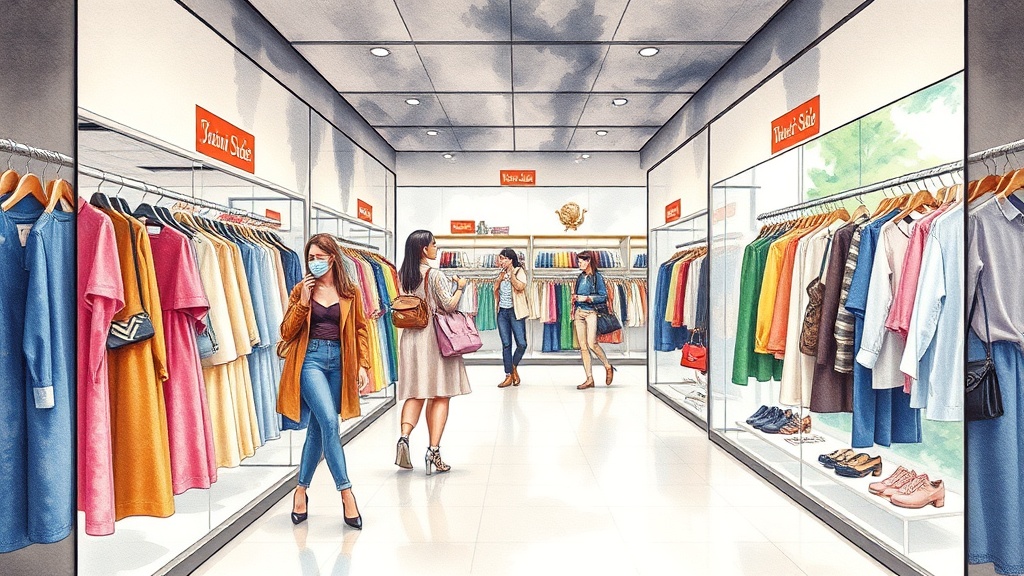
Ensure tech integrates with staff workflows so team members can focus on styling and relationship-building rather than troubleshooting devices.
Experiential retail as a brand stage
Stores are increasingly places to express brand values and tell stories. Curate immersive experiences—limited-time installations, styling bars, live tailoring, and community events—that create emotional connections. Use lighting, scent, and music strategically to support the desired mood and highlight key product stories. Rotate displays frequently to reward repeat visitors and encourage social sharing.
Sustainability and circular commerce
Eco-conscious practices influence purchase decisions across demographics. Offer transparent sourcing information on tags and online, promote repair and alteration services, and create clear pathways for resale or recycling. Rental and resale options extend product life and attract shoppers who prioritize sustainability without sacrificing style.
Operational excellence and returns management
Operational reliability underpins great experiences. Accurate inventory, clear return policies, and fast fulfillment are essential. Simplify returns with prepaid labels, in-store drop-offs, or instant refunds at pickup. Reducing return friction increases repeat purchases and reduces customer support costs.
Metrics to track
Measure what matters to improve the experience:
– Conversion rate by channel
– Average order value and repeat purchase rate
– Dwell time and try-on rate in stores
– Net Promoter Score and customer satisfaction after interactions
– Return rate and reasons for return
Train and empower store teams
Invest in training that balances product knowledge, soft skills, and tech fluency. Empower employees to make on-the-spot service decisions and personalize interactions. Incentives tied to customer satisfaction and retention often perform better than pure sales quotas.
Quick checklist for immediate impact
– Sync inventory and customer profiles across channels
– Pilot one in-store technology that speeds service or enhances fitting
– Introduce a clear sustainability message and a circular option
– Simplify returns with multiple easy channels
– Train staff on both product and digital tools
Small, focused experiments with clear metrics drive the biggest improvements. Start with one friction point, measure the outcome, and scale what works to build a fashion retail experience that customers choose and remember.